
 Plan Your Trip
Essential Gear for Trekking in Nepal: The Complete Packing Guide
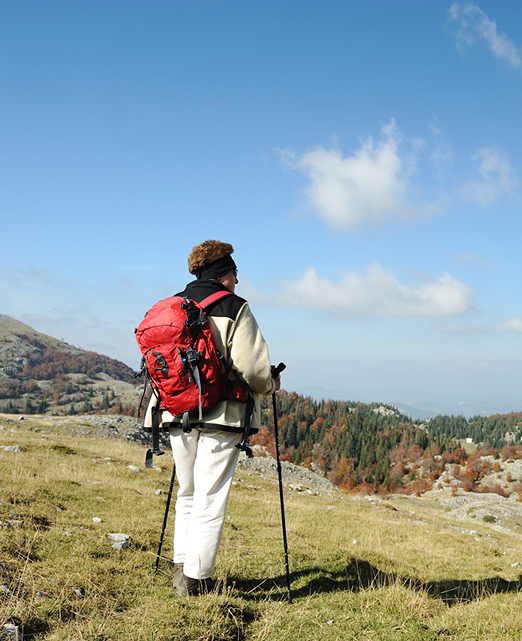
Trekking in Nepal is an unforgettable experience that takes travelers through some of the world’s most breathtaking mountain landscapes. Whether you’re planning the Everest Base Camp Trek, Annapurna Circuit, Langtang Valley Trek, or a short hiking adventure, having the right gear is essential for comfort, safety, and success.
Nepal’s trekking routes pass through diverse climates and elevations, meaning weather conditions can change dramatically within a single day. Proper preparation ensures you stay comfortable and can fully enjoy the journey.
Why Proper Trekking Gear Matters
Many first-time trekkers underestimate the importance of quality trekking equipment. The right gear helps:
- Prevent injuries
- Protect against harsh weather
- Improve trekking performance
- Reduce fatigue
- Enhance overall comfort
- Ensure safety at higher altitudes
Investing in good equipment can make the difference between a memorable adventure and a difficult experience.
1. Trekking Backpack
Your backpack is one of the most important pieces of equipment you’ll carry.
What to Look For:
- 40–60 liter capacity
- Adjustable shoulder straps
- Waist support belt
- Waterproof cover
- Lightweight construction
A properly fitted backpack distributes weight evenly and reduces strain during long trekking days.
2. High-Quality Trekking Boots
Your feet will cover many kilometers every day, making quality footwear essential.
Features to Consider:
- Waterproof material
- Strong ankle support
- Durable sole with excellent grip
- Comfortable cushioning
Always break in your boots before the trek to avoid painful blisters.
3. Moisture-Wicking Base Layers
Base layers help regulate body temperature and keep sweat away from your skin.
Recommended Materials:
- Merino wool
- Synthetic fabrics
Avoid cotton, as it retains moisture and can lead to discomfort in cold conditions.
4. Insulated Down Jacket
Temperatures can drop below freezing at higher elevations.
A quality down jacket provides:
- Lightweight warmth
- Easy packing
- Excellent insulation
This item becomes particularly important during Everest and Annapurna region treks.
5. Waterproof Outer Shell
Mountain weather is unpredictable.
Your waterproof jacket should:
- Protect against rain and snow
- Be breathable
- Include adjustable hoods and cuffs
Waterproof pants are equally important during monsoon and shoulder seasons.
6. Thermal Clothing
Thermal tops and bottoms provide extra insulation during cold mornings and nights.
They’re especially useful above 3,500 meters where temperatures drop significantly.
7. Trekking Poles
Many experienced trekkers consider poles essential equipment.
Benefits:
- Reduce knee strain
- Improve balance
- Increase stability on steep terrain
- Assist during river crossings
They are particularly useful during descents.
8. Sleeping Bag
Tea houses provide accommodation, but temperatures can become very cold.
Recommended Rating:
- -10°C to -20°C for high-altitude treks
A quality sleeping bag ensures restful sleep and proper recovery.
9. Headlamp
A headlamp is invaluable for:
- Early morning starts
- Nighttime bathroom visits
- Power outages
- Emergency situations
Carry extra batteries for longer treks.
10. Water Bottles and Hydration System
Proper hydration helps prevent altitude-related problems.
Carry:
- Reusable water bottles
- Insulated bottles for cold conditions
- Water purification tablets or filters
11. First Aid Kit
A basic trekking first aid kit should include:
- Bandages
- Pain relievers
- Blister treatment
- Antiseptic cream
- Personal medications
- Altitude sickness medication (if recommended)
12. Sunglasses
UV radiation increases significantly at higher elevations.
Choose sunglasses with:
- UV400 protection
- Polarized lenses
- Comfortable fit
Snow glare can damage eyes if proper protection isn’t used.
13. Sunscreen and Lip Balm
Even during cold weather, strong mountain sunlight can cause severe sunburn.
Recommended:
- SPF 50+ sunscreen
- UV-protected lip balm
Apply regularly throughout the day.
14. Gloves and Warm Hat
Body heat is lost quickly through the head and hands.
Pack:
- Insulated gloves
- Wool or fleece hat
- Neck gaiter or buff
These items become essential at higher altitudes.
15. Energy Snacks
Long trekking days require sustained energy.
Popular options include:
- Energy bars
- Nuts
- Dried fruits
- Chocolate
- Electrolyte supplements
16. Power Bank and Charging Equipment
Electricity may be limited or expensive in remote mountain regions.
Carry:
- High-capacity power bank
- Charging cables
- Universal adapter
17. Trekking Socks
Good socks are just as important as good boots.
Choose:
- Merino wool socks
- Moisture-wicking materials
- Multiple pairs
Quality socks help prevent blisters and improve comfort.
18. Personal Toiletries
Pack travel-sized essentials:
- Toothbrush and toothpaste
- Wet wipes
- Hand sanitizer
- Quick-dry towel
- Toilet paper
19. Trekking Permits and Documents
Always carry:
- Passport copy
- Travel insurance
- Trekking permits
- Emergency contact details
Store digital copies on your phone as backup.
Final Packing Tips
Before starting your trek:
- Test all equipment beforehand.
- Keep your backpack lightweight.
- Layer clothing for changing temperatures.
- Waterproof important items.
- Pack only necessary essentials.
Conclusion
Trekking in Nepal is one of the world’s greatest adventure experiences, but success depends heavily on preparation. With the right gear, you’ll be ready to tackle mountain trails, changing weather conditions, and high-altitude environments with confidence.
Whether you’re trekking to Everest Base Camp, Annapurna Base Camp, Langtang Valley, or Upper Mustang, proper equipment will help you stay safe, comfortable, and focused on enjoying Nepal’s extraordinary Himalayan landscapes.
Your Next Adventure Starts Here
Start your journey with trusted local experts and discover the beauty, culture, and adventure waiting in the Himalayas and beyond.
Explore More