 Plan Your Trip
Annapurna Semi Circuit Trek — 15 Days
Trip Overview

Trek Region
Annapurna

Difficulty Level
Moderate

City Accommodation
3 Nights at 3-Star Hotel

Trek Starts at
Nayapul (1,070 m)

Transport
Drive & Flight
Mountain Accommodation
10 Nights Teahouse

Trek Ends at
Jomsom (2,720 m)

Total Trip Duration
15 Days

Max Elevation
4,130 m

Trekking Duration
10 Days on Trail

Meals
B/L/D (Mountain only)
Trip Highlights
- Walk through the legendary Kali Gandaki Gorge, the deepest river gorge on earth, with Dhaulagiri and Annapurna towering on either side
- Witness the iconic sunrise from Poon Hill (3,210 m) over a panorama of some of the highest mountains in the world
- Explore the sacred Muktinath Temple at 3,800 m, a revered pilgrimage destination for both Hindus and Buddhists
- Trek through the ancient Thakali trading villages of Marpha and Tukuche, famous for apple orchards and warm hospitality
- Experience the dramatic landscape shift from lush green subtropical forests to the high-altitude desert plateau of Mustang
- Walk alongside the mighty Kali Gandaki River through one of the most awe-inspiring valley corridors in the Himalayas
- Spend time in the medieval walled village of Kagbeni, the mysterious gateway to the forbidden kingdom of Upper Mustang
- Fly out of Jomsom on a breathtaking short mountain flight back to Pokhara with aerial views of the Annapurna range
- Experience the rich cultural tapestry of Gurung, Magar, and Thakali communities along the trail
- Enjoy a guided sightseeing tour of both Kathmandu and Pokhara, covering UNESCO World Heritage Sites
Trip Summary
The Annapurna Semi Circuit Trek is one of Nepal’s most rewarding and complete trekking experiences. It takes the best parts of the classic Annapurna Circuit, the deep gorges, the high-altitude villages, the cultural richness, the spectacular mountain views and packages them into a 15-day journey that is achievable for trekkers with a moderate level of fitness and a genuine desire to see Nepal at its most diverse.
The word “semi” simply means you are covering the southern and northern sections of the Annapurna Circuit without crossing the full Thorong La Pass (5,416 m). Instead, you enter from the south via the famous Ghorepani Poonhill trail and exit from the north through the Mustang valley, flying out of Jomsom. This approach gives you the best of both worlds the lush forested beauty of the southern Annapurna foothills and the stark, windswept drama of the northern Mustang landscape without the extreme altitude challenge of the full circuit crossing.
Your journey begins in Kathmandu, where a day of guided sightseeing introduces you to the incredible depth of Nepalese history and culture. From Pokhara, you drive to Nayapul and begin the climb through some of the most beautiful forest trails in Asia. The early days take you through rhododendron forests to Ghorepani, up to the legendary Poon Hill sunrise viewpoint, and then down into the warm, low-lying village of Tatopani with its famous natural hot springs.
From Tatopani, the route heads north into the Kali Gandaki Valley, and everything starts to change. The air gets drier, the cliffs get taller, the wind picks up, and the villages take on a completely different character. You pass through the Thakali heartland of Tukuche and Marpha, spend time in the windswept regional hub of Jomsom, and make the pilgrimage up to holy Muktinath before descending back for your mountain flight out.
This is a trek that genuinely shows you many different faces of Nepal in a single journey. Few routes in the entire Himalayan region offer this kind of cultural, geographical, ecological, and spiritual experience within a two-week window. Whether you are a first-time trekker stepping up from an introductory route or an experienced hiker looking for something that goes deeper than the standard itineraries, the Annapurna Semi Circuit delivers.
When To Visit
Spring (March–May) and autumn (October–November) are without question the best seasons for the Annapurna Semi Circuit Trek. Spring transforms the lower trail sections into something extraordinary the rhododendron forests between Tikhedhunga and Ghorepani erupt in full bloom, painting the hillsides in deep red, pink, and white. The temperatures are comfortable at altitude, the skies are mostly clear, and the entire trail feels alive with colour and energy.
Autumn is the single most popular season for trekking in Nepal, and for good reason. The monsoon rains end in late September and leave the air scrubbed clean, the visibility sharp, and the mountain views as clear as they ever get. October and November bring cool, stable days that are perfect for long hours of walking. The trails are busier in autumn than at any other time of year, but the teahouses are well-prepared and the extra company on the trail adds to the atmosphere.
One thing to keep in mind for this particular route is the Kali Gandaki Valley winds. Regardless of season, strong afternoon winds are a daily feature of the trail north of Tatopani. They typically arrive between 11 AM and noon and can make walking uncomfortable if you are caught out in the open. Your guide will manage the daily schedule to ensure you are in your teahouse before the wind arrives, so this is more of a rhythm to learn than a real obstacle.
Winter (December–February) is cold but manageable, particularly in the Mustang section which sits in a rain shadow and sees less snow than the southern slopes. The trail from Tikhedhunga to Ghorepani can have some snowfall in January and February. The monsoon months (June–August) are least recommended for the lower sections, though the Mustang area stays relatively dry and some trekkers enjoy the lush green transformation of the landscape in the south.
Itinerary
Our team member will be at Tribhuvan International Airport to welcome you the moment you arrive. After a comfortable transfer to your hotel in Thamel, you will have a full welcome briefing covering the itinerary, permits, gear checks, and any questions you might have about the days ahead. The evening is free to explore Thamel, pick up any last-minute supplies from the many trekking shops, or simply rest up after your journey.
A full day of guided sightseeing introduces you to some of Nepal’s most iconic cultural landmarks. You will visit Pashupatinath Temple on the banks of the Bagmati River, the enormous Boudhanath Stupa surrounded by Tibetan Buddhist monasteries, the hilltop Swayambhunath complex with its panoramic views over the Kathmandu Valley, and the medieval Kathmandu Durbar Square. Each site adds a layer to your understanding of Nepal’s extraordinary cultural and religious heritage. In the evening, the team gathers for a group dinner and final pre-trek briefing.
After breakfast, you travel to Pokhara by a 30-minute mountain flight or a scenic 6–7 hour drive along the Prithvi Highway. Pokhara is Nepal’s adventure capital a beautiful lakeside city with the Annapurna range as its permanent backdrop. You check into your hotel by Phewa Lake and have the afternoon free to explore the Lakeside district, browse the local shops, and enjoy the incredible mountain reflections on the water as the sun sets
An early morning drive from Pokhara takes you to Nayapul, the official starting point of your trek. The trail begins gently, following the Modi Khola river through warm, flat terrain past small farming settlements. Birethanti, a lovely village at the meeting point of two rivers, is one of the first highlights. From there the trail gradually climbs toward Tikhedhunga, where you settle into your first teahouse and enjoy your first proper mountain dinner on the trail.
Today brings the most physically challenging stretch of the southern section of the trek. From Tikhedhunga, the famous stone staircase climbs relentlessly to Ulleri around 3,000 carved stone steps that test your legs thoroughly but reward you with sweeping views back down the valley. Beyond Ulleri, the trail enters the magnificent rhododendron and oak forests that make this part of the Annapurna trail so special. In spring the entire forest is in full bloom. You pass through Banthanti and Nangethanti before arriving at the large, lively mountain village of Ghorepani.
You leave your teahouse at around 4:30 AM for the 45-minute climb up to Poon Hill in the dark. At the viewpoint, you join trekkers from around the world waiting for the same extraordinary moment the sunrise over Dhaulagiri, Annapurna I, Annapurna South, Hiunchuli, and Machhapuchhre. It is one of those views that stays with you long after the trek is over. After breakfast back in Ghorepani, the trail descends steeply and at length down to Tatopani, a warm lowland village famous for its natural hot spring baths. An evening soak in the springs is the perfect way to end a very big day.
Leaving Tatopani, the trail enters the Kali Gandaki Valley and begins its long journey north. This is where the character of the trek starts to shift significantly. The lush green vegetation of the south begins to thin, the valley walls grow dramatically taller, and the landscape takes on a more rugged, rocky quality. You pass through the village of Dana, cross several suspension bridges over the rushing Kali Gandaki River, and climb to Ghasa a quiet, pleasant village that marks the real beginning of the high-altitude Mustang landscape.
The trail continues deeper into the Kali Gandaki Gorge, and the scenery becomes increasingly dramatic. Dhaulagiri (8,167 m) dominates the western skyline while the Nilgiri massif rises steeply ahead. You pass through Lete and Kokhethanti before arriving in Tukuche, one of the most historically significant Thakali trading villages in Mustang. Tukuche was once a major stop on the ancient salt trading route between Tibet and the Indian plains, and the traditional stone architecture and old trading houses still tell that story clearly.
A short, comfortable morning walk brings you into Marpha, one of the most beloved villages on the entire Annapurna trail. Marpha is famous across Nepal for its apple orchards and the extraordinary range of apple products that fill every teahouse menu: apple pie, apple juice, apple brandy, apple jam, and apple cider. The village itself is a delight to walk through, with narrow whitewashed cobblestone lanes, flat interconnected rooftops, and a centuries-old monastery perched above the valley. Give yourself time to wander and soak it all in.
The walk from Marpha to Jomsom is short and comfortable, following the wide, flat Kali Gandaki riverbed north through an increasingly arid and windswept landscape. The famous valley winds are at their strongest in this section, so you aim to reach Jomsom well before noon. Jomsom is the regional headquarters of Mustang a proper small town with an airport, government offices, banks, and a solid selection of teahouses and lodges. It is your base for the next two nights and the launching point for the trek up to Muktinath.
Today is the spiritual and scenic highlight of the entire trek. You leave Jomsom early and head north through Eklebhatti to Kagbeni, the extraordinary medieval walled village that guards the entrance to Upper Mustang. Kagbeni feels genuinely ancient, with narrow alleyways, fortress-like walls, old monasteries painted in deep red, and a sense that the modern world stopped at the village gate. From Kagbeni, the trail climbs steadily and steeply up to Muktinath at 3,800 metres. The sacred temple complex, the eternal flame burning from the earth, and the 108 stone waterspouts make this one of the most moving and memorable places on any trek in Nepal.
Depending on how the group is feeling and the altitude acclimatization, you either spend a rest morning at Muktinath to explore the temple complex more fully and acclimatize at altitude, or begin the descent back toward Jomsom. The walk down gives you a completely different perspective on the landscape, and stopping again in Kagbeni for lunch and a deeper exploration of the old town is something most trekkers are very glad they did. Back in Jomsom in the afternoon, you have time to visit the Mustang Eco Museum and prepare for the flight the next morning.
The early morning mountain flight from Jomsom to Pokhara is a 20-minute journey that packs in more visual drama than flights ten times as long. You fly low through the Himalayan valleys with the Annapurna and Dhaulagiri ranges filling the windows on both sides. Back in Pokhara, you check into your lakeside hotel and enjoy a relaxed half-day sightseeing tour covering Davis Falls, Gupteshwor Cave, the Bindhyabasini Temple, the International Mountain Museum, and a peaceful boat ride on Phewa Lake.
A relaxed final morning in Pokhara before traveling back to Kathmandu by flight or drive. The afternoon in Kathmandu is free for last-minute shopping in Thamel, pashminas, thanka paintings, handmade jewelry, and trekking gear are all popular choices. In the evening, your guide joins the group for a farewell dinner at one of Kathmandu’s best restaurants, where you raise a glass to everything the last two weeks have given you.
Your Annapurna Semi Circuit Trek comes to a close this morning. After a final breakfast, our team transfers you to Tribhuvan International Airport with plenty of time for your departure. We always recommend scheduling your international flight for mid-morning or later to allow for a comfortable and unhurried start. You leave Nepal with a fuller understanding of what this country truly is its mountains, its people, its culture, and its extraordinary ability to stay with you long after you have gone home.
Trek Difficulty & Physical Demands
The Annapurna Semi Circuit Trek is rated Moderate to Challenging, sitting a clear step above beginner routes and requiring real physical preparation to enjoy fully. With 10 days on the trail, a maximum elevation of 4,130 m, and daily walking ranging from 2 to 7 hours, it asks more of you than introductory treks but rewards you with an experience that far exceeds anything simpler routes can offer.
The hardest stretch comes early, on Day 5, when you climb approximately 3,000 stone steps from Tikhedhunga to Ulleri. Your legs will know about it by the time you reach Ghorepani, and the long descent to Tatopani the following day puts real strain on the knees. After that, the trail through the Kali Gandaki Valley is comparatively gentler in terms of gradient, though the altitude builds steadily as you head north toward Muktinath.
At 3,800 m, Muktinath is the highest point where mild altitude symptoms such as headache, fatigue, and mild nausea become possible for some trekkers. The itinerary is paced to allow gradual acclimatization, and Day 12 includes a rest or buffer option at Muktinath for exactly this reason.
The other physical challenge unique to this route is the Kali Gandaki afternoon wind. It is not dangerous, but walking into a strong headwind in an exposed riverbed valley is tiring. Starting early each morning and reaching your teahouse before noon is the simple solution; your guide will manage this schedule from the first day in the valley.
How to prepare:
- Build up cardio fitness through regular walking, jogging, cycling, or swimming 6 to 8 weeks before the trek
- Practice both uphill and downhill walking — the descent from Ghorepani to Tatopani is long and knee-heavy
- Break in your trekking boots thoroughly before arriving in Nepal
- Strengthen your core and leg muscles — stairs are the best training for this route
- Talk to your doctor about Diamox (altitude sickness medication) before departure
Come prepared, and this trek will push you in the best possible way. Come underprepared, and the early days will be a struggle. The difference is entirely in your hands.
Best Time to Trek: Seasonal Comparison
The Annapurna Semi Circuit passes through two very different climate zones — the southern Annapurna foothills and the northern Mustang rain shadow — which means seasonal conditions vary significantly depending on which section of the trail you are on.
Spring (March to May) — Best for Forests and Colour
March and April are the most visually spectacular months for the southern section of this trek. The rhododendron forests between Tikhedhunga and Ghorepani are in full bloom, with hillsides covered in deep red, pink, and white flowers. Temperatures are warm and pleasant at lower elevations and cool but comfortable at altitude. By May, pre-monsoon clouds start building, but the trail is still very walkable and the Mustang section stays dry.
Autumn (October to November) — Best Overall for the Full Route
Post-monsoon air brings the clearest skies and sharpest mountain views of the year. The entire length of the trail is in excellent condition, temperatures are ideal for long walking days, and the cultural atmosphere in the teahouses is lively. October is considered the gold-standard month for Nepal trekking, and November is nearly as good with the bonus of slightly quieter trails.
Winter (December to February) — Cold but Rewarding
The Mustang section of this trek benefits from its rain shadow location and sees less snowfall than the southern Annapurna approaches. That said, nights at Ghorepani and Muktinath in January and February can be genuinely cold, and the Tikhedhunga to Ulleri section may have icy patches. If you enjoy solitude on the trail and do not mind extra layers, winter trekking here is a very different and quietly beautiful experience.
Monsoon (June to August) — Wet in the South, Drier in Mustang
The lower southern sections of this trek take the full force of the monsoon, with muddy paths and leeches from the foothills up to Ghorepani. However, the Mustang region beyond the main Himalayan range stays relatively sheltered and dry — making the northern half of this route one of the few trekking options that works reasonably well in summer. September sits at the tail end of the monsoon, with improving skies and trails that are still lush from the rain.
Booking Your Annapurna Semi Circuit Trek — 15 Days
Booking the Annapurna Semi Circuit Trek is straightforward and our team handles every detail from the moment you reach out.
How to book:
Get in touch via the enquiry form on our website or send us a message on WhatsApp. Once we confirm availability for your dates, we will send a booking form and payment instructions. A deposit secures your place and the balance is due before the trek begins.
After booking:
You will receive a full pre-departure pack covering the gear list, visa guidance, health recommendations, altitude awareness, and a day-by-day overview of what to expect on the trail. Our team is on hand to answer questions right up to your arrival in Kathmandu.
Permits:
Both the Annapurna Conservation Area Permit (ACAP) and the TIMS card are included and arranged by us before you leave Kathmandu. Bring four passport-sized photos for the permit process. If you plan to extend into Upper Mustang, let us know in advance, and we will arrange the Restricted Area Permit alongside everything else.
Travel insurance:
Travel and medical insurance that includes emergency evacuation cover is mandatory for this trek. We strongly recommend purchasing this before leaving your home country. Given the possibility of Jomsom flight cancellations due to weather, we also recommend building at least one buffer day into your international departure schedule.
Customisation:
Want to spend an extra day in Marpha, add a side trip from Kagbeni, extend into Upper Mustang, or combine this trek with another route in Nepal? We can build a custom itinerary and quote around exactly what you have in mind.
Cost Details
Cost Includes
- All airport transfers in Kathmandu and Pokhara
- 2 nights at a 3-star hotel in Kathmandu (BB)
- 1 night at a 3-star hotel in Pokhara before trek (BB)
- 1 night at a 3-star hotel in Pokhara after trek (BB)
- Kathmandu guided sightseeing with private vehicle
- Pokhara guided sightseeing with private vehicle
- Drive from Pokhara to Nayapul (trek start)
- Jomsom to Pokhara flight ticket
- All meals on the trail (breakfast, lunch, and dinner)
- Teahouse accommodation during the trek (10 nights)
- Licensed, experienced English-speaking trekking guide
- Porter service (1 porter per 2 trekkers)
- Annapurna Conservation Area Permit (ACAP)
- TIMS card (Trekkers’ Information Management System)
- First aid kit and emergency oxygen
- All government and local taxes
- Company service charge
Cost Excludes
- International airfare to and from Kathmandu
- Nepal visa fee (approx. USD 30–50 depending on duration)
- Travel and medical insurance (mandatory)
- Lunch and dinner in Kathmandu and Pokhara
- Personal trekking gear and equipment
- Hot showers, battery charging, and WiFi on the trail (small extra fee)
- Tips and gratuities for guide and porter
- Personal expenses (snacks, drinks, apple products in Marpha)
- Emergency evacuation or helicopter rescue costs
- Any costs from Jomsom flight delays or cancellations due to weather
- Upper Mustang Restricted Area Permit (if extending beyond Kagbeni)
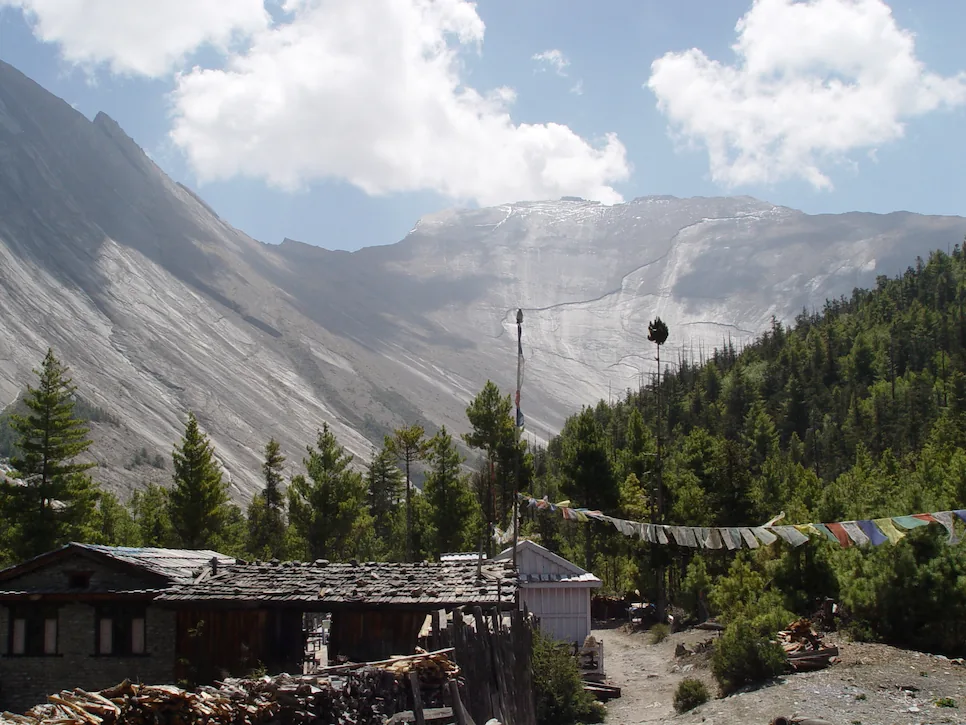
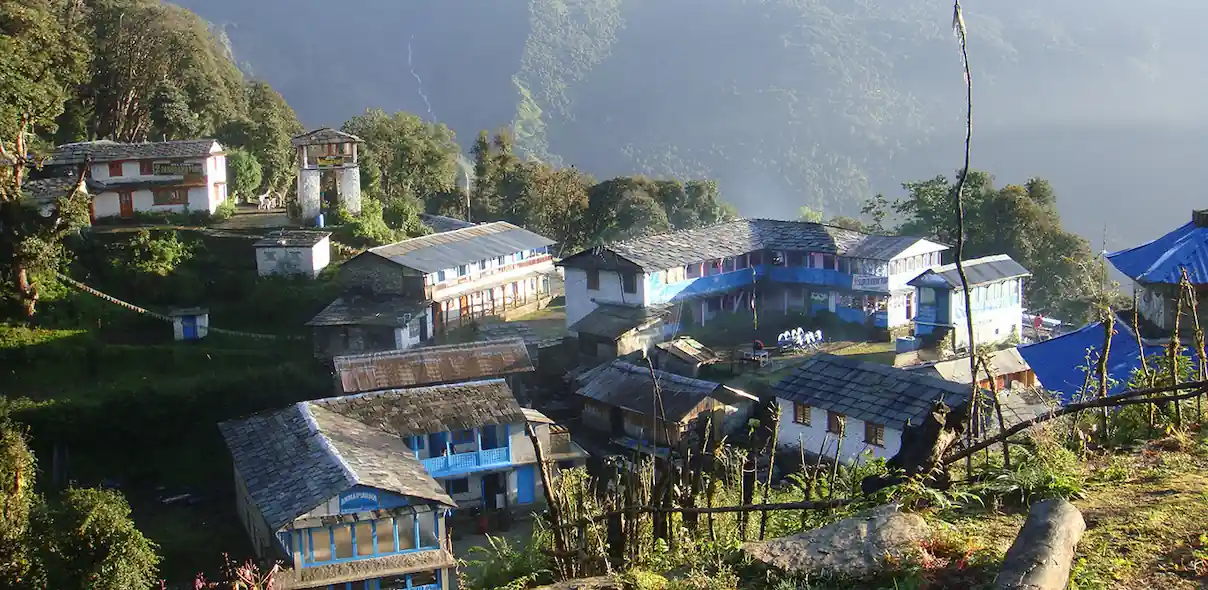
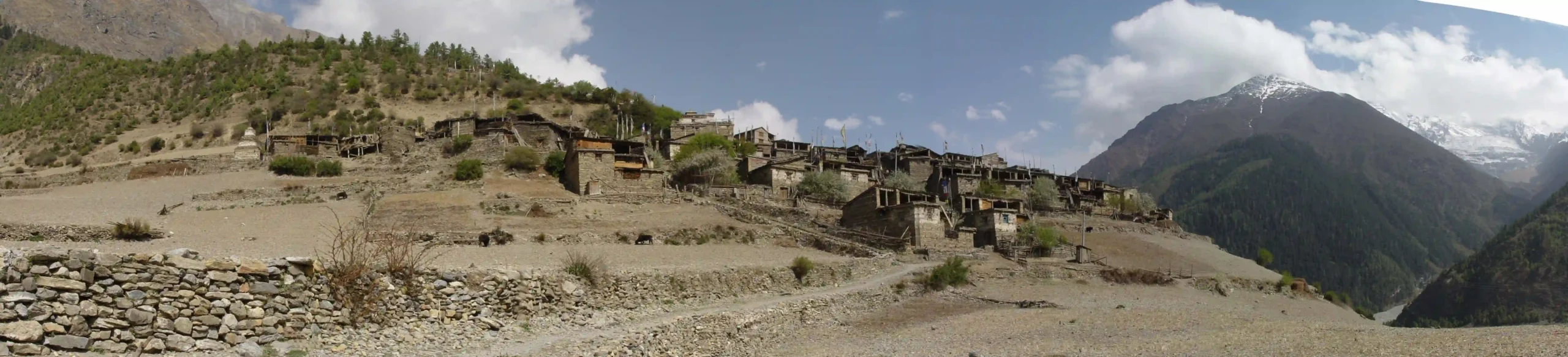
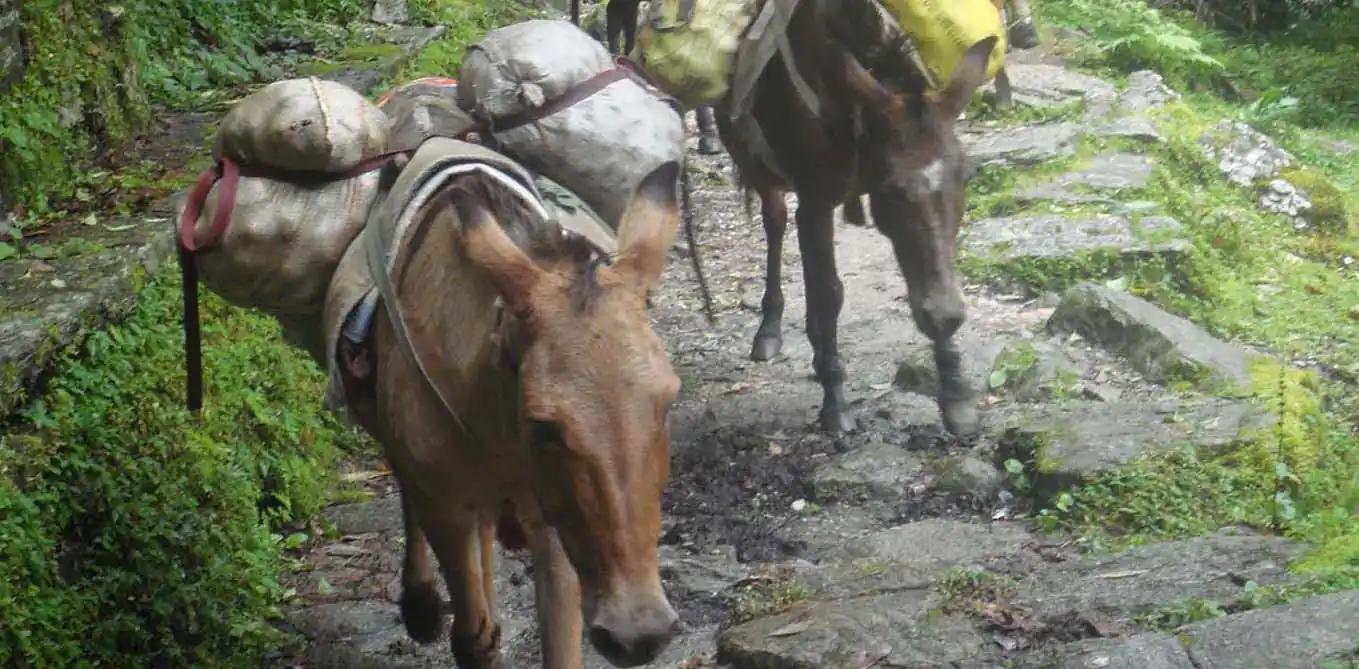
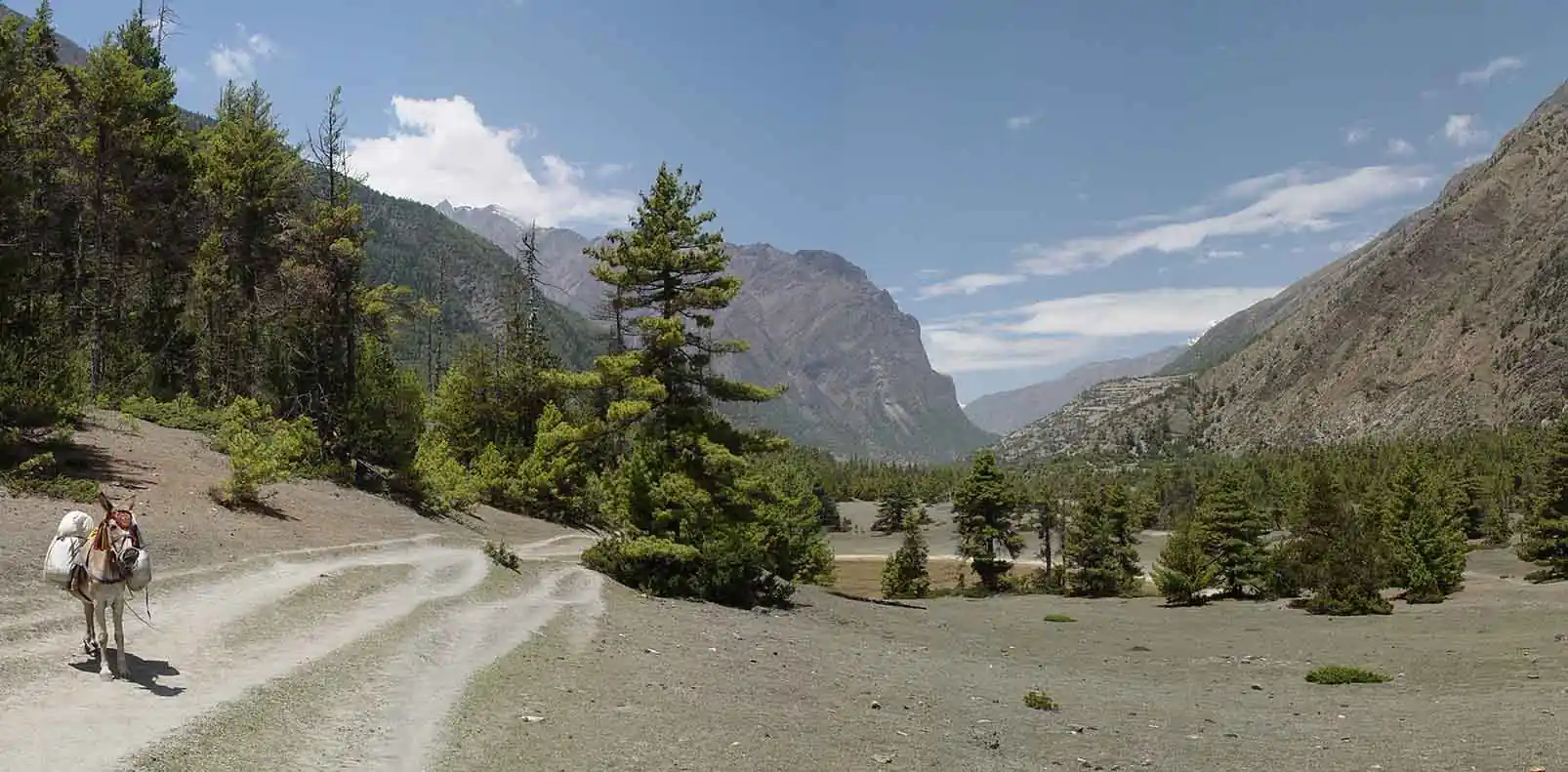
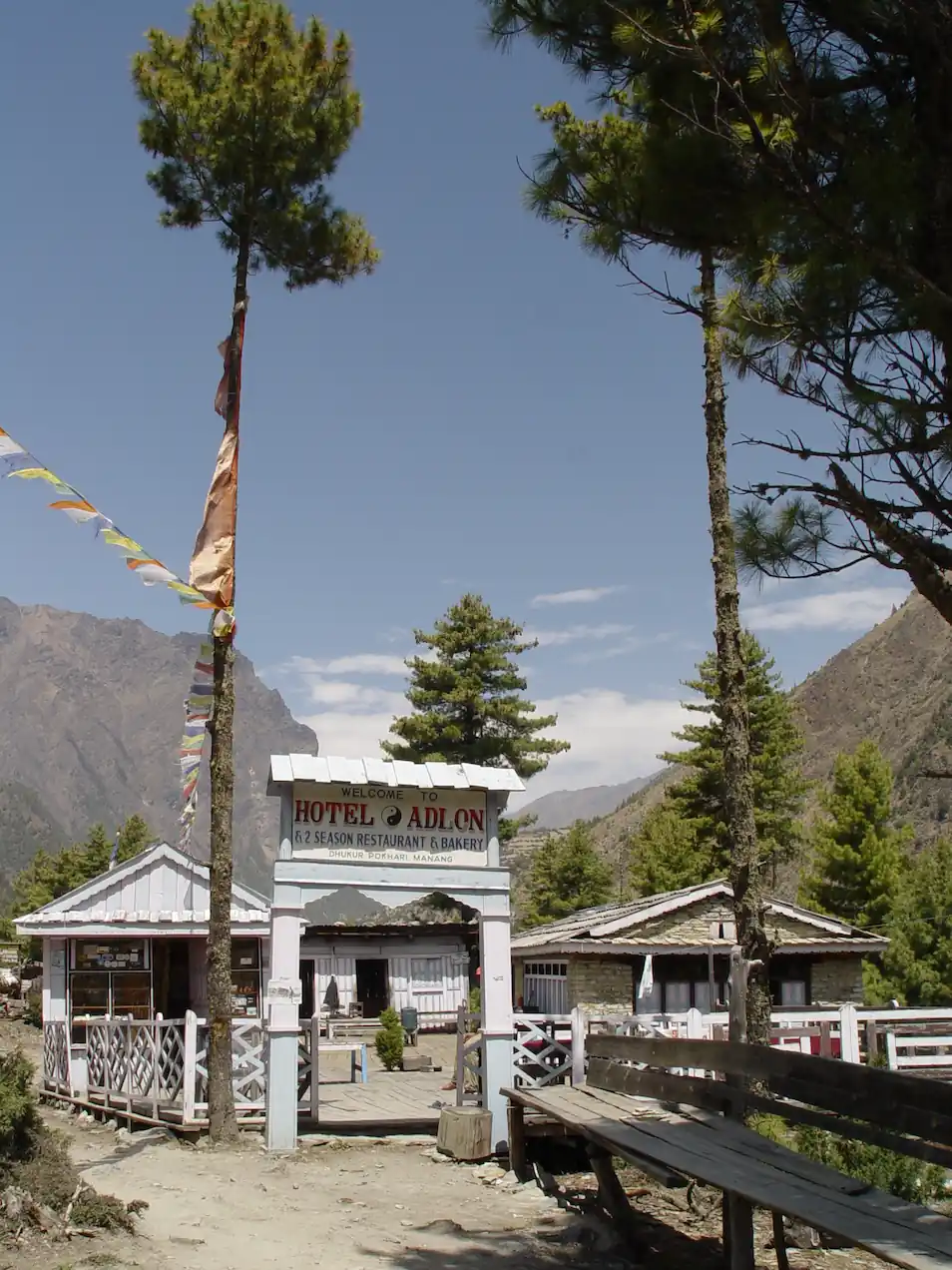
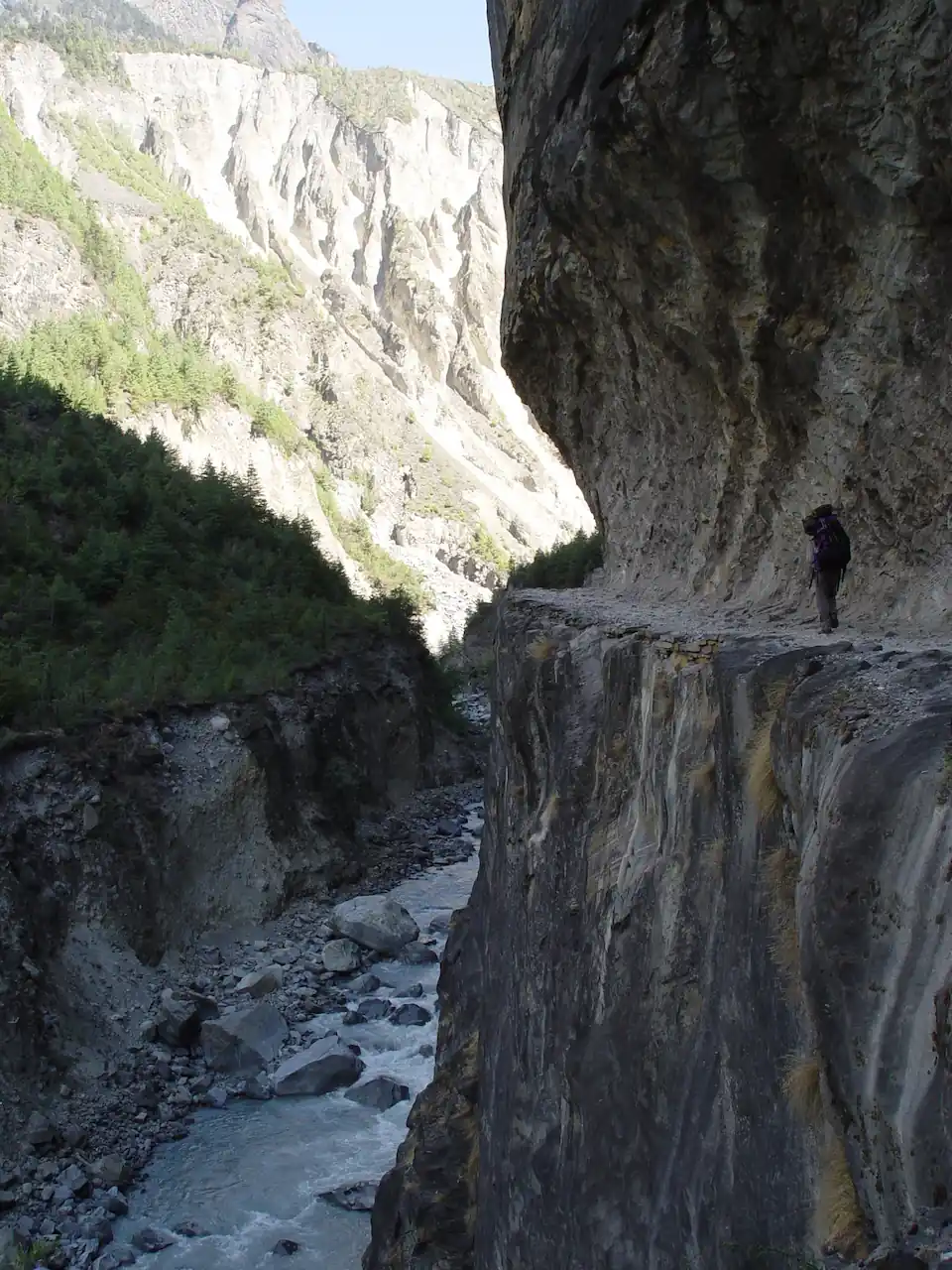
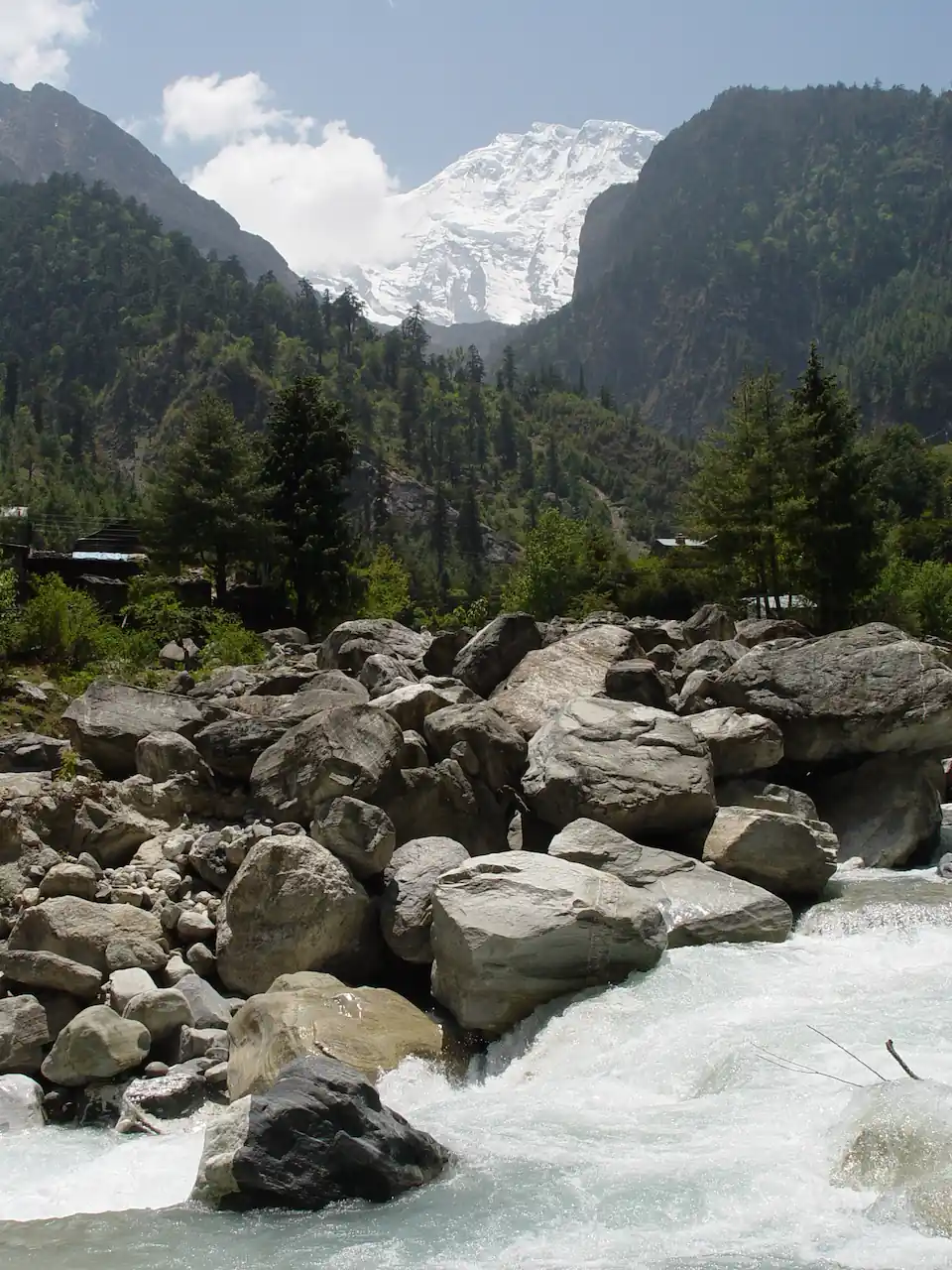
Trip Gallery
Trek Essentials
Gear tip: A windproof outer layer and a sleeping bag rated to -10°C are the two most important items to get right on this trek. The Kali Gandaki winds will find every gap in a regular jacket, and Muktinath nights are genuinely cold. Do not compromise on either.
- Moisture-wicking base layer (top and bottom)
- Warm fleece or down mid-layer
- Windproof and waterproof outer jacket (essential for Kali Gandaki winds)
- Trekking pants (x2)
- Warm hat and insulated gloves
- Thermal underwear (for cold nights at Ghorepani and Muktinath)
- Sun hat or cap
- Light comfortable clothes for evenings in teahouses
- Waterproof, broken-in trekking boots
- Camp sandals or flip-flops for teahouse evenings
- Wool or synthetic trekking socks (x4 pairs)
- Gaiters (optional but useful in winter months)
- 40–50L trekking backpack
- Trekking poles (strongly recommended for the long descent from Ghorepani to Tatopani)
- Sleeping bag rated to -10°C (nights at Muktinath can be very cold)
- Headlamp with spare batteries (essential for the Poon Hill pre-dawn climb)
- Quality sunglasses with UV protection (sun is intense at altitude)
- Water bottles (x2) or hydration bladder
- Water purification tablets or portable filter
- Daypack rain cover
- High-SPF sunscreen (50+ strongly recommended)
- Lip balm with SPF
- Personal first aid kit
- Altitude sickness medication — Diamox (consult your doctor before the trek)
- Insect repellent (for lower trail sections)
- Hand sanitiser
- Wet wipes
- All personal medications and prescriptions
- Valid passport (minimum 6-month validity beyond your travel dates)
- Nepal visa
- Travel and medical insurance documents
- USD cash for personal expenses (ATMs are not available after Pokhara)
- Passport-sized photos (x4, required for permits)
- Emergency contact list
Final Thoughts:
The Annapurna Semi Circuit Trek is one of those journeys that is difficult to fully explain to someone who has not done it. You start in lush green forests full of birdsong and rhododendron flowers. You stand on Poon Hill in the dark and watch the highest mountains in the world turn gold in the first light of day. You walk into the deepest gorge on earth and feel the wind push back as the landscape shifts from green to stone to dust. You sit in a medieval village where the walls are painted red and the alleyways are narrow enough to touch both sides. You climb to a sacred temple at 3,800 metres where pilgrims have been coming for hundreds of years and a flame burns from the ground.
All of that happens in 15 days. All of it in one trek.
This route works for people who want more than a walk in the mountains. It works for people who want to understand Nepal — not just see it from a viewpoint, but move through it slowly enough to feel it. The cultural depth of the Thakali villages, the spiritual weight of Muktinath, the sheer physical scale of the Kali Gandaki Gorge — none of it comes through in a photograph. It comes through in the walking.
We have taken trekkers of every background and fitness level on this route. The ones who come prepared, who give themselves to the pace of the trail, and who stay curious about everything they encounter — those are the ones who come back and say it was the best thing they ever did.
We would love for that to be you.
Your Adventure to Annapurna Base Camp Trek Starts Here
Start your journey with trusted local experts and discover the beauty, culture, and adventure waiting in the Himalayas and beyond.
Frequently Asked Questions
Everything you need to know about the AASRA ECO TREK
The full Annapurna Circuit crosses the Thorong La Pass at 5,416 metres, which is a serious high-altitude challenge requiring additional acclimatization days and a much higher fitness level. The Semi Circuit covers the southern approach via Ghorepani and Poon Hill and the northern Mustang section up to Muktinath, giving you the most scenic and culturally rich parts of the full circuit without the extreme altitude crossing. It is a smarter, more accessible route that does not ask you to sacrifice the quality of the experience.
This trek is rated moderate to challenging. The most demanding stretch is the stone staircase climb from Tikhedhunga to Ulleri on Day 5, followed by the long descent to Tatopani the following day. The altitude at Muktinath (3,800 m) is significant but manageable for most healthy adults who ascend gradually. Daily walking hours range from 5 to 7 hours on average. A good base level of fitness built up through regular walking or cardio exercise in the two months before departure will make a very big difference to your enjoyment of the trek.
The maximum altitude on this trek is 3,800 metres at Muktinath. Mild symptoms such as headache, fatigue, and mild nausea are possible at this elevation, particularly if you have been ascending quickly in the days before. The itinerary is designed to allow gradual acclimatization, and your guide is trained to recognise and respond to altitude sickness symptoms. Drinking 3–4 litres of water per day, avoiding alcohol in the first few days on the trail, and never pushing through serious symptoms are the most important rules to follow.
Yes. Day 12 includes a rest or acclimatization option at Muktinath before descending to Jomsom. This buffer day serves two purposes it gives your body time to adjust to the altitude and it gives you more time to explore Muktinath and Kagbeni, both of which deserve more than a brief passing visit. The pacing of the overall itinerary is also designed with rest in mind, with shorter walking days built in around the harder stretches.
The Kali Gandaki Valley experiences some of the strongest daily winds of any trekking route in Nepal. The winds typically start building around 11 AM and can reach considerable strength by early afternoon, making walking in exposed sections very uncomfortable. Your guide manages the daily schedule to ensure you leave early each morning and reach your teahouse before the wind peaks. Once you understand this rhythm, the winds become a fascinating feature of the landscape rather than a problem.
Jomsom airport is one of the most weather-dependent airstrips in Nepal. Flights operate only in the morning when winds are calm, and cancellations due to strong winds or poor visibility happen regularly. If your flight is delayed or cancelled, the backup option is a jeep or bus along the Mustang highway to Pokhara, which takes around 7–9 hours. We always recommend building at least one buffer day into your international departure schedule from Kathmandu to account for potential Jomsom flight disruptions.
Teahouse menus along the Annapurna Semi Circuit are surprisingly varied. You can expect a good selection of dal bhat (the classic Nepali meal of lentil soup, rice, and vegetables), noodles, pasta, soups, eggs, pancakes, momo (dumplings), and local Thakali dishes in the Mustang section. Marpha is famous for its apple products, and the apple pie and apple brandy there are genuinely worth trying. On the trail, your guide will help you make smart food choices to keep your energy up throughout the day.
Yes, and it is a combination that many trekkers find extremely rewarding. Kagbeni on Day 11 sits right at the entrance to Upper Mustang, and extending the trek north to Lo Manthang the ancient walled capital of the Mustang Kingdom adds around 7–10 extra days. Upper Mustang requires a special restricted area permit currently priced at USD 500 for the first 10 days. It is one of the most culturally preserved and visually dramatic places in the entire Himalayan region. Please let us know in advance if you are interested in this extension and we will build it into your itinerary.