 Plan Your Trip
Gangtey Valley Tour — 11 Days
Trip Overview

Trek Region
Bhutan

Difficulty Level
Moderate

City Accommodation
3 Nights at 3-Star Hotel

Trek Starts at
Paro, Bhutan

Transport
Flight + Private Vehicle
Mountain Accommodation
Teahouse / Guesthouse

Trek Ends at
Paro, Bhutan

Total Trip Duration
11 Days

Max Elevation
3,000m

Trekking Duration
3 Days Light Walking

Meals
B – City / BLD – Mountain
Trip Highlights
Gangtey Valley Tour Highlights
- Walk through the sacred Phobjikha Valley, one of Bhutan’s most pristine glacial valleys and the winter home of the endangered black-necked cranes that fly in from Tibet every year.
- Visit Gangtey Gonpa (Gangtey Monastery), a 17th-century Nyingmapa monastery perched above the valley floor, considered one of the most important religious sites in Bhutan.
- Watch the rare black-necked cranes up close at the Black-Necked Crane Information Centre in Phobjikha, especially magical between October and March when hundreds arrive each season.
- Explore Punakha Dzong, nicknamed the “Palace of Great Happiness,” sitting at the dramatic confluence of the Pho Chhu and Mo Chhu rivers and regarded as the most beautiful fortress in Bhutan.
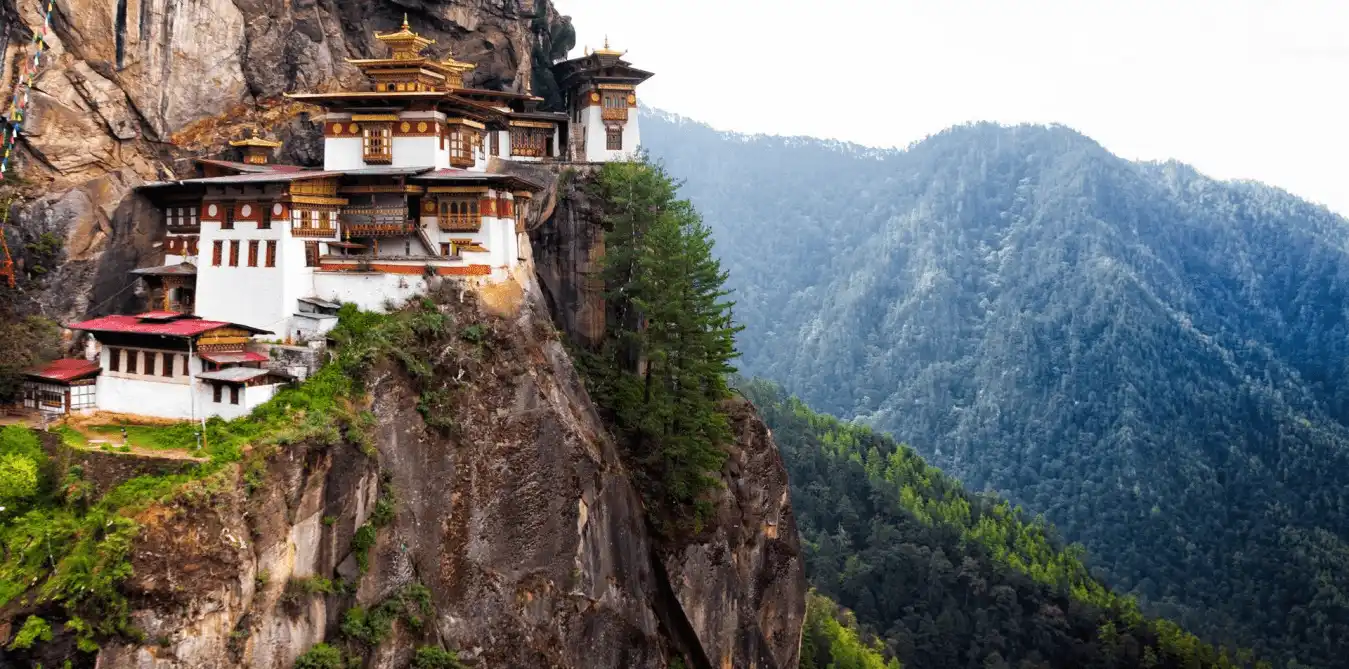
- Take the iconic hike to Tiger’s Nest Monastery (Paro Taktsang), perched 900 meters above the Paro Valley on a sheer cliffside, one of the most famous sacred sites in the entire Himalayan world.
- Discover Thimphu, Bhutan’s capital city, where ancient traditions and modern life exist side by side — visit the giant Buddha Dordenma statue, the weekend market, and local craft workshops.
- Experience Bhutan’s legendary Gross National Happiness philosophy in daily life, through local village visits, farm-to-table meals, and genuine conversations with Bhutanese families.
- Travel through breathtaking mountain passes including the Dochula Pass at 3,116m, lined with 108 memorial chortens (stupas) and offering sweeping views of the eastern Himalayan peaks on clear days.
Trip Summary
Overview: Why Choose the Gangtey Valley Tour
Bhutan is one of the last truly unspoiled kingdoms on Earth, and the Gangtey Valley tour gives you the most complete picture of what makes this country so extraordinary. Nestled in the heart of western Bhutan, the Gangtey Valley (also known as Phobjikha Valley) is a wide glacial valley surrounded by fir and pine-covered hills, ancient monasteries, and some of the rarest wildlife in Asia.
This 11-day Gangtey Valley tour is designed to take you beyond the typical tourist checklist. Yes, you will see Tiger’s Nest. Yes, you will visit Punakha Dzong. But you will also slow down in Phobjikha, walk along wetland trails at dusk, watch cranes land in the golden light, and sit quietly in centuries-old temples where monks still practice exactly as their ancestors did.
Unlike rushed tours that tick off highlights and move on, this itinerary gives you real time in each place. You arrive in Paro, travel across mountain passes to Thimphu, drop down into the warm lowlands of Punakha, and then climb back into the highlands to reach Gangtey. Every day brings a new landscape and a new layer of Bhutanese culture.
What Makes the Gangtey Valley Tour Special:
- One of the few tours that includes meaningful time in the Phobjikha Valley
- Combines nature, wildlife, culture, and spiritual heritage in one journey
- Suitable for first-time visitors to Bhutan as well as returning travellers
- Small group sizes mean personal attention and flexible pacing
- Bhutan’s strict sustainable tourism policy keeps crowds minimal
- Experienced local guides who can open doors ordinary tourists never see
- October to March visits include the incredible black-necked crane season\
When To Visit
The best times for the Gangtey Valley tour are spring (March to May) and autumn (September to November). These seasons bring clear skies, comfortable walking temperatures, and the most rewarding mountain and valley views. For anyone specifically wanting to see the black-necked cranes at Phobjikha, plan your visit between October and March when the birds migrate from the Tibetan plateau
Itinerary
Your Gangtey Valley tour begins the moment your plane descends into Paro. The approach into Paro International Airport is one of the most dramatic in the world — only a handful of pilots are certified to land here, weaving between Himalayan peaks before touching down in the narrow valley. Even before you step off the plane, Bhutan has already made an impression.
You will be met at the airport by your guide, who will have your Bhutan tourist visa and documentation ready. A short drive takes you to your hotel in Paro. Spend the afternoon walking through Paro town, visiting the local market, and adjusting to the altitude and the pace of Bhutanese life.
In the evening, you will have a welcome dinner at your hotel. Your guide will give a full briefing about the 11-day Gangtey Valley tour, covering cultural customs, what to expect at monasteries and dzongs, and how to make the most of each day ahead.
Elevation: 2,200m | Walking: Light stroll | Accommodation: Hotel | Meals: Dinner
Paro is far richer than most visitors expect. Today is a full day to explore the valley properly before heading onward. Start with Rinpung Dzong, the imposing fortress-monastery that guards the valley and serves as the administrative centre of Paro district. Built in 1644 and rebuilt in 1907 after a fire, it remains one of the finest examples of Bhutanese architecture.
Above the dzong sits Ta Dzong, the old watchtower that now houses the National Museum of Bhutan. The collection here is extraordinary — ancient thangka paintings, ritual weapons, masks, stamps, and natural history exhibits that together tell the story of Bhutan across centuries.
In the afternoon, walk along the river below Rinpung Dzong and explore the traditional farmhouses in the surrounding fields. Paro’s valley floor is wide and green, planted with rice paddies and lined with white-washed farm buildings decorated with painted symbols.
Elevation: 2,200m | Walking: 2-3 hours | Accommodation: Hotel | Meals: BLD
Today you leave Paro and drive east toward Thimphu, Bhutan’s capital. The journey is about 1.5 hours but the road rises steadily, offering increasingly beautiful views of the forested hills that define western Bhutan.
Before reaching Thimphu, your route passes through the Dochula Pass at 3,116 meters. On a clear day, this is one of the most spectacular viewpoints in Bhutan. The pass is crowned with 108 chortens (memorial stupas) built by the Queen Mother Ashi Dorji Wangmo Wangchuck in memory of Bhutanese soldiers. Behind them, the entire eastern Himalayan range stretches across the horizon, with peaks including Masagang (7,194m), Tsendagang (6,960m), and Gangkar Puensum (7,570m), the highest unclimbed peak in the world.
After a tea stop at the pass, continue down to Thimphu. The rest of the day is for sightseeing in the capital — visit the giant Buddha Dordenma statue that watches over the city from its hilltop throne, explore the Trashi Chhoe Dzong, and browse the handicraft workshops near the weekend market.
Elevation: 2,320m (Thimphu) | Walking: 1-2 hours | Accommodation: Hotel | Meals: BLD
A full day in Thimphu is a lesson in Bhutan’s extraordinary balancing act between tradition and the modern world. This is the only capital city in the world with no traffic lights — a detail that tells you everything about Bhutan’s priorities.
Start at the National Textile Museum, where you can see weavers working on traditional looms and understand the deep importance of textiles in Bhutanese culture. Every fabric pattern in Bhutan carries meaning — region, occasion, status, and spiritual symbolism are all woven in.
Visit the Institute for Zorig Chusum (School of Traditional Arts), where young Bhutanese students train in the 13 traditional arts including painting, sculpting, weaving, and woodcarving. The work on display here rivals anything you would find in a museum.
In the afternoon, explore Changangkha Lhakhang, one of Thimphu’s oldest temples perched on a ridge above the city. Locals bring newborn babies here to receive blessings and names. As the sun drops, walk along the river promenade or wander through the main market area. Thimphu feels like nowhere else on Earth — genuinely Himalayan yet gently cosmopolitan.
Elevation: 2,320m | Walking: 2-3 hours | Accommodation: Hotel | Meals: BLD
Today you cross the Dochula Pass again, this time heading down the other side into the Punakha Valley. The descent from the pass is dramatic in less than 30 minutes you drop from pine forest at 3,116 meters into subtropical warmth at 1,200 meters. The vegetation changes completely: ferns, banana trees, and orange groves replace the conifers.
Punakha was Bhutan’s capital until 1955 and still holds enormous religious and historical importance. The star of the valley is Punakha Dzong, the “Palace of Great Happiness.” Built in 1637 by Zhabdrung Ngawang Namgyal, the founder of Bhutan, the dzong sits at the confluence of the Pho Chhu (Father River) and Mo Chhu (Mother River). It is widely considered the most beautiful dzong in the country.
Walk across the covered wooden bridge to the dzong’s entrance and spend time exploring the courtyards and temples inside. The main assembly hall is breathtaking, painted in deep reds and golds, with ancient thankas hanging from the rafters.
In the afternoon, take a short hike up to Khamsum Yuelley Namgyal Chorten, a stunning temple on a hill above the Punakha Valley, offering panoramic views down to the rivers below.
Elevation: 1,200m | Walking: 2-3 hours | Accommodation: Hotel | Meals: BLD
Punakha deserves more than one day, and today you get the chance to explore the valley’s quieter corners. Start with a walk through Punakha’s rural villages, where farmers still plough their fields with cattle and life moves at an age-old rhythm. Your guide will introduce you to local families, and you may be invited inside a farmhouse for butter tea and conversation.
The highlight of the morning is Chimi Lhakhang, known throughout Bhutan as the Fertility Temple. Built in 1499 by the Divine Madman Drukpa Kunley, this small hilltop temple is reached by a 20-minute walk through rice fields and a small village. Pilgrims travel from across Bhutan to receive blessings here, and the temple’s iconography is among the most colourful and distinctive in the country.
In the afternoon, you can choose to take a short whitewater rafting trip on the Mo Chhu river (seasonal, optional), or relax by the river and explore the market in Punakha town.
Elevation: 1,200m | Walking: 2-3 hours | Accommodation: Hotel | Meals: BLD
Today is the centrepiece journey of the entire tour — the drive up into the Gangtey Valley. From the subtropical warmth of Punakha, you climb steadily for about 2.5 to 3 hours through increasingly beautiful mountain scenery. The road winds through forested hillsides, passes small monasteries, and eventually crosses the Laurii La pass (3,420m) before descending into the wide open floor of the Phobjikha Valley.
Your first view of the Gangtey Valley is unforgettable. After hours of dense forest and mountain roads, the valley opens up like a secret world — a broad, flat glacial basin surrounded by hills, with Gangtey Monastery (Gangtey Gonpa) visible on the far ridge.
After settling into your guesthouse, take a short afternoon walk along the valley floor. The Black-Necked Crane Information Centre near Shedra is a perfect first stop — the centre explains the ecology of the valley, the crane migration from Tibet, and the extraordinary relationship between the local Bhutanese community and these sacred birds.
If you are visiting between October and March, you may already see cranes feeding in the fields. Their call — a resonant, haunting sound — carries across the entire valley.
Elevation: 2,900m | Walking: 1-2 hours | Accommodation: Guesthouse | Meals: BLD
Today is a full day to explore the Gangtey Valley properly. Start early with a visit to Gangtey Gonpa, the monastery that has watched over this valley since the early 17th century. The monastery belongs to the Nyingmapa school of Tibetan Buddhism, and the current head lama is the ninth reincarnation of the monastery’s founder, Pema Lingpa, one of Bhutan’s most revered religious figures.
The monastery complex includes several temples, a monk school, and residences for over 200 monks. The views from the monastery down across the entire Phobjikha Valley are extraordinary, a patchwork of farmland, wetland, and forested ridgelines stretching in every direction.
In the afternoon, follow the Gangtey Nature Trail, a 5-kilometre loop around the valley floor. The trail passes through black-necked crane habitat, traditional farmhouses, potato fields, and a small marsh. This is the best way to experience the valley’s landscape at a slow, natural pace.
If you are here during crane season, this afternoon walk is likely to bring you within close range of the birds. Local farmers know the cranes by name and speak of them with genuine reverence. Watching a crane take flight just metres from you, with slow, deliberate wingbeats, enormous wingspan, a sound like no other, is one of those travel moments you never forget.
Elevation: 2,900m | Walking: 3-4 hours | Accommodation: Guesthouse | Meals: BLD
Your last full day in the Gangtey Valley is for going slower and going deeper. This morning, your guide takes you to visit a traditional Bhutanese farmhouse in one of the valley’s smaller villages. These are working farms, potatoes, buckwheat, and cattle are the main livelihood. Inside the farmhouses, the upper floors are used for storage, the middle floors for living, and the ground floor for livestock. The architectural logic is practical and centuries old.
After the village visit, follow a different trail section of the valley toward the southern end, where the marsh is at its most expansive. The landscape here feels prehistoric, and mist often sits on the water in the morning, and the silhouettes of trees at the wetland edge make it look like a painting.
In the afternoon, visit Kumbu Lhakhang, a small but ancient temple near the valley floor, and spend time in quiet reflection. This is a good moment to buy locally made products — the valley is known for its dried potatoes, buckwheat biscuits, and hand-woven textiles.
In the evening, your guesthouse hosts will prepare a traditional Bhutanese dinner, possibly including ema datshi (Bhutan’s national dish of chillies with cheese), red rice, and a warming soup made from ingredients grown in the valley.
Elevation: 2,900m | Walking: 3-4 hours | Accommodation: Guesthouse | Meals: BLD
Today you make the return journey from the Gangtey Valley back toward Paro, crossing the highlands and descending into the Paro Valley. The drive takes approximately 4 to 5 hours and retraces your route through the mountain passes, giving you new perspectives on landscapes you have already come to love.
Arrive in Paro in the early afternoon. The rest of the day is reserved for rest and preparation. Tomorrow is Tiger’s Nest day, the Paro Taktsang hike, and you will want your legs fresh and your energy high.
Use the afternoon for a gentle walk along the Paro River, a visit to a local archery session (Bhutan’s national sport), or shopping for handicrafts and souvenirs in Paro town. The craft shops near the main street carry genuine Bhutanese textiles, wooden bowls, incense, thangka paintings, and silverwork.
Your guide will brief you on tomorrow’s hike what time you start, what to bring, and what to expect at the monastery.
Elevation: 2,200m | Walking: 1-2 hours light | Accommodation: Hotel | Meals: BLD
The final day of the Gangtey Valley tour is also its most dramatic. The hike to Paro Taktsang, better known as Tiger’s Nest Monastery, is the single most iconic experience in Bhutan. The monastery clings to a sheer granite cliff 900 meters above the Paro Valley floor, looking more like something from a fairy tale than a real structure.
The hike takes 2 to 3 hours upward through pine forest, with views of the monastery growing more incredible at every turn. There is a rest stop with a teahouse at the halfway point, where most hikers pause to catch their breath and take photographs. From here, the full scale of the cliff and the monastery becomes clear.
The final approach involves descending into a narrow gorge, crossing a bridge above a dramatic waterfall, and then climbing back up stone steps carved directly into the cliff face. When you arrive at the monastery entrance, you remove your shoes and enter a complex of temples and meditation caves that have been sacred since the 8th century.
Guru Rinpoche (Padmasambhava), the founder of Tantric Buddhism in Bhutan, is said to have flown here on the back of a tigress and meditated in the cave for three months. The monastery built around that cave has been destroyed and rebuilt by fire multiple times, most recently restored after a fire in 1998.
After the hike back down, return to Paro for a final farewell lunch. Your guide will accompany you to the airport for your departure, and your Bhutan chapter of the Gangtey Valley tour will come to a close.
Elevation: 3,120m (Tiger’s Nest) | Walking: 4-5 hours return | Accommodation: Departure | Meals: BL
Trek Difficulty & Physical Demands
The Gangtey Valley tour is classified as easy to moderate. It is suitable for most healthy adults with a reasonable level of fitness. There is no extreme altitude involved, no technical terrain, and no need for prior trekking experience.
Elevation Profile
- Lowest point: Punakha at 1,200m
- Highest point: Gangtey Valley at approximately 2,900m to 3,000m
- Tiger’s Nest hike: 3,120m at the monastery
- Daily elevation changes are gradual and manageable
Daily Walking Expectations
- Most days involve 2 to 4 hours of walking
- Tiger’s Nest day involves 4 to 5 hours of steady hiking
- Trails are well-maintained and clearly marked
- Paths are a mix of stone steps, forest trails, and valley floor walks
Altitude Considerations
- The Gangtey Valley sits at around 2,900m, which is moderate altitude
- Most visitors adapt comfortably without medication
- Mild headaches are possible on the first evening in the valley
- Drinking plenty of water and taking the first day gently makes a big difference
- Diamox is not typically required for this tour but consult your doctor if you have concerns
Physical Fitness Requirements
- Comfortable walking 3 to 5 hours on some days
- No mountaineering or technical skills needed
- Good general health and basic cardiovascular fitness
- Comfortable with some uphill walking on stone stairs
Who This Tour Suits:
- First-time visitors to Bhutan
- Families with older children and teenagers
- Active retirees in good health
- Cultural travellers wanting depth over distance
- Wildlife lovers, birdwatchers, and photographers
Best Time to Trek: Seasonal Comparison
Spring (March to May)
Rating: Excellent — Spring is one of the two peak seasons in Bhutan. Rhododendrons bloom across the hillsides in spectacular colour, the skies clear after winter, and the Phobjikha Valley comes alive as the last cranes begin their return journey north to Tibet. Days are warm and bright, evenings cool and comfortable.
Advantages:
- Clear mountain views across all passes
- Rhododendron forests in full bloom (March to April)
- Pleasant walking temperatures
- Great light for photography
- Cranes still present in Phobjikha until mid-March
Disadvantages:
- Busy season, especially in April
- Book well in advance
Summer/Monsoon (June to August)
Rating: Average — Bhutan receives significant monsoon rainfall during summer, particularly at lower elevations. The Gangtey Valley, sitting higher than most, often stays clearer. The landscape is lush and green, and prices are lower, but mountain views are often obscured.
Advantages:
- Lowest prices and fewer visitors
- Incredibly green, dramatic landscape
- Some festivals during this period
Disadvantages:
- Frequent cloud and rain at lower elevations
- Mountain views often blocked
- Muddy trails in some areas
Autumn (September to November)
Rating: Excellent — Many experienced travellers consider autumn the finest season in Bhutan. The monsoon leaves behind crystal-clear air, freshly washed skies, and vibrant landscapes. October is peak crane season in the Gangtey Valley, with hundreds of black-necked cranes filling the Phobjikha fields.
Advantages:
- Best visibility of the entire year
- Cranes arrive in Phobjikha from mid-October
- Stable, predictable weather
- Excellent light for photography
- Major festivals including Thimphu Tsechu and Paro Tsechu
Disadvantages:
- Busiest and most expensive season
- Book 3 to 4 months in advance for October
Winter (December to February)
Rating: Good — Winter in Bhutan is cold but often beautifully clear. Snow dusts the mountain passes, and the Gangtey Valley becomes a stark, stunning landscape. Crane numbers peak in December and January, making it the single best time to see the black-necked cranes.
Advantages:
- Peak crane season (December to February)
- Very few tourists — near solitude in Phobjikha
- Crystal-clear mountain visibility on clear days
- Lower prices
Disadvantages:
- Cold temperatures, especially at Gangtey (can drop to -10°C at night)
- Some high-altitude roads may close after heavy snowfall
- Shorter days
Recommendation: October for crane season and perfect weather. March and April for blooms and warmth. Winter for serious crane enthusiasts wanting quiet.
Booking Your Gangtey Valley Tour — 11 Days
Booking a trip to Bhutan requires a little more planning than most destinations, but the process is straightforward once you understand how it works.
Step 1: Choose Your Dates
Look at the seasonal comparison above and decide what matters most to you. Crane season in Gangtey runs October to March. Spring rhododendrons peak in March and April. Good weather is most reliable in October and November. Once you have a date range, reach out to book.
Step 2: Secure Your Visa and SDF
All visitors to Bhutan must be booked through a licensed Bhutanese tour operator. Your operator arranges the visa clearance letter, which you present on arrival at Paro. Bhutan’s Sustainable Development Fee (SDF) is part of your package cost — it funds conservation, free healthcare, and education across the country. There is no way around it, and it is genuinely worth it.
Step 3: Book Your International Flights
Paro is served by Druk Air (Bhutan’s national airline) and Bhutan Airlines from cities including Delhi, Kathmandu, Kolkata, Bangkok, and Singapore. Flights fill up fast for peak months, so book as soon as your tour is confirmed. Your tour operator can advise on flight connections.
Step 4: Arrange Travel Insurance
Travel insurance for Bhutan must specifically cover high-altitude trekking (if applicable) and medical evacuation. Standard travel insurance often excludes these. Confirm your policy covers helicopter evacuation — this is important in Bhutan’s remote terrain.
Step 5: Confirm Details and Deposit
Most operators require a 30 to 50 percent deposit to confirm your booking. The balance is typically due 4 to 6 weeks before departure. Read your booking terms carefully regarding cancellation and refund policies.
Tips for First-Time Bhutan Visitors:
- Work with a licensed local operator — independent travel is not permitted in Bhutan
- Ask your guide about local festivals and events happening during your stay
- Bring small gifts for village hosts (notebooks, pens, seeds, or craft materials for children are appreciated)
- Respect photography restrictions inside temples and dzongs — always ask before pointing a camera
Cost Details
Cost Includes
Accommodation:
- Hotels in Paro, Thimphu, and Punakha (3-star standard)
- Guesthouse or eco-lodge accommodation in Gangtey Valley
- All nights based on double occupancy
Meals:
- All meals throughout the tour (breakfast, lunch, dinner)
- Welcome and farewell dinners included
- Authentic Bhutanese and international food options
Transport:
- Private vehicle for all overland transfers throughout the tour
- Airport pickup and drop-off in Paro
- All fuel, driver, and vehicle charges
Guide and Staff:
- Experienced English-speaking licensed Bhutanese guide
- Guide’s accommodation, meals, and insurance
- Local specialists at key sites where relevant
Permits and Fees:
- Bhutan Sustainable Development Fee (SDF)
- Bhutan Tourism Levy
- All entry fees to dzongs, monasteries, and museums
- TIMS and relevant documentation
Other:
- Pre-departure information pack
- Detailed tour map
- Emergency contact system throughout the tour
Cost Excludes
- International flights to and from Paro
- Travel insurance (compulsory — must cover medical evacuation)
- Bhutan entry visa fee (approximately USD 40, paid on arrival)
- Gratuities for guide and driver (USD 10 to 15 per day per guide is customary)
- Personal expenses (laundry, telephone, souvenirs, additional snacks)
- Alcoholic beverages
- Optional activities (whitewater rafting, archery lessons)
- Meals not specified in the itinerary
Money Saving Tips
- Visit in March or November (shoulder season) for 15–25% lower rates with still-great weather
- Join a group departure of 4+ people to bring the per-person cost down significantly
- Book 3–4 months ahead for autumn — last-minute Bhutan bookings are always more expensive
- Choose standard 3-star hotels in Paro and Thimphu instead of luxury lodges
- Skip alcohol — Bhutan charges high import taxes on drinks, costs add up fast at guesthouses
- Combine with a Nepal leg to share your international flight cost across two destinations
- Bring your own snacks, energy bars, and instant coffee from home — valley guesthouses charge premium prices for basics
- Use a reusable water bottle — saves money on bottled water and aligns with Bhutan’s no-plastic policy
- Exchange USD to Ngultrum at the airport or Thimphu bank for better rates than guesthouse exchange
- Keep souvenir shopping to Thimphu’s weekend market where prices are more local than tourist-shop rates
Trip Gallery
Trek Essentials
What to Pack for the Gangtey Valley Tour
Packing for Bhutan requires thinking about temperature range. In 11 days you will experience subtropical warmth at 1,200m in Punakha and near-freezing nights at 2,900m in Gangtey. Layering is everything.
- Moisture-wicking long-sleeve thermal tops (merino wool ideal)
- Thermal leggings for cold evenings in Gangtey
- Avoid cotton as your base layer — it holds moisture
- Fleece jacket or light down jacket
- Heavy wool sweater for evenings at Gangtey Valley
- Lightweight windproof layer for mountain passes
- Well broken-in hiking boots with ankle support (essential for Tiger’s Nest)
- Light trainers or sandals for town walking
- Warm socks (at least 4 pairs, merino wool preferred)
- Wide-brimmed sun hat for valley days
- Warm beanie and gloves for Gangtey evenings and Dochula Pass
- Buff or neck gaiter (versatile for warmth and sun protection)
- Rain cover for daypack (monsoon-season visits)
- Daypack (20 to 25 litres) for daily walks and Tiger’s Nest hike
- Trekking poles (strongly recommended for Tiger’s Nest descent)
- Reusable water bottle (Bhutan actively discourages single-use plastic)
- Headlamp with spare batteries
- Camera or smartphone with good low-light capability
- Dress modestly when visiting dzongs and monasteries — arms and legs covered, no shorts
- Remove shoes before entering all religious spaces
- Do not photograph religious objects, monks, or interiors without asking permission
- Bhutan is a minimal plastic country — bring reusable bags and a water bottle
- Passport (minimum 6 months validity beyond travel date)
- Travel insurance documents (must show emergency evacuation cover)
- Bhutan visa confirmation from your tour operator
- Cash in USD for tipping (widely accepted)
- Ngultrum (Bhutanese currency) for small purchases — your operator can advise
- Sunscreen SPF 50 (UV is intense at altitude)
- Lip balm with SPF
- Personal medications in original packaging
- Basic first aid: blister kit, pain reliever, anti-diarrhoeal, antihistamine
- Hand sanitiser (smaller guesthouses may have limited facilities)
Final Thoughts: Conclusions
The Gangtey Valley tour is the kind of trip that changes how you think about travel. Bhutan is rare in the modern world — a country that genuinely weighs happiness over GDP, that protects its forests instead of selling them, and that welcomes visitors while keeping the experience intimate and meaningful.
The Gangtey Valley itself is the quiet heart of this journey. You can spend days in Thimphu and Punakha and Paro and love every moment. But it is in Phobjikha — walking along a valley trail at dawn while cranes call from the mist, or sitting in a farmhouse sharing butter tea with a family who has lived here for generations — that Bhutan really gets under your skin.
This is not a tour you will forget. It is the kind of experience that resets your perspective and sends you home with a slightly different sense of what matters. The mountains are waiting. The cranes are coming. The monastery has been there for four centuries and it is not going anywhere.
Come when you are ready. Just come.
Your Adventure to Annapurna Base Camp Trek Starts Here
Start your journey with trusted local experts and discover the beauty, culture, and adventure waiting in the Himalayas and beyond.
Frequently Asked Questions
Everything you need to know about the AASRA ECO TREK
Yes. All visitors except Indian nationals require a visa to enter Bhutan. Your licensed tour operator handles the visa clearance letter, which is processed before your arrival. The visa fee is approximately USD 40 and is paid on arrival at Paro airport. You cannot arrange a Bhutan visa independently it must be done through a registered operator.
Yes, all international tourists must pay Bhutan’s Sustainable Development Fee (SDF). The fee is USD 100 per person per night and is included in your tour package cost. This fee directly funds Bhutan’s free healthcare, free education, and conservation programs. It is a non-negotiable entry requirement.
Absolutely. This tour is classified as easy to moderate, and most of the walking is on well-maintained trails at manageable elevations. The main physical challenge is the Tiger’s Nest hike on Day 11, which can be reduced to the halfway viewpoint if needed. We recommend consulting your doctor if you have any heart or respiratory conditions before travel.
The cranes typically arrive in Phobjikha Valley from mid-October and leave in mid-March. The peak months for numbers are November, December, and January when several hundred birds can be seen in the valley at once. October and February/March also offer sightings but with fewer birds.
Yes. This 11-day Gangtey Valley tour can be extended with additional days in Bumthang (central Bhutan) or Haa Valley (a remote western valley closed to tourists until recently). It can also be combined with a Nepal tour for a fuller Himalayan experience. Ask your operator for customised options.
Bhutan’s currency is the Ngultrum (BTN), which is pegged at par to the Indian Rupee. USD is widely accepted for tips and can be exchanged in Paro and Thimphu. ATMs are available in Paro and Thimphu but can be unreliable, so carry sufficient cash. Your tour package covers most expenses, so you mainly need cash for tips, souvenirs, and personal items.
Bhutan has cultural rules worth knowing before you arrive. Do not smoke in public. Bhutan has some of the world’s strictest anti-tobacco laws. Do not wear shorts or revealing clothing near dzongs or monasteries. Do not kill insects or animals (Bhutan is a largely vegetarian Buddhist culture). Do not touch religious objects inside temples. Do not point feet toward a religious image when sitting on the floor.
Bhutan has solid 4G coverage in Paro, Thimphu, and Punakha. Coverage in the Gangtey Valley is more limited but usually available near the guesthouse. Wi-Fi is available at most hotels and many guesthouses. Local SIM cards can be purchased in Thimphu or Paro for affordable data access.
Bhutanese food is warming, hearty, and genuinely delicious once you adjust to the spice levels. The national dish, ema datshi (green chillies with soft cheese), appears on almost every menu and can be surprisingly fiery. Red rice is a Bhutanese staple and has a slightly nutty flavour distinct from white rice. Most restaurants and guesthouses also offer international options. Food on this tour is included in your package — BLD (breakfast, lunch, dinner) during the trek and B (breakfast) in cities unless otherwise specified.
Yes, travel insurance is strongly recommended and considered essential by all reputable operators. Your policy must cover medical treatment and emergency evacuation by helicopter. Standard travel insurance often excludes activities above 4,000m, so check your policy carefully if you plan any high-altitude add-ons. For this 11-day Gangtey Valley tour, a standard policy covering trekking up to 3,500m is sufficient.
Tipping in Bhutan is customary and greatly appreciated. A general guideline is USD 10 to 15 per day for your guide and USD 5 to 8 per day for your driver. These amounts are per traveller in a solo or couple booking, and slightly less per person in a larger group. Tips are best given in cash at the end of the tour.