 Plan Your Trip
Annapurna Base Camp Trek — 14 Days

Sarah Johnson
Travelled in March, 30

Michael Chen
Travelled in March, 25
Trip Overview

Trek Region
Annapurna

Difficulty Level
Moderate

City Accommodation
2 Nights at a 3-Star Hotel

Trek Starts at
Nayapul (1,070 m)

Transport
Drive
Mountain Accommodation
7 Nights Teahouse

Trek Ends at
Nayapul (1,070 m)

Total Trip Duration
11 Days

Max Elevation
3,210 m

Trekking Duration
7 Days on Trail

Meals
B/L/D (Mountain only)
Trip Highlights
Annapurna Base Camp Trek Highlights
- Stand at 4,130m inside a natural amphitheatre of snow and ice, completely surrounded by the Annapurna massif, including Annapurna I (8,091m), the 10th highest mountain on Earth.
- Watch Machhapuchhare (Fishtail Mountain) appear from multiple angles throughout the trek — a sacred, 6,993m peak banned from climbing since 1957 and one of the most beautiful mountains in the Himalayas.
- Walk through dense rhododendron forests in full bloom (March–May), with hillsides covered in pink, red, purple, and white flowers that frame every mountain view ahead.
- Follow the Modi Khola river valley all the way up to base camp, a dramatic, steep-sided route that feels remote and wild even though it is a well-established trail.
- Start and end your trek in Pokhara, a relaxed lakeside city with great food, guesthouses, and stunning Himalayan views far more peaceful than Kathmandu for pre- and post-trek rest.
- Stay in family-run teahouses where local hosts have been welcoming trekkers for decades, sharing meals, stories, and a genuine glimpse into mountain life along the way.
- Catch sunrise at Annapurna Base Camp and watch the entire landscape shift from grey to gold as layers of high peaks slowly come to life, the moment most trekkers say they will never forget.
Trip Summary
Overview: Why Choose the Annapurna Base Camp Trek
The Annapurna Base Camp trek stands out as one of the world’s most rewarding mountain experiences. This 7-10 day adventure takes you to 4,130 meters, where you stand surrounded by some of the Himalayas’ most dramatic peaks. The Annapurna Base Camp trek isn’t the highest mountain trek in Nepal, but it offers something equally valuable: accessibility combined with exceptional beauty and cultural richness.
Unlike the Everest Base Camp trek that requires 14+ days and extreme altitude, the Annapurna Base Camp trek is achievable for trekkers with moderate fitness levels. You don’t need prior high-altitude experience to succeed. Yet the rewards are extraordinary. You’ll witness Annapurna I (8,091m), Machhapuchhare (6,993m), and Hiunchuli (6,441m) in stunning clarity. You’ll walk through rhododendron forests where blooms paint the mountainside pink and purple. You’ll sleep in teahouses where Sherpa families prepare meals in kitchens warmed by open fires. You’ll experience mountain culture without extreme suffering.
The Annapurna Base Camp trek is perfectly positioned as the “Goldilocks” trek. Not too easy to be unaccomplished, not too hard to be discouraging, just right for trekkers seeking a meaningful mountain experience. This is why it’s one of Nepal’s most popular routes—it delivers an extraordinary experience without requiring mountaineering skills or months of training.
What Makes the Annapurna Base Camp Trek Special:
- Perfect difficulty level for fit but non-mountaineering trekkers
- Stunning mountain scenery accessible in just 7-10 days
- Rich cultural immersion with warm local hospitality
- Moderate altitude suitable for first-time high-altitude trekkers
- Multiple accommodation and tour duration options
- Variety of landscape types: forests, meadows, alpine terrain
- Fewer crowds than the Everest routes, but a well-established trail
- Professional guides and good teahouse infrastructure
When To Visit
The Annapurna Base Camp trek stands out as one of the world’s most rewarding mountain experiences. This 7-10 day adventure takes you to 4,130 meters, where you stand surrounded by some of the Himalayas’ most dramatic peaks. The Annapurna Base Camp trek isn’t the highest mountain trek in Nepal, but it offers something equally valuable: accessibility combined with exceptional beauty and cultural richness.
Itinerary
Your Annapurna Base Camp trek begins in Pokhara, a beautiful lakeside city about 200 kilometers west of Kathmandu. If you’re coming from Kathmandu, you’ll either fly (30 minutes, scenic and expensive) or take a local bus (5-6 hours, affordable and adventurous). Many trekkers use the bus journey as a way to experience Nepal beyond trekking zones.
Upon arrival in Pokhara, settle into your hotel and rest from travel. The afternoon is free to explore Lakeside (the main tourist area), visit local temples, or simply relax by Phewa Lake watching sunset. The temperature in Pokhara is warm and humid—quite different from the mountains—so enjoy this last taste of comfort.
This is a good time to meet with your trek guide, confirm final details, and ask any remaining questions about the Annapurna Base Camp trek. Your guide can provide local recommendations for dinner and suggest acclimatization activities for the next day. Use this evening to review the itinerary, understand altitude expectations, and prepare mentally for the trek ahead.
Elevation: 827m | Walking: None (Travel only) | Accommodation: Hotel | Meals: Dinner
Many trekkers benefit from a full day in Pokhara before starting the trek. This optional day allows you to adjust to Nepali food, time zone changes, and the general environment. Use this day to explore Pokhara at a leisurely pace.
Morning Activity: Take a boat ride on Phewa Lake, visit Barahi Temple (a sacred temple on a lakeside island), or climb Sarangkot for panoramic mountain views and sunrise experience.
Afternoon Activity: Visit the International Mountain Museum to learn about Himalayan geography, mountaineering history, and the culture of mountain peoples. The museum provides excellent context for understanding what you’re about to experience.
Evening Activity: Relax at a lakeside café, get a traditional Nepali massage (your muscles will appreciate it before trekking), or explore the Lakeside market. Dinner at a local Nepali restaurant helps your stomach adjust before mountain food.
This additional day also allows your guide to assess your fitness level informally, answer any final questions, and ensure you’re properly equipped.
Elevation: 827m | Walking: 2-3 hours, optional sightseeing | Accommodation: Hotel | Meals: BLD
Today is your first trekking day on the Annapurna Base Camp trek. Start early from Pokhara, taking a local vehicle (jeep or minibus) to Naya Pul, the official start of the trekking trail. This 40-kilometer drive takes about 2 hours through Pokhara’s outskirts and the Foothill Zone.
At Naya Pul, your actual trekking begins. The first day’s trek to Birethanti is relatively short (about 2 hours) and easy, allowing you to warm up to the physical demands. The initial route crosses agriculture areas and small villages. You’ll notice the immediate change as you leave the roadhead behind and enter mountain trekking culture.
Birethanti is a small settlement famous for its suspension bridge over the Modi Khola river. The bridge itself is a highlight—a narrow walkway suspended over a river gorge with trees and mountains visible from every angle. Crossing suspension bridges becomes routine on the Annapurna Base Camp trek, but the first one is memorable.
Your teahouse in Birethanti is basic but welcoming. You’ll have your first experience with teahouse meals and mountain hospitality. Dinner will likely include dal bhat (rice and lentils), vegetable curry, and local tea. The food is simple, the portions generous, and the warmth of the kitchen fire comforting.
Elevation: 1,025m | Walking: 2 hours | Accommodation: Teahouse | Meals: BLD
Today is a longer trekking day (4-5 hours) that showcases the Annapurna Base Camp trek’s natural beauty. The route climbs from Birethanti through rhododendron forests, gaining about 900 meters of elevation. The climb is steady but not extreme, allowing your body to begin acclimatization.
The rhododendron forests are the highlight of this day. In spring (March-May), these forests explode with color. Even outside bloom season, the massive rhododendron trees create a distinctive landscape. The trail winds through what feels like an enchanted forest, with filtered light and moss-covered trees.
As you climb, the vegetation gradually transitions. Subtropical forest at lower elevations gives way to mixed forest, then rhododendron-dominated forest. The temperature gradually cools as you gain elevation. You’ll notice the change in your breathing—not extreme yet, but evidence that you’re ascending.
Ghandruk, your destination, is a traditional Gurung village perched on a hillside at 1,940 meters. The village is famous for its community lodge—a cooperative guesthouse run collectively by villagers. Staying in community lodges supports the local economy directly. The village maintains its traditional lifestyle despite tourism, with agriculture and animal husbandry remaining important.
From Ghandruk, you get your first clear mountain views. If the afternoon is clear, visit the viewpoint overlooking the Modi Khola valley with Annapurna and Machhapuchhare visible in the distance. This appetizer view reminds you why you’re trekking.
Elevation: 1,940m | Walking: 4-5 hours | Accommodation: Community Teahouse | Meals: BLD
Today’s route (5-6 hours) involves descending to Pothana (1,940m), then climbing to Chhomrong (2,160m). While the net elevation gain is minimal, the ups and downs make it a more challenging day than distances suggest. The Annapurna Base Camp trek involves constant elevation changes—rarely a truly flat day.
The descent from Ghandruk passes through bamboo forests and cultivated fields. You’re descending to cross yet another river valley before climbing again. This is a typical pattern on the Annapurna Base Camp trek: the landscape is convoluted with many valleys, each requiring a descent and re-ascent.
Pothana is a small settlement with great mountain views and several teahouses. Many trekkers stop here for lunch. The village sits on a ridge offering panoramic views of Annapurna, Hiunchuli, and Machhapuchhare. On clear days, it’s a worthwhile photo stop.
From Pothana, you climb to Chhomrong, another attractive village. Chhomrong is known for its hospitality and excellent teahouses. The village has multiple guesthouses, good meals, and a friendly atmosphere. You’ll likely notice more trekkers here as Chhomrong is a strategic stopping point.
The views from Chhomrong in the evening are spectacular. If weather permits, sunset views of Machhapuchhare are worth staying up for. Dinner conversations in Chhomrong often turn to anticipation of reaching base camp.
Elevation: 2,160m | Walking: 5-6 hours | Accommodation: Teahouse | Meals: BLD
Today’s trek is considerably more dramatic than previous days. The 3-4 hour route descends steeply from Chhomrong into the Modi Khola valley before climbing back out to Sinuwa. This is where the Annapurna Base Camp trek becomes serious—the terrain is steep, the exposure increases, and the view of surrounding mountains becomes more intimate.
From Chhomrong, you’ll descend about 600 meters through increasingly steep forest terrain. The trail becomes narrower and more challenging. You’ll gain an appreciation for the engineering required to create trekking paths through such steep terrain. Switchbacks help manage the grade, but this day involves significant descent—your knees will likely feel it.
The descent reaches the Modi Khola at the lowest point around 1,680 meters. The river is a constant feature, and you’ll cross it multiple times via suspension bridges. Each crossing provides views upstream toward the mountains you’re heading toward and downstream toward the valleys you’ve crossed.
From the river, you climb about 500 meters to Sinuwa (2,160m), a small teahouse settlement. This day is deceptively tiring—less about distance than elevation change and terrain difficulty. But Sinuwa is a peaceful place to recover. It’s less crowded than Chhomrong, offering quieter teahouse experiences.
From Sinuwa, the walk to Annapurna Base Camp is now visible in the distance. You can see the route descending ahead to the Modi Khola again, then climbing to base camp. The proximity is encouraging but also clarifies how much vertical distance remains.
Elevation: 2,160m | Walking: 3-4 hours | Accommodation: Teahouse | Meals: BLD
This is your first scheduled acclimatization day on the 15-day itinerary. At 1,940 meters, a rest day allows your body to adapt to altitude while the elevation is still manageable. This day helps prevent altitude sickness symptoms from developing during higher-altitude sections.
Morning Activity: Optional guided hike to Kim Il Sung Peak (2,652m) or a nearby ridge. This involves about 2 hours of hiking uphill, offering excellent mountain views while acclimatizing. You return to Ghandruk for lunch, practicing the mountaineering principle of “climb high, sleep low.”
Afternoon Activity: Explore Ghandruk village more thoroughly. Visit local homes to see how Gurung families live, watch traditional weaving, and interact with villagers. Many homes have guest areas where you can share tea and stories. This cultural immersion is a unique aspect of Annapurna trekking.
Evening Activity: Relax at the teahouse, journal about your experience, photograph the sunset over the Modi Khola valley, or simply rest. Your muscles may be sore from the previous day’s climbing, and this rest allows recovery.
Many trekkers underestimate the value of acclimatization days, but they significantly reduce altitude sickness risk. Your guide will monitor how you’re feeling and adjust subsequent pacing accordingly.
Elevation: 1,940m | Walking: 2 hours optional hiking | Accommodation: Community Teahouse | Meals: BLD
Today’s route (5-6 hours) involves descending to Pothana (1,940m), then climbing to Chhomrong (2,160m). While the net elevation gain is minimal, the ups and downs make it a more challenging day than distances suggest. The Annapurna Base Camp trek involves constant elevation changes—rarely a truly flat day.
The descent from Ghandruk passes through bamboo forests and cultivated fields. You’re descending to cross yet another river valley before climbing again. This is a typical pattern on the Annapurna Base Camp trek: the landscape is convoluted with many valleys, each requiring a descent and re-ascent.
Pothana is a small settlement with great mountain views and several teahouses. Many trekkers stop here for lunch. The village sits on a ridge offering panoramic views of Annapurna, Hiunchuli, and Machhapuchhare. On clear days, it’s a worthwhile photo stop.
From Pothana, you climb to Chhomrong, another attractive village. Chhomrong is known for its hospitality and excellent teahouses. The village has multiple guesthouses, good meals, and a friendly atmosphere. You’ll likely notice more trekkers here as Chhomrong is a strategic stopping point.
The views from Chhomrong in the evening are spectacular. If weather permits, sunset views of Machhapuchhare are worth staying up for. Dinner conversations in Chhomrong often turn to anticipation of reaching base camp.
Elevation: 2,160m | Walking: 5-6 hours | Accommodation: Teahouse | Meals: BLD
Today’s trek is considerably more dramatic than previous days. The 3-4 hour route descends steeply from Chhomrong into the Modi Khola valley before climbing back out to Sinuwa. This is where the Annapurna Base Camp trek becomes serious—the terrain is steep, the exposure increases, and the view of surrounding mountains becomes more intimate.
From Chhomrong, you’ll descend about 600 meters through increasingly steep forest terrain. The trail becomes narrower and more challenging. You’ll gain an appreciation for the engineering required to create trekking paths through such steep terrain. Switchbacks help manage the grade, but this day involves significant descent—your knees will likely feel it.
The descent reaches the Modi Khola at the lowest point around 1,680 meters. The river is a constant feature, and you’ll cross it multiple times via suspension bridges. Each crossing provides views upstream toward the mountains you’re heading toward and downstream toward the valleys you’ve crossed.
From the river, you climb about 500 meters to Sinuwa (2,160m), a small teahouse settlement. This day is deceptively tiring—less about distance than elevation change and terrain difficulty. But Sinuwa is a peaceful place to recover. It’s less crowded than Chhomrong, offering quieter teahouse experiences.
From Sinuwa, the walk to Annapurna Base Camp is now visible in the distance. You can see the route descending ahead to the Modi Khola again, then climbing to base camp. The proximity is encouraging but also clarifies how much vertical distance remains.
Elevation: 2,160m | Walking: 3-4 hours | Accommodation: Teahouse | Meals: BLD
Today is a shorter trekking day (2-3 hours) that serves as an acclimatization and pacing day before the final push to base camp. The route takes you from Sinuwa deeper into the Modi Khola valley, descending slightly before climbing to Bamboo Forest (2,310m).
The descent from Sinuwa passes through increasingly distinctive terrain. The Modi Khola valley narrows as you ascend toward base camp, and the landscape becomes more dramatic. You’re now fully in the Modi Khola gorge with steep valley walls on both sides and the river rushing below.
As the name suggests, Bamboo Forest is characterized by dense bamboo undergrowth beneath taller trees. The bamboo creates a unique forest environment different from the rhododendron forests of lower elevations. In monsoon season, the bamboo forest environment is especially lush and green.
Bamboo Forest sits at a strategic location—high enough that you’re truly in the mountains, yet low enough that the air still has adequate oxygen. The teahouse here is basic but positioned perfectly for your final approach to base camp.
This shorter day allows you to rest, hydrate, eat well, and prepare mentally for the final push. Your guide will use this time to assess how you’re feeling and ensure you’re ready for the significant elevation gain tomorrow. This pacing is crucial to the 15-day itinerary’s success—it prevents rushing and reduces altitude sickness risk.
Elevation: 2,310m | Walking: 2-3 hours | Accommodation: Teahouse | Meals: BLD
Today offers two route options, depending on your interests and fitness level. Both reach Deurali at 2,505m but take different paths, adding variety and allowing you to see different terrain.
Option A (Main Route – 3-4 hours): Continue directly up the Modi Khola valley from Bamboo Forest toward Deurali.
Option B (Scenic Route – 4-5 hours): Detour to Machhapuchhare Base Camp before continuing to Deurali. This variation ascends to 2,590m at Machhapuchhare Base Camp, offering dramatic close-up views of the sacred Fishtail Mountain. You descend slightly then climb to Deurali, gaining slightly more elevation but providing spectacular scenery and unique experience.
The scenic route (Option B) is particularly rewarding. At Machhapuchhare Base Camp, you’re standing in the amphitheater beneath the sacred mountain, with prayer flags and views of the dramatic peak. The base camp sits at the foot of steep rock and snow, creating a dramatic setting.
Both routes end in Deurali, a small settlement at 2,505 meters. Your teahouse here marks the junction where different trails diverge. From this point, you’re committed to the final approach to Annapurna Base Camp.
In the evening, spend time acclimatizing and preparing for the significant elevation gain of the next day. Your guide will provide information about the final day to base camp, pacing expectations, and what to expect at extreme altitude.
Elevation: 2,505m | Walking: 3-5 hours (depending on route choice) | Accommodation: Teahouse | Meals: BLD
This is the day you’ve been training for. The trek from Deurali to Annapurna Base Camp is 4-5 hours but involves 1,625 meters of elevation gain—dramatic altitude change. You’ll start early to acclimatize and reach base camp with daylight remaining.
The route follows the Modi Khola increasingly closely as the valley narrows. The river originates as glacial melt at Annapurna Base Camp, so you’re literally following it to its source. The water is glacial-fed, frigid, and a constant presence.
The elevation gain becomes more pronounced as you ascend. The forests thin, giving way to alpine meadows and scrub vegetation. You notice your breathing becomes labored—the air at 4,130 meters has roughly 60% of the oxygen at sea level. Your guide will maintain a slow pace, encouraging rest steps (the mountaineering technique of stepping up with a straight leg) and steady breathing.
As you get closer to base camp, the landscape becomes increasingly barren. Vegetation disappears. You’re walking on bare earth, rocks, and possibly snow patches depending on season. Prayer flags become more frequent, marking the sacred nature of this location.
Annapurna Base Camp is a modest location—a cluster of stone shelters, prayer flags, and simple teahouse infrastructure. It’s not as developed as Everest Base Camp, which adds to its authenticity. This is a working base camp for climbers attempting Annapurna, one of the world’s most dangerous mountains.
The moment you arrive is profound. You’re standing at 4,130 meters, surrounded by mountains that dwarf your perception of scale. Annapurna I dominates one side. The view in all directions is of high peaks, glaciers, and snow. Prayer flags flutter in the wind. The air is thin and cold, but you made it.
Spend the afternoon acclimatizing, exploring base camp, taking photos, and allowing your body to adapt to the extreme altitude. Evening temperatures drop significantly, but most teahouses have adequate heating. Sunset views from base camp are spectacular when weather cooperates.
Elevation: 4,130m | Walking: 4-5 hours | Accommodation: Teahouse | Meals: BLD
At 4,130 meters, acclimatization is essential before descending. This day is crucial for several reasons: (1) Your body needs time to adapt to extreme altitude, (2) Descending too quickly after high-altitude exertion can cause problems, (3) Clear mornings at base camp are relatively rare and worth experiencing, (4) You have time to fully absorb the experience of being at this remote location.
The day typically includes an optional sunrise hike. Starting before dawn (around 5:00 AM), you’ll climb a nearby ridge or hillside for unobstructed sunrise views. The sunrise at Annapurna Base Camp is extraordinary—the mountains transform from dark silhouettes to gradually revealed layers of ice, snow, and rock. Colors intensify as the sun climbs, starting with deep purples and oranges, shifting to bright golds and whites.
After sunrise hike and breakfast, the rest of the day is free. You might explore base camp more thoroughly, photograph the mountains from different angles, journal about your experience, or simply rest. The high altitude makes any activity tiring, so lazy afternoons reading in a teahouse are common.
Many trekkers use this acclimatization day for a hike to a nearby ridge (Annapurna Base Camp viewpoint or Tent Hill) that offers even more dramatic views without requiring extreme additional elevation gain. These hikes are optional and depend on your fitness level.
This day is also when altitude sickness symptoms, if they’re going to appear, often emerge. Monitor how you’re feeling. Your guide will check on you using an oxymeter if available. Report any symptoms—headache, nausea, fatigue, dizziness—immediately. Fortunately, you’re now so close to sea level comparatively that most trekkers successfully acclimatize for this one night.
Evening brings the reality that you’re leaving tomorrow. Many trekkers experience mixed emotions—accomplishment at reaching base camp, sadness that the trek is ending, relief that you’re starting descent (high altitude is fatiguing), anticipation of returning to lower elevations.
Elevation: 4,130m | Walking: Optional 1-3 hours for sunrise and exploration | Accommodation: Teahouse | Meals: BLD
Today begins your descent on the Annapurna Base Camp trek. The route retraces your ascent but feels different in descent—new views of the valley below, different perspective on familiar terrain. Descent typically takes 3-4 hours to Deurali, losing elevation much faster than the ascent.
Descending after extreme altitude is harder on knees and ankles than ascending. Trekking poles are essential, as they reduce impact on joints. Your guide will maintain a careful pace. The temptation to rush downward should be resisted—taking time reduces injury risk.
From Deurali’s lower elevation, the air feels noticeably thicker and richer in oxygen. You’ll notice breathing becomes easier. Your body begins recovery from altitude exertion. You might sleep better than you have in days.
Use the afternoon in Deurali to rest, treat any blisters, and recover from the previous two days’ intensity. Your legs may be sore, but the worst physical demands are behind you.
Elevation: 2,505m | Walking: 3-4 hours descent | Accommodation: Teahouse | Meals: BLD
This day is a moderate descent of 2-3 hours. You’re retracing some of your upward journey but moving faster in descent. The route descends from Deurali back into the Modi Khola valley toward Sinuwa.
The descent gives you time to reflect on your experience at extreme altitude. You’re no longer focused on the physical challenge of ascent, allowing mental space for processing what you’ve accomplished. Standing at 4,130 meters on a Himalayan mountain is an achievement to be proud of.
By afternoon in Sinuwa, the air is noticeably thicker. Your body continues recovery from altitude exertion. The teahouse meals taste better after days at extreme altitude. Hot showers (often available at a small fee) feel luxurious.
Use the afternoon and evening to relax, document your experience, and prepare for the final descent stages.
Elevation: 2,160m | Walking: 2-3 hours descent | Accommodation: Teahouse | Meals: BLD
Today offers a scenic alternative descent route back toward Pokhara. Rather than retracing your exact upward path, you take a different route that offers new terrain and views. This full day involves 5-6 hours of trekking from Sinuwa, descending through the Modi Khola valley via Chhomrong and continuing toward Birethanti.
From Sinuwa, you descend through familiar terrain but with new perspectives. You cross the Modi Khola valley, climb to Chhomrong briefly, then continue descending through rhododendron forests toward Birethanti. This alternative route passes through different settlements and landscapes than your upward journey, providing variety and new perspectives on Gurung culture.
By late afternoon, you reach Birethanti, having descended significant elevation. You’re clearly in the process of returning from the mountains, transitioning from remote alpine terrain back to more accessible regions. This journey feels like a victory lap—you’ve accomplished the difficult part and now you’re returning as a changed person.
Elevation: 1,025m | Walking: 5-6 hours descent | Accommodation: Teahouse | Meals: BLD
The final morning’s trek is just 1-2 hours from Birethanti to Naya Pul, where vehicles return you to Pokhara. This short final trekking day allows recovery before returning to civilization.
In Pokhara, you have the afternoon and evening free. Many trekkers spend this time at a spa getting massages (your body will appreciate it), buying souvenirs, eating non-teahouse food, or simply relaxing by the lake. Some trekkers use this day to visit nearby attractions like Sarangkot viewpoint (offers pre-dawn mountain views) or explore Pokhara’s temples.
The evening is an opportunity to celebrate your achievement with your guide. Many trek companies arrange a celebration dinner where you review photos, exchange stories, and discuss highlights of the trek. This is the time to express appreciation to your guide and reflect on the transformative experience of the past 15-16 days.
Elevation: 827m | Walking: 1-2 hours | Accommodation: Hotel | Meals: BLD
Trek Difficulty & Physical Demands
The Annapurna Base Camp trek is classified as moderate to moderately hard. It’s achievable for trekkers with decent fitness but not extreme requirements. Understanding the specific challenges helps with preparation.
Elevation Profile
- Starting elevation: 827m (Pokhara)
- Highest elevation: 4,130m (Annapurna Base Camp)
- Total elevation gain: Approximately 4,000+ meters (over the full trek)
- Elevation loss: Approximately 4,000+ meters (returning)
Daily Challenges
- Most trekking days are 3-5 hours
- Days include both ascents and descents
- Elevation gain days reach 500-1,600 meters
- Terrain varies: forests, meadows, steep sections, altitude
- The final day to base camp is the most challenging (4-5 hours, 1,625m gain)
Altitude Impact
- The trek reaches 4,130 meters—genuine altitude
- Below extreme altitude threshold (5,000m+) but still high
- Altitude sickness risk is moderate (20-30% of trekkers experience mild symptoms)
- Proper acclimatization days help prevent serious issues
- Most people successfully acclimatize with the itinerary’s daily structure
Physical Fitness Requirements
- You should be able to walk 5-6 hours on consecutive days
- Climbing 500-1,000 meters daily elevation gain
- Cardiovascular fitness important
- Leg strength crucial (especially for descent)
- No technical mountaineering skills required
Who Should Trek Annapurna Base Camp:
- Fit individuals with regular exercise habits
- People comfortable hiking 4-5+ hours daily
- Those with some prior trekking experience
- Anyone willing to train 2-4 months beforehand
- Trekkers comfortable with basic accommodations
Pre-Trek Training (Minimum 3 Months):
- Walk 10-15 kilometers on consecutive days
- Include hill climbs with 500+ meter elevation gain
- Practice with weighted backpack (10-15kg)
- Cardio exercise: running, cycling, swimming
- Leg strengthening: squats, lunges, step-ups
Best Time to Trek: Seasonal Comparison
Spring (March to May)
Rating: Excellent – Peak season for good reasons. Weather is stable, visibility excellent, and rhododendrons are blooming. Days are long (sunrise around 6:00 AM, sunset around 6:30 PM). Temperatures are comfortable: daytime 15-20°C, nighttime -5 to 0°C at base camp.
Advantages:
- Best mountain visibility
- Rhododendron flowers (March-April)
- Stable weather and clear skies
- Perfect temperatures for trekking
- Most teahouses open and staffed
Disadvantages:
- Most crowded season
- Higher prices
- Must book weeks in advance
- Trails can feel busy
Summer/Monsoon (June to August)
Rating: Average – Monsoon brings clouds, rain, and reduced visibility. Lower elevations can have heavy rainfall. High altitude areas (above 3,500m) often have clearer weather. Fewer trekkers mean lower prices and quieter trails.
Advantages:
- Lowest prices of the year
- Fewest trekkers
- Occasional sunny clear days
- Lush green landscape
Disadvantages:
- Frequent rain and clouds
- Limited mountain visibility
- Muddy trails in lower areas
- Unpredictable weather
- Some teahouses may have reduced services
Fall/Autumn (September to November)
Rating: Excellent – Many consider fall the best season. Monsoon has passed, leaving clear skies and clean air. Days are sunny and warm (12-18°C), nights cool but manageable (-10 to -5°C at base camp). Visibility is exceptional.
Advantages:
- Exceptional clarity and visibility
- Stable, predictable weather
- Comfortable temperatures
- Fewer crowds than spring
- Better prices than spring
- Perfect for photography
Disadvantages:
- Still busy compared to summer/winter
- Popular dates book quickly
- Some higher altitude passes may have early snow
Winter (December to February)
Rating: Challenging – Cold temperatures and possible snow, especially at highest elevations. Lower elevations can be pleasant. Extreme clarity offers beautiful but stark landscapes.
Advantages:
- Minimal crowds (near solitude possible)
- Lowest prices
- Extreme clarity
- Unique snow-covered scenery
- Some lower elevations pleasant
Disadvantages:
- Extreme cold at altitude (below -20°C possible)
- Possible snow on high sections
- Shorter daylight hours
- Some teahouses at high altitude may close
- Weather delays possible
Recommendation: Spring or fall for first-time trekkers. Fall slightly better for weather stability. Summer only for experienced trekkers comfortable with clouds. Winter for hardy adventurers seeking solitude.
Cost Details
Cost Includes
Base Price: US $600-900 per person
Annapurna Base Camp trek pricing varies by season, group size, and accommodation quality. This represents typical pricing for standard packages.
Pricing by Group Size:
- Solo trekker: US$900-1,100
- 2-3 people: US$750-900
- 4-6 people: US$650-800
- 7+ people: US$600-750
What’s Included
Accommodation:
- Night(s) in Pokhara hotel (1-2 nights)
- All nights on trek in teahouses
- Basic but clean rooms with beds and blankets
- Shared or private bathrooms, depending on the lodge
Meals:
- All meals during trekking (breakfast, lunch, dinner)
- Hearty mountain food (dal bhat, curries, noodles, soups)
- Tea and coffee
Transportation:
- Vehicle from Pokhara to Naya Pul trailhead
- Vehicle from Naya Pul back to Pokhara
- Airport transfers (if specified in booking)
Guide & Support:
- Experienced English-speaking guide
- Guide’s meals and accommodation
- Guide’s insurance
Permits:
- Annapurna Conservation Area Project (ACAP) permit
- TIMS (Trekkers Information Management System)
Equipment (if needed):
- Sleeping bag (provided if you don’t have one)
- Duffel bag for lodge-to-lodge carrying
- Basic first aid kit
Other:
- Detailed trek map
- Pre-trek briefing
- Government taxes and permits
Cost Excludes
What’s NOT Included
- International flights
- Travel insurance (required)
- Visa fee (US$30-100 on arrival)
- Gratuities for guide (recommend 10-15%)
- Personal expenses (phone, laundry, souvenirs)
- Alcoholic beverages
- Meals in Pokhara outside the package
- Optional activities
- Rescue insurance (highly recommended)
Money Saving Tips
- Trek in low season (summer or winter) for 30-50% savings
- Join larger groups for per-person discounts
- Book early for better rates
- Use standard teahouses rather than premium ones
- Skip alcohol and non-essential purchases
- Bring snacks from home rather than buying on trek
Trip Gallery
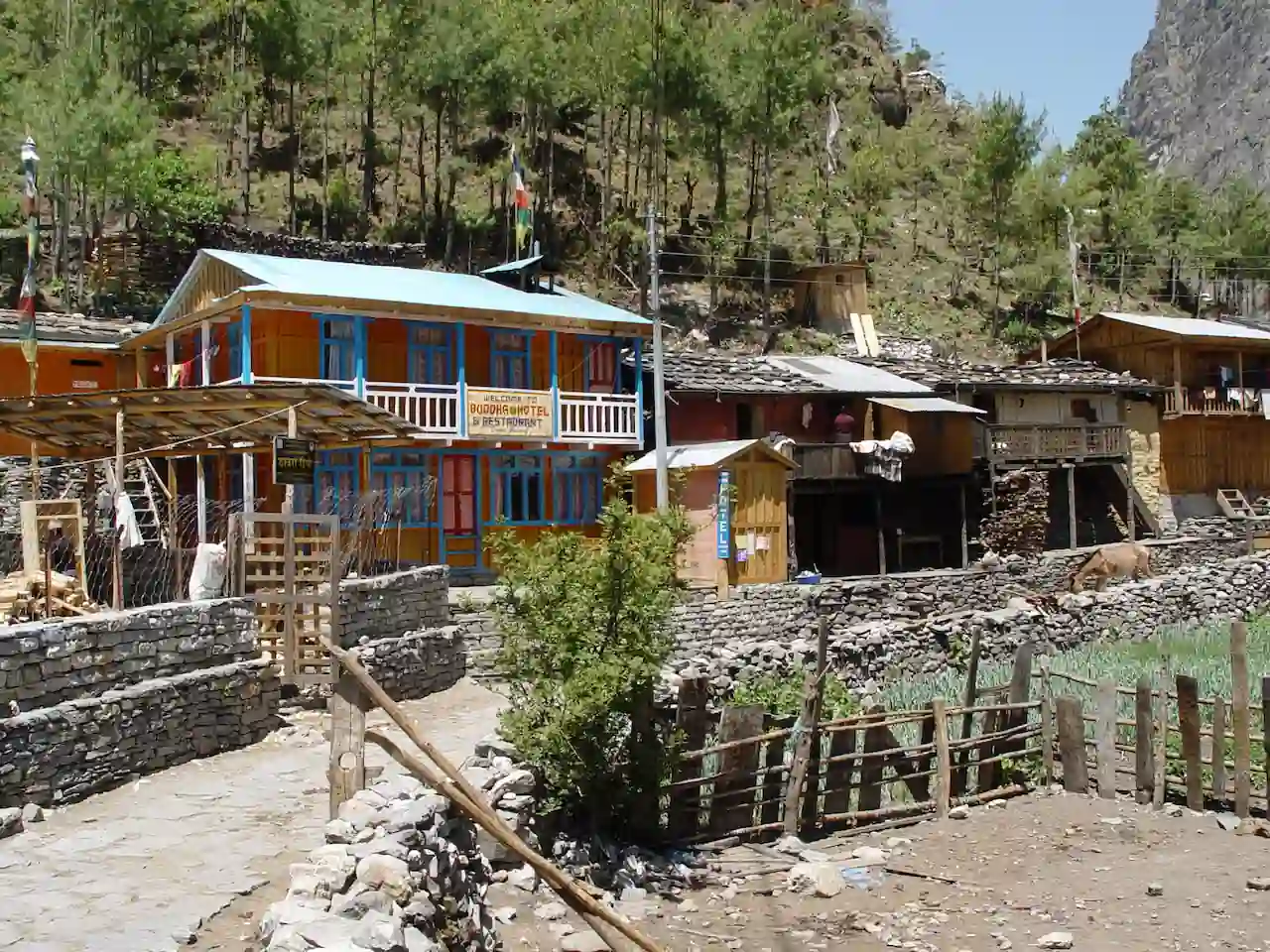
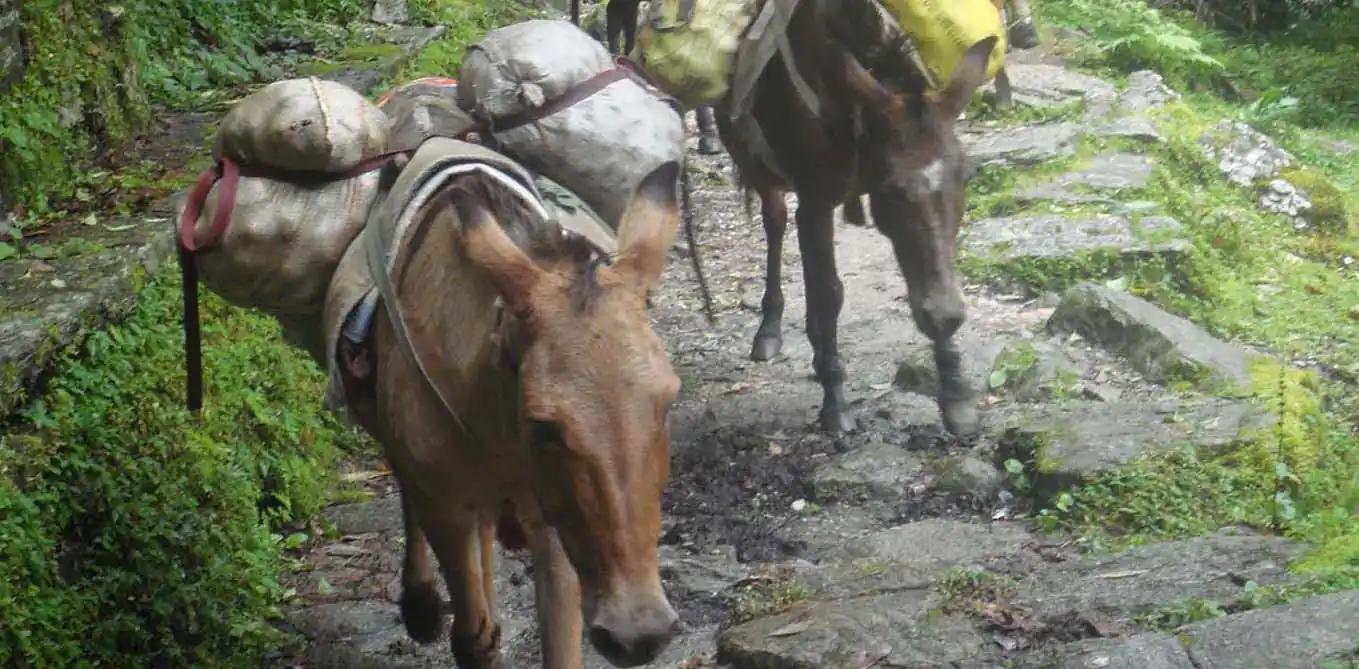
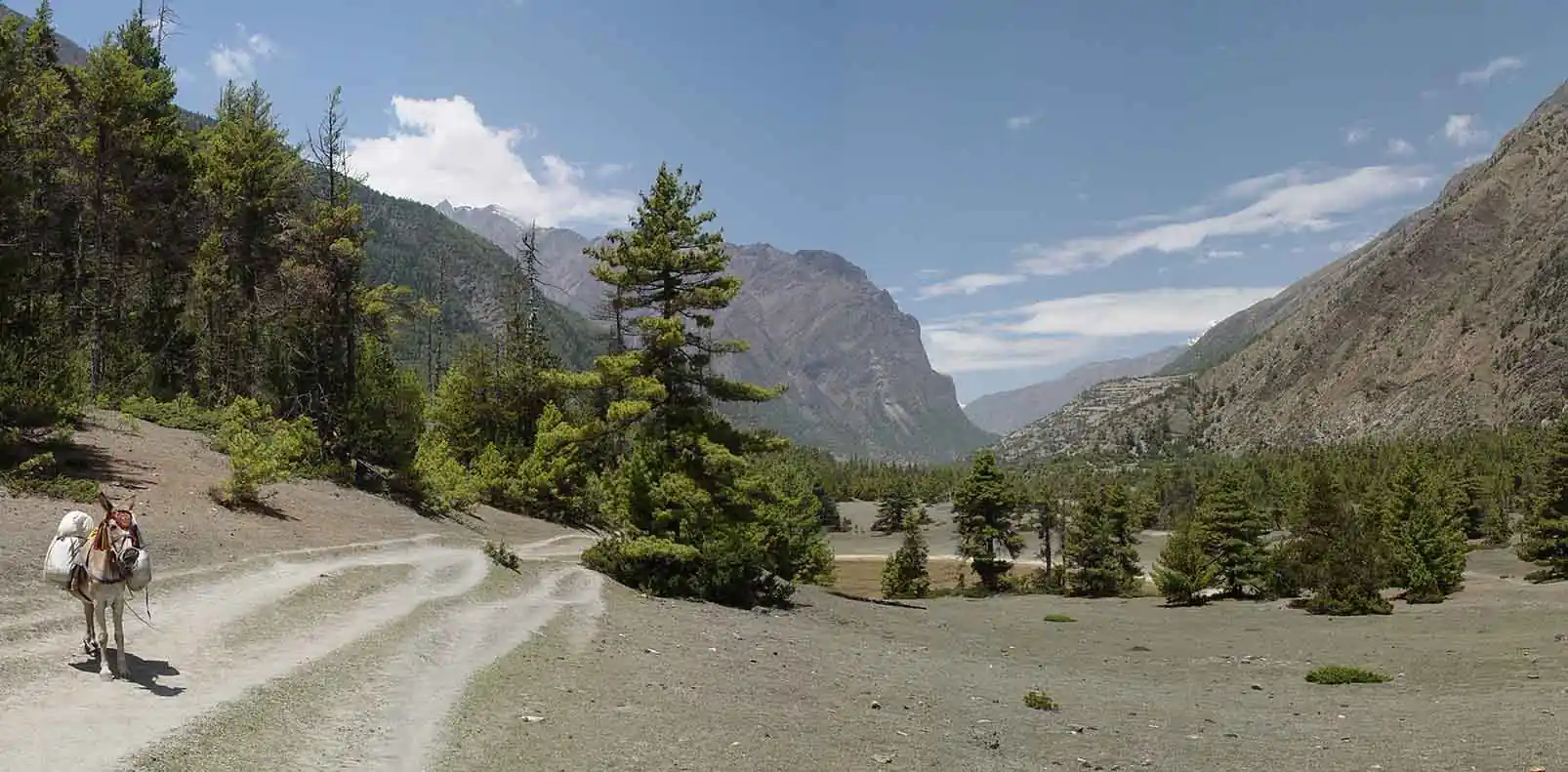
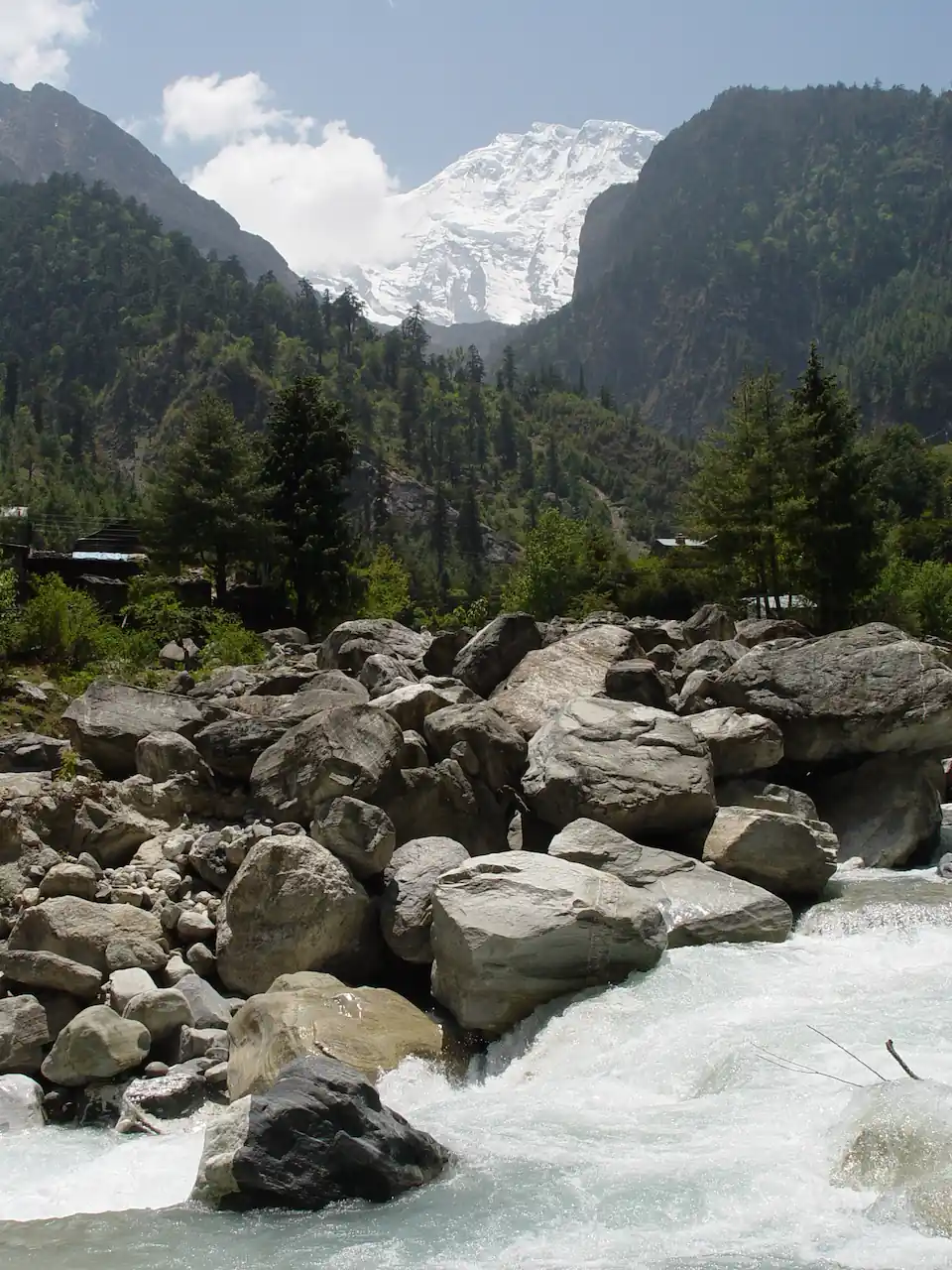
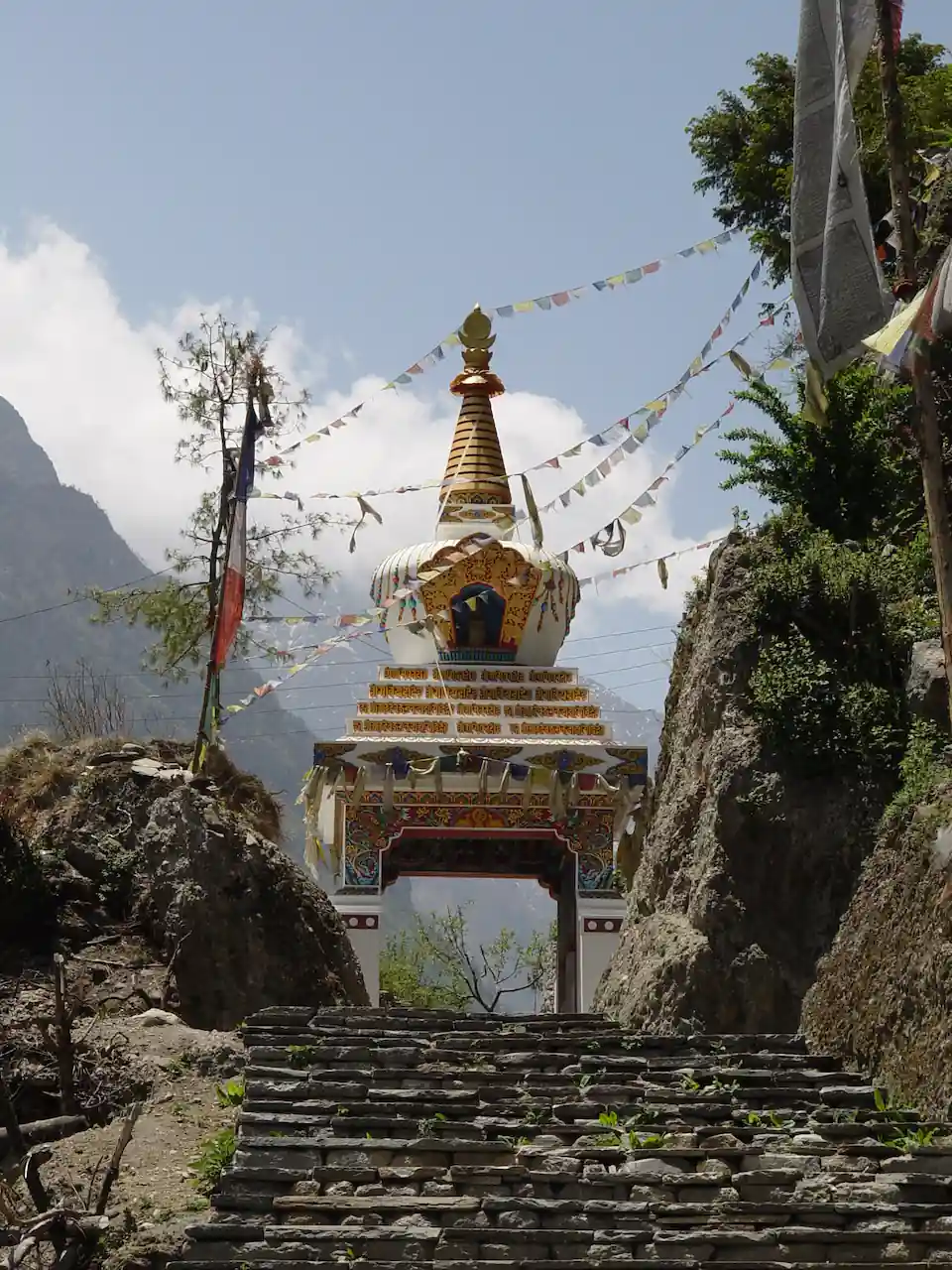
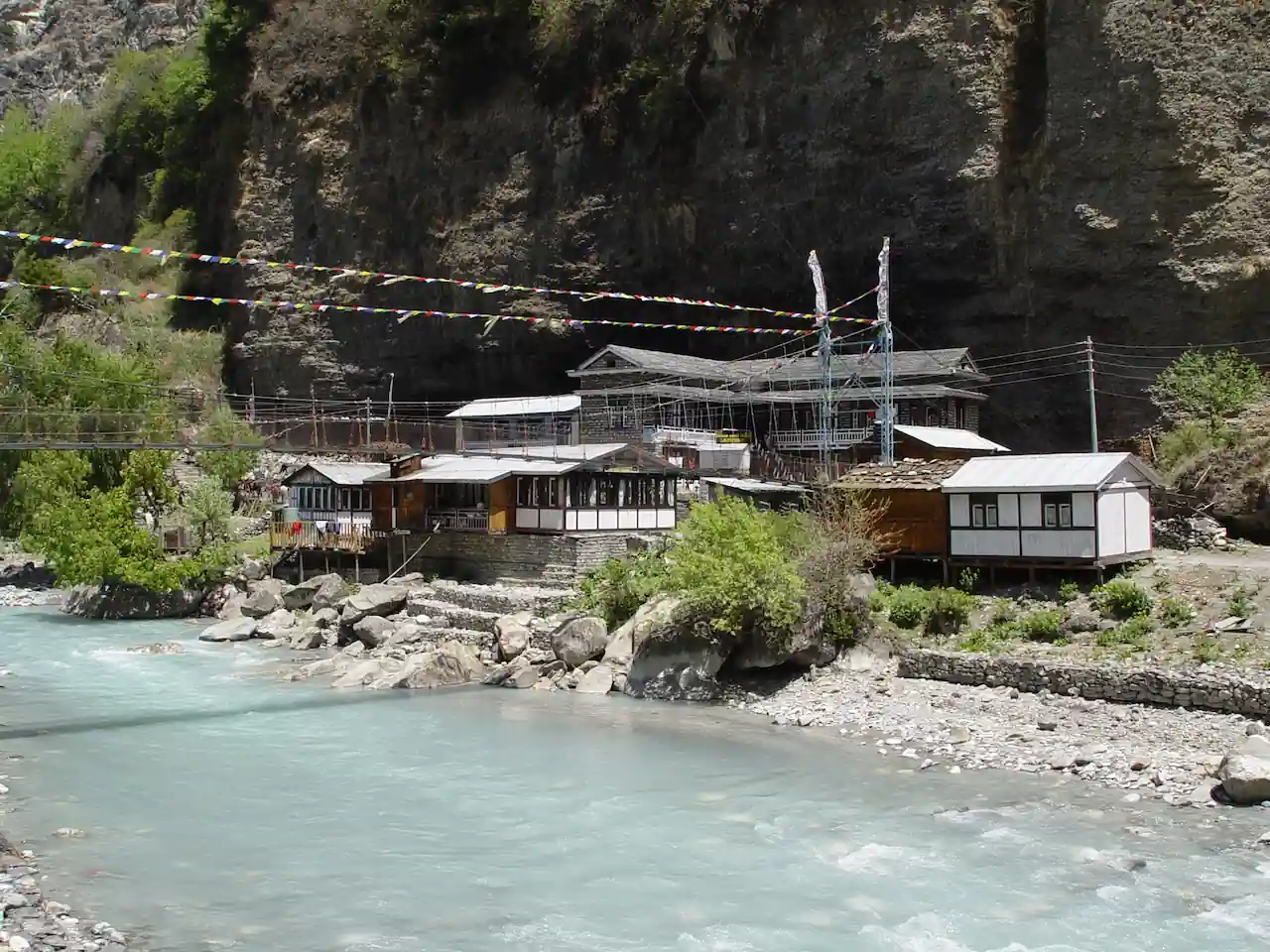
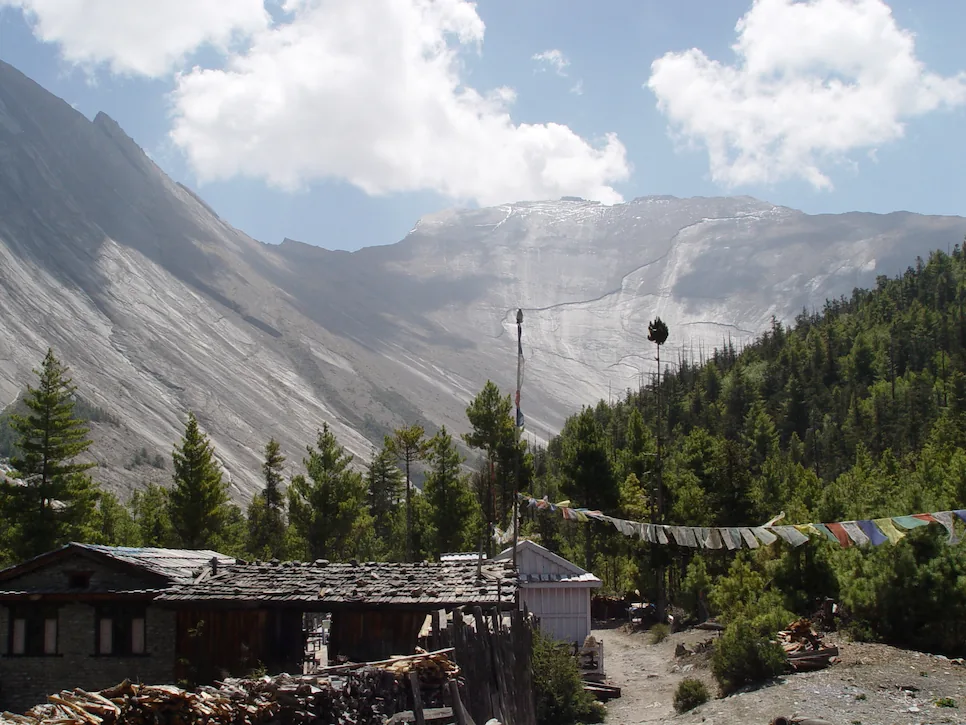
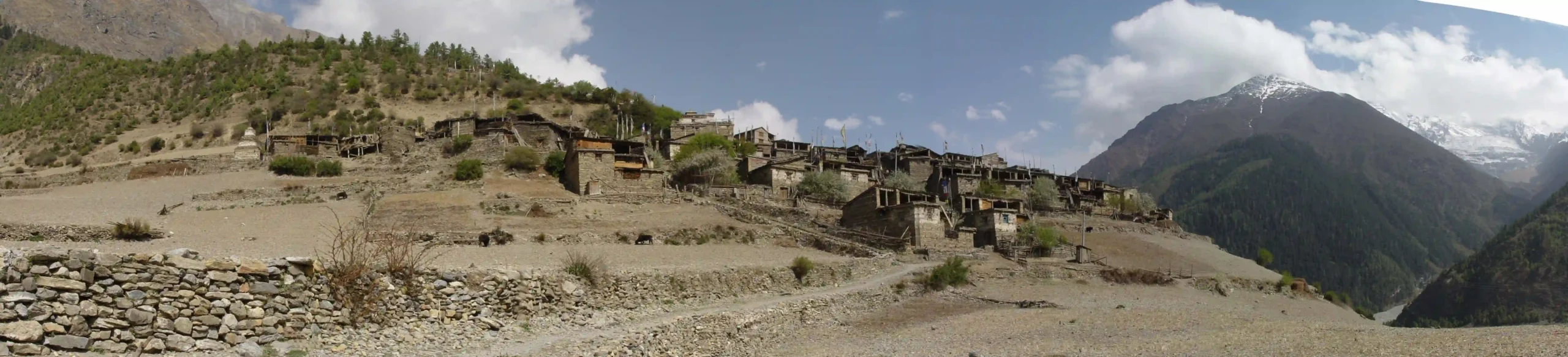
Trek Essentials
What to Pack for Annapurna Base Camp Trek
Packing appropriately makes the difference between enjoying and enduring your trek. Each item serves a purpose, so pack intentionally.
Clothing Layer System
- Long-sleeve thermal top (merino wool or synthetic)
- Thermal leggings/pants
- Avoid cotton (it absorbs sweat and dries slowly)
- Lightweight fleece jacket
- Heavy fleece or wool sweater
- Broken-in hiking boots (test these on training hikes)
- Merino wool socks (at least 3-4 pairs)
- Gaiters (protect ankles and pants from mud)
- Camp shoes/sandals for evening
- Sun hat with wide brim
- Warm hat/beanie (for cold)
- Gloves or mittens
- Buff or neck gaiter
- Sunscreen (SPF 50+, essential due to intense high-altitude UV)
- Lip balm with SPF
- Sunglasses (UV protected)
- Face wipes
- Daypack (20-30 liters)
- Trekking poles (reduce knee strain)
- Sleeping bag (if not provided)
- Water bottle or hydration system
- Headlamp with extra batteries
- Camera or smartphone
- Toothbrush and toothpaste
- Biodegradable soap
- Medications (personal + first aid basics):
- Pain reliever (ibuprofen or paracetamol)
- Antacid (altitude affects digestion)
- Antibiotic ointment (for cuts)
- Blister treatment supplies
- Any personal medications
- Feminine hygiene products, if needed
- Basic first aid supplies
- Passport (6-month validity)
- Travel insurance documents
- Trek confirmation
- Cash in Nepali Rupees (ATMs available in Pokhara)
- Credit card as backup
- Portable power bank (for phone charging)
- Earplugs (teahouses can be noisy)
- Sleep mask (for early sunrise hikes)
- Journal and pen
- Prayer flag or small offering
- Cotton clothing
- Heavy jeans
- Too many shoes
- Excess jewelry
- Heavy books
- More than 9-10kg in your pack
Final Thoughts: Your Annapurna Adventure Awaits
The Annapurna Base Camp trek is more than a hiking trip. It’s an opportunity to test yourself, experience mountain beauty, and connect with a culture that’s maintained its traditions for generations.
Whether this is your first high-altitude trek or you’re an experienced mountaineer, the Annapurna Base Camp trek offers something special. The difficulty level is perfectly calibrated—challenging enough to feel like an accomplishment, achievable enough to be encouraging rather than discouraging.
The mountains don’t care about your background or resume. They offer only beauty and challenge, expecting respect and proper preparation. What you’ll discover on the trail—both about Nepal and about yourself—is worth the effort.
Standing at Annapurna Base Camp at 4,130 meters, surrounded by some of the world’s highest mountains, you’ll understand why people keep returning to the Himalayas. The experience transforms. The memories last. The friendships made stay with you.
Ready to trek Annapurna? Start your training, book your dates, and prepare for one of life’s genuinely transformative experiences. The mountains are waiting.
Client's Testimonials
Sarah Johnson
Michael Chen
Your Adventure to Annapurna Base Camp Trek Starts Here
Start your journey with trusted local experts and discover the beauty, culture, and adventure waiting in the Himalayas and beyond.
Frequently Asked Questions
Everything you need to know about the AASRA ECO TREK
The Annapurna Base Camp trek is moderate difficulty. Most fit people can succeed with proper training. If you can walk 5-6 hours on consecutive days and climb 500+ meters daily, you can likely do this trek. Start training 3+ months before. If in doubt, consult your doctor.
Altitude sickness (AMS) occurs when your body struggles with thin air. Symptoms include headache, nausea, fatigue, dizziness. At 4,130 meters, about 20-25% of trekkers experience mild symptoms. Prevent it through slow ascent (the itinerary includes proper acclimatization), staying hydrated, and eating well. Tell your guide immediately if symptoms appear.
Most days are 3-5 hours of trekking. The longest day is 4-5 hours (final day to base camp). Daily trekking times vary based on pace and terrain difficulty.
Teahouse food is generally safe. Drinking water is boiled at teahouses. Avoid tap water and stick to boiled or bottled water. Your stomach might need adjustment to new cuisine, but serious illness is rare with proper precautions.
Always trek with a qualified guide—never solo trek. Group treks (8-15 people) offer companionship and slightly lower costs. Private treks (1-5 people) offer flexibility. Either way, a guide is essential for safety, route knowledge, and cultural interpretation.
Tell your guide immediately. Symptoms include headache, nausea, fatigue, dizziness. Your guide can: (1) Adjust pace, (2) Provide oxygen if available, (3) Arrange descent if necessary. Don’t push through worsening symptoms—descend immediately if symptoms intensify.
Annapurna Base Camp (7-10 days, 4,130m) is shorter, lower altitude, and less challenging than Everest Base Camp (12-14 days, 5,364m). Annapurna is better for first-time high-altitude trekkers. Everest is more famous but requires more fitness and acclimatization
Book 2-3 months in advance for spring/fall. Summer/winter can be booked closer to travel. Most companies require 30-50% deposit
Travel insurance is essential. Your insurance must cover high-altitude trekking (many basic policies exclude activity above 4,000m). Rescue insurance is also recommended for mountain emergencies.
Cellular service is limited and unreliable above 2,500m. Internet is available at some teahouses for a small fee but is slow. Plan to be largely disconnected during trekking days. This is often appreciated as a digital detox.
Guides typically receive 10-15% of trek cost as tip. Porters receive US$5-10 per day. These aren’t legally required but are important for supporting people who enable your trek. Generous tipping is appreciated and customary.