 Plan Your Trip
Everest Panorama Trek — 11 Days
Trip Overview

Trek Region
Everest

Difficulty Level
Moderate

City Accommodation
3 Nights at 3-Star Hotel

Trek Starts at
Lukla

Transport
Flight
Mountain Accommodation
6 Nights at Tea House

Trek Ends at
Lukla

Total Trip Duration
11 Days

Tented Accommodation
1 Night

Max Elevation
3,880 m

Trekking Duration
6 Days 5 Nights

Meals
B-City / BLD-Mountain
Trip Highlights
- Experience Mount Everest views without extreme altitude, standing at 3,880 meters at Everest View Hotel with the world’s highest mountain dominating your panoramic vista, without the physical demands of base camp trekking.
- Fly into Lukla, one of the world’s most dramatic mountain airports perched at 2,860 meters on a mountainside, an adventure in itself with breathtaking views during the 30-minute flight from Kathmandu.
- Trek through authentic Sherpa villages including Namche Bazaar, Khumjung, and Khunde where Buddhist culture remains deeply embedded in daily life, with prayer flags, monasteries, and genuine mountain hospitality.
- Visit sacred Buddhist monasteries at Tengboche, Pangboche, and other locations adorned with ancient artifacts, prayer wheels, and spiritual atmospheres that connect you to Himalayan Buddhist traditions centuries old.
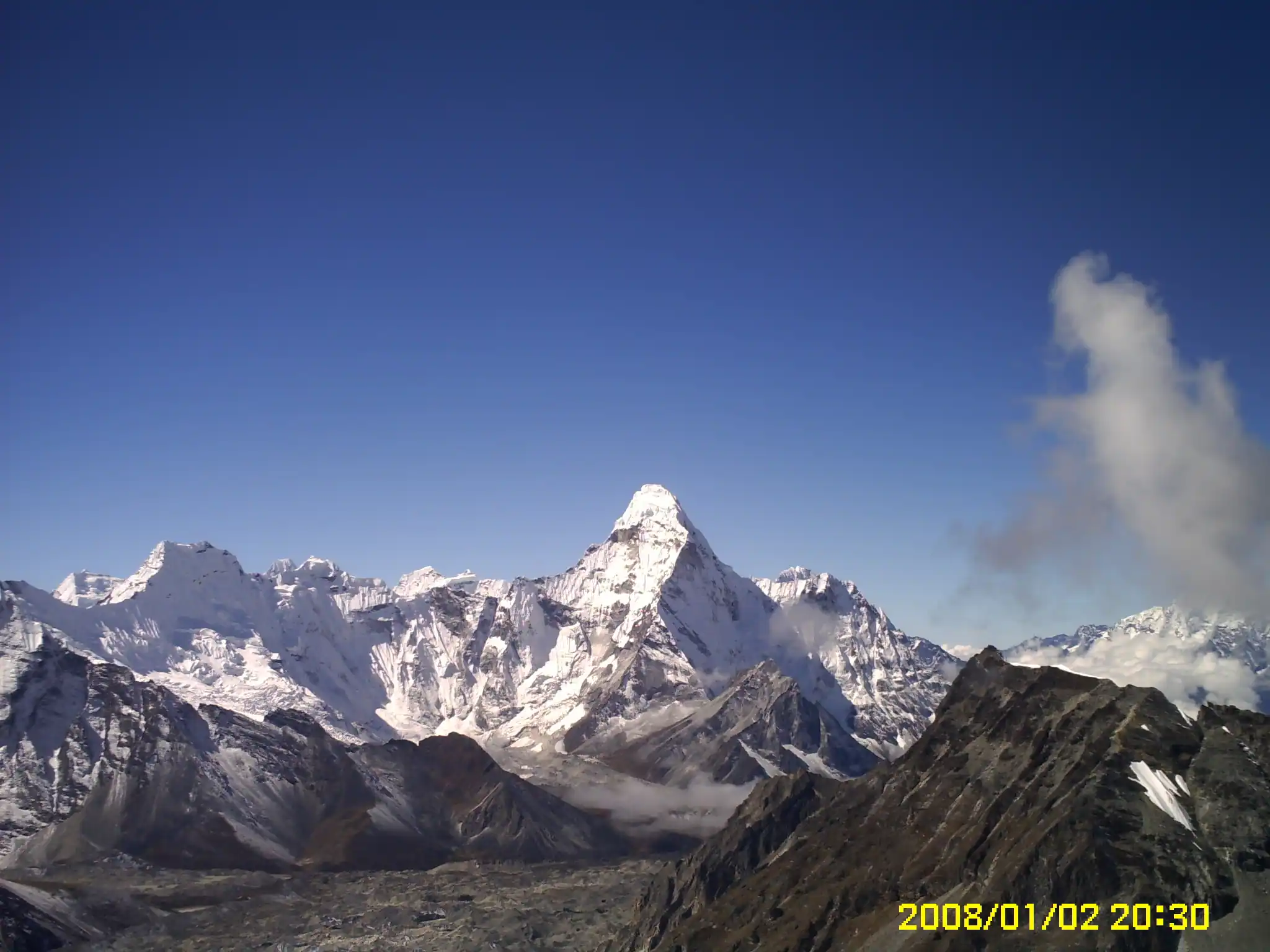
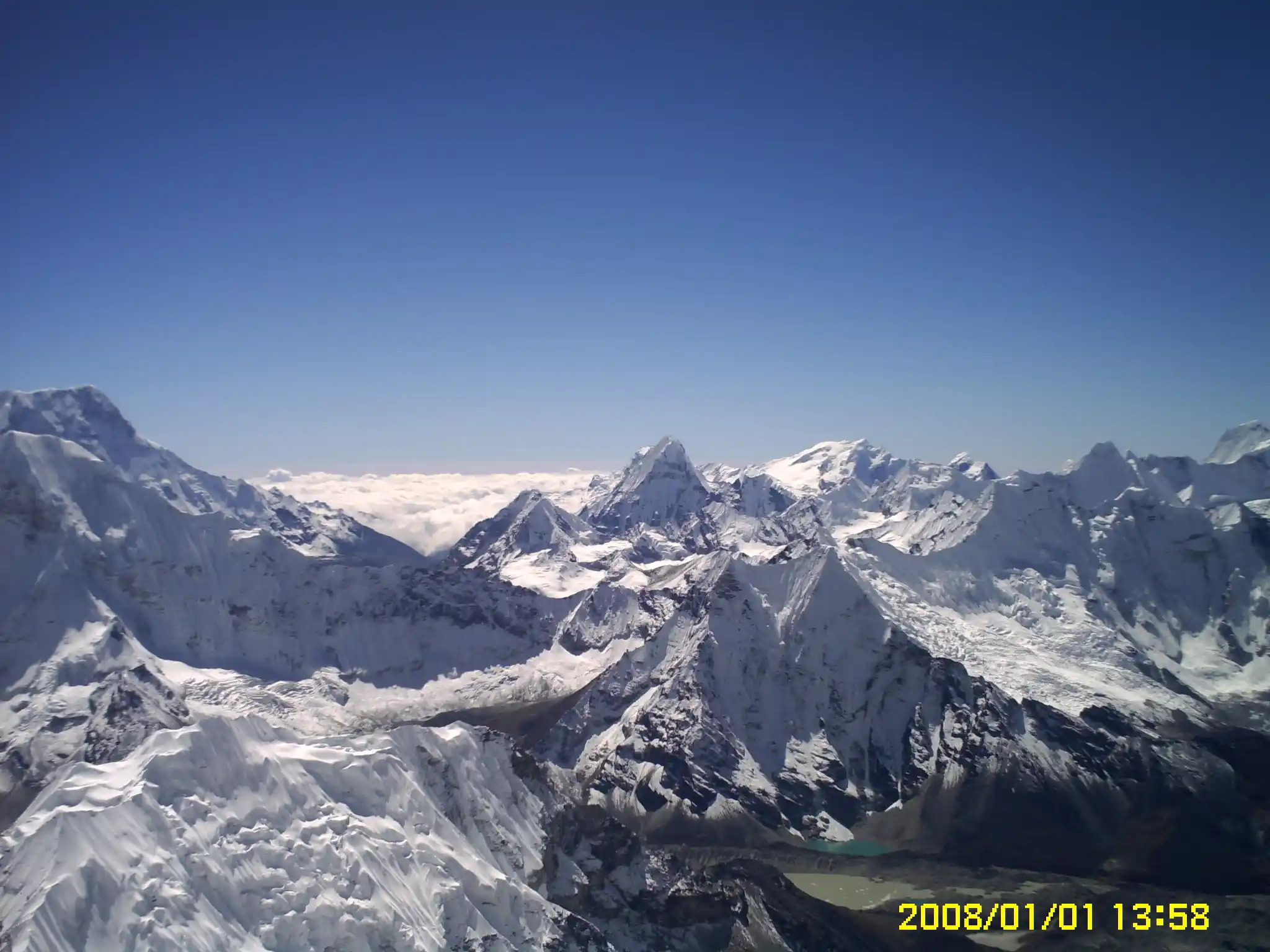
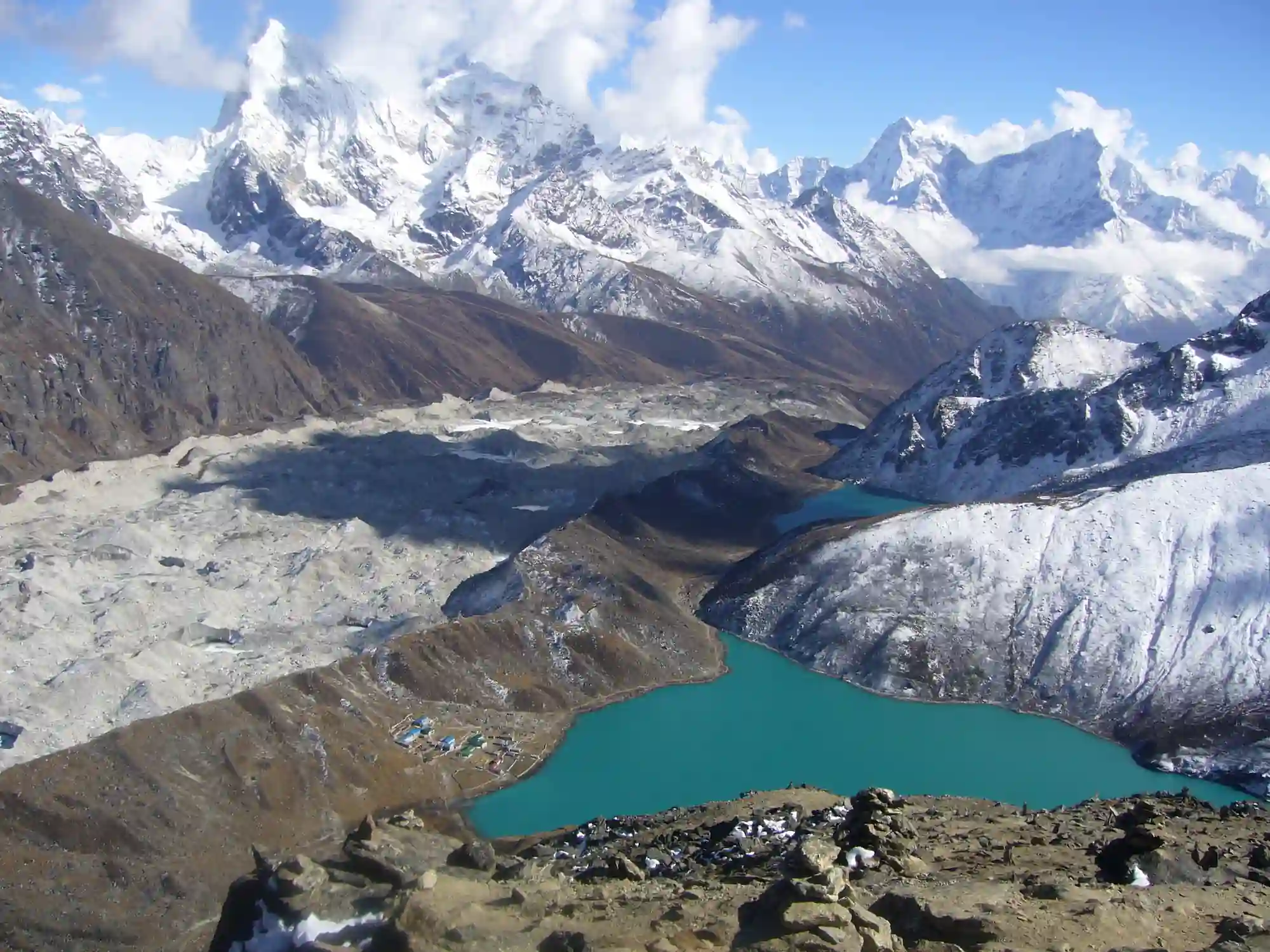
- Witness multiple iconic Himalayan peaks including Mount Everest (8,849m), Ama Dablam (6,812m), Lhotse (8,516m), Nuptse (7,861m), and Makalu (8,463m) from various vantage points throughout your trek.
- Walk through rhododendron forests in spring (March-May) when hillsides explode with pink, red, purple, and white blooms creating magical forest corridors framing every mountain view.
- Explore the Everest region efficiently in just 11 days total (6 days actual trekking), making this trek perfect for trekkers with limited time who want authentic high-altitude mountain experience without extreme duration or altitude demands.
- Enjoy moderate altitude acclimatization reaching only 3,880 meters at maximum elevation, avoiding extreme altitude sickness risk while still experiencing genuine high-altitude Himalayan landscape and culture.
- Stay in family-run teahouses where Sherpa hosts prepare hearty meals over open fires, sharing stories and perspectives on mountain life, providing cultural immersion rarely found in standard tourism.
- Experience sunrise at Everest View Hotel watching Mount Everest emerge from darkness in golden light, one of the Himalayas’ most iconic and photographable moments accessible without extreme altitude stress.
Trip Summary
Why Choose the Everest Panorama Trek
The Everest Panorama Trek is the perfect compromise for trekkers seeking authentic Everest region experience without the extreme altitude demands of the Everest Base Camp trek. This 11-day adventure (6 days actual trekking) takes you to 3,880 meters at Everest View Hotel where Mount Everest dominates your panoramic vista—an extraordinary mountain experience achievable for fit but non-mountaineering trekkers.
Unlike the Everest Base Camp trek requiring 18 days and reaching 5,364 meters with significant altitude sickness risk, the Everest Panorama Trek is perfectly paced. You get genuine Everest region experience—authentic Sherpa villages, sacred monasteries, stunning mountain views—without the extreme physical and altitude demands. You don’t need months of training or extreme fitness. Yet the rewards are extraordinary. You’ll stand at nearly 4,000 meters with Mount Everest filling your vision, experience Sherpa culture authentically, and achieve something genuinely difficult but totally manageable.
The trek’s efficiency makes it ideal for trekkers with limited vacation time. Six trekking days across 11 total days (including Kathmandu acclimatization and rest) provides perfect pacing. You’ll visit Namche Bazaar, the gateway to the Everest region, trek through rhododendron forests, visit ancient monasteries, and stand at Everest View Hotel with the world’s highest mountain visible.
The Everest Panorama Trek works for group treks or solo trekkers, with flexible group sizing from 1 to 20+ people. This makes it accessible to solo travelers, couples, families, or large organized groups. Whether you’re a first-time high-altitude trekker, have limited vacation time, or want an authentic mountain experience without extreme altitude stress, the Everest Panorama Trek delivers.
What Makes the Everest Panorama Trek Special:
- Perfect difficulty for moderate fitness trekkers
- Exceptional Everest views without extreme altitude
- Authentic Sherpa culture and monastery visits
- Efficient 11-day total duration with 6 trekking days
- Flexible group sizing (1-20+ people)
- Moderate altitude (max 3,880m) with minimal sickness risk
- Well-established infrastructure and teahouse accommodations
- Iconic sunrise views from Everest View Hotel
- Access to major Everest region attractions
- Achievable for first-time high-altitude trekkers with reasonable fitness
- 85-95 kilometer total trekking distance, manageable daily distances
When To Visit
The Everest Panorama Trek can be trekked year-round, but seasonal variations significantly affect visibility, weather conditions, and crowding. Spring and fall offer optimal conditions for first-time trekkers.
Itinerary
Your Everest Panorama Trek begins in Kathmandu, Nepal’s vibrant capital city. If arriving by international flight, you’ll land at Tribhuvan International Airport. Transfer to your hotel and rest from travel fatigue.
Kathmandu is a fascinating city where ancient temples stand beside modern buildings, creating an energetic cultural landscape. The afternoon is free to adjust to local time and explore at leisure. Most hotels offer airport transfer services. Use this time to visit a local restaurant, walk around your hotel area, and begin adjusting to Nepal’s culture and altitude (Kathmandu sits at 1,400 meters).
This day is crucial for logistical preparation. Confirm final trek details with your guide, ensure all equipment is assembled, and get adequate rest before your journey ahead. Many trekkers use this evening to finalize packing, break in hiking boots if necessary, and mentally prepare for the trek.
Elevation: 1,400m | Walking: None (Travel only) | Accommodation: Hotel | Meals: Dinner
Spend a full day exploring Kathmandu’s cultural landmarks. This acclimatization day allows you to adjust to Nepal’s time zone, test your gear, and mentally prepare for mountain trekking.
Morning Activity: Visit Pashupatinath Temple, one of Hinduism’s holiest temples, located on the banks of the Bagmati River. The temple complex is dramatic, culturally significant, and offers insight into Nepal’s religious diversity.
Late Morning Activity: Explore Boudhanath Stupa, one of the world’s largest Buddhist stupas. The mandala-shaped structure is adorned with prayer wheels and surrounded by monasteries. Walking clockwise around the stupa is meditation practice for Buddhists and visitors alike.
Afternoon Activity: Visit Swayambhunath Stupa (Monkey Temple), perched on a hilltop overlooking the Kathmandu Valley. The temple complex dates back centuries and offers panoramic valley views, ancient monasteries, and resident monkeys.
Evening Activity: Rest at your hotel, enjoy traditional Nepali dinner, and prepare your trek bag with your guide’s assistance. Ensure hiking boots are broken in and all equipment is tested.
This day helps your body adjust to altitude while allowing you to experience Kathmandu’s spiritual dimensions before focusing entirely on mountain trekking.
Elevation: 1,400m | Walking: 3-4 hours of sightseeing | Accommodation: Hotel | Meals: BLD
Today is your first taste of mountain life. You’ll fly from Kathmandu to Lukla, one of the world’s most dramatic mountain airports, then begin your Everest Panorama Trek.
The flight from Kathmandu to Lukla (30 minutes) is an adventure itself. Small twin-engine aircraft navigate through Himalayan foothills, descending toward an airstrip so steep and short that it seems impossible—yet experienced Himalayan pilots land it routinely. The runway is 527 meters long on a 12% slope. Landings are thrilling; takeoffs equally dramatic.
Upon arrival in Lukla (2,860m), you’ll immediately feel the altitude change. The air is thinner, temperature cooler, and landscape completely transformed from Kathmandu. Lukla is a bustling mountain town where trekkers, climbers, Sherpas, yaks, and mules create organized chaos.
From Lukla, you trek to Phakding (2,610m), a relatively easy first day of 3-4 hours. The trail descends slightly from Lukla, passing through forests and crossing suspension bridges over mountain rivers. You’ll notice the immediate environment change—lush forests, mountain streams, and first views of mountain peaks.
Phakding is a small village with several teahouses. It’s an ideal first-night location because it’s close enough to Lukla to be manageable but allows acclimatization before higher elevations. Your teahouse in Phakding will be basic but welcoming—your first experience with mountain hospitality.
Elevation: 2,610m | Walking: 3-4 hours | Distance Covered: 10-12 km | Accommodation: Teahouse | Meals: B-City / BLD-Mountain
Today is a longer, more challenging trek of 5-6 hours, gaining significant elevation as you approach Namche Bazaar (3,440m), the gateway to the Everest region.
The trek from Phakding follows the Dudh Koshi River upward through mixed forests. The trail is well-established but involves constant climbing. You’ll cross numerous suspension bridges over rushing mountain streams, each offering views of dramatic gorges and waterfalls.
As you climb, vegetation gradually transitions. Lower-elevation subtropical forests give way to mixed forests with rhododendrons and conifers. Temperature cools noticeably. You’ll begin experiencing altitude effects—shortness of breath, slightly slower pace, increased heart rate during climbs.
The final approach to Namche involves steep switchbacks climbing 600 meters in the final 2 kilometers. This section is challenging but manageable. Many trekkers experience their first real taste of altitude here, noticing breathing becomes labored.
Namche Bazaar is dramatically perched on a horseshoe-shaped hillside at 3,440 meters. The town is the commercial and cultural hub of the Everest region. Countless teahouses, shops, restaurants, and lodges cater to trekkers. The main bazaar street winds upward with steep steps connecting different levels.
Namche is where you first encounter Sherpa culture authentically. You’ll see prayer flags, meet Sherpa families, and witness infrastructure supporting mountaineering in the Everest region.
Elevation: 3,440m | Walking: 5-6 hours | Distance Covered: 15-18 km | Accommodation: Teahouse | Meals: BLD
Today’s trek (4-5 hours) takes you from Namche through Khumjung village to Everest View Hotel (3,880m), the trek’s highest point and your destination for the iconic Everest views.
From Namche, you ascend steeply to Khumjung (3,680m), a traditional Sherpa village with stone houses, prayer flags, and a famous monastery. Khumjung offers excellent views and more authentic village feel than commercialized Namche. The village is home to the Sherpa Cultural Museum and the monastery containing a “yeti scalp” (actually a serow hide, though some trekkers prefer the mystery).
From Khumjung, you continue to Everest View Hotel (3,880m). The trek involves ascending through forests then emerging onto open hillsides with expanding mountain views. The air noticeably thins—you’ll feel the altitude more acutely now.
Everest View Hotel (3,880m) is the highest permanent hotel in the world by some measures. Despite its name, it’s a luxury teahouse with hot showers, decent food, and comfortable beds—a welcome contrast to basic mountain teahouses. Most importantly, the location offers extraordinary Mount Everest views. On clear days, the world’s highest mountain dominates your panoramic vista, visible from multiple vantage points around the hotel.
The hotel sits at the gateway to extreme altitude without requiring the physical demands of base camp trekking. You’re at genuine high altitude (3,880m) yet still with reasonable accommodations and manageable physical stress.
Elevation: 3,880m | Walking: 4-5 hours | Distance Covered: 12-15 km | Accommodation: Everest View Hotel | Meals: BLD
At 3,880 meters, you have a full acclimatization day to experience Everest View Hotel thoroughly and witness iconic sunrise views.
Pre-Dawn Activity: Wake before sunrise (around 5:00 AM) and climb to nearby viewpoints for sunrise views of Mount Everest. As the sun rises, Everest gradually illuminates—first the summit catching light, then the entire mountain revealing itself. The experience is profoundly moving.
Morning Activity: After sunrise and breakfast, explore the hotel grounds and surrounding areas. The hotel has excellent viewing platforms with panoramic vistas of Mount Everest, Ama Dablam, Lhotse, and surrounding peaks. Photograph the mountains from different angles, observe weather patterns, and simply absorb the experience.
Optional Activity: Short acclimatization hike to a nearby ridge or viewpoint (1-2 hours, returning to hotel). Many trekkers use this day for short hikes at similar or slightly higher elevation, practicing “climb high, sleep low” acclimatization principle.
Afternoon Activity: Rest at the hotel, hydrate thoroughly, and eat well. At 3,880 meters, appetite often decreases—eat anyway, as your body needs fuel. The hotel has better food options than basic teahouses, allowing you to enjoy your meals while acclimatizing.
Evening Activity: Watch sunset from the hotel, photograph the mountains in changing light, and rest. Sleep well at this altitude—you’ve earned it.
This acclimatization day is crucial. At 3,880 meters, you’re at genuine high altitude, and your body needs time to adapt. The relaxed pace, comfortable accommodation, and excellent mountain views make this one of the trek’s most memorable days.
Elevation: 3,880m | Walking: Optional 1-3 hours for sunrise and exploration | Accommodation: Everest View Hotel | Meals: BLD
Today’s trek (4-5 hours) descends from Everest View Hotel back through Khumjung then climbs to Tengboche (3,867m), a sacred monastery location.
From Everest View Hotel, you descend to Khumjung, retracing part of your previous day’s route but experiencing different perspectives and scenery. The descent is relatively easy on your legs after the previous day’s climbing.
From Khumjung, you continue descending to cross the Dudh Koshi valley before climbing to Tengboche (3,867m), a traditional Sherpa village famous for its ancient Buddhist monastery—one of the oldest and most significant in the Everest region.
Tengboche sits on a ridge with stunning views of Mount Everest, Ama Dablam, and surrounding peaks. Prayer flags frame the monastery, creating one of the region’s most photographed locations. The monastery itself is worth exploring—ancient artifacts, prayer wheels, and Buddhist spiritual atmosphere.
Tengboche is a natural stopping point for trekkers and maintains a peaceful atmosphere despite being on the main trekking route. The village has several good teahouses with reasonable accommodations and food.
Elevation: 3,867m | Walking: 4-5 hours | Distance Covered: 14-16 km | Accommodation: Teahouse | Meals: BLD
Today’s trek (5-6 hours) takes you from Tengboche through Pangboche village before returning to Namche Bazaar (3,440m), descending from high altitude back to more comfortable elevation.
From Tengboche, you descend to cross the Imja Khola river before climbing steeply to Pangboche (3,985m), a traditional Sherpa village with another ancient monastery. Pangboche sits on a hillside surrounded by forests and offers beautiful mountain views.
From Pangboche, you begin your descent back toward Namche Bazaar. The descent is longer (3-4 hours) but mostly downhill, allowing your body to recover oxygen levels more rapidly. You pass through familiar terrain but experience it differently descending versus ascending.
By the time you reach Namche Bazaar, the air at 3,440m feels noticeably richer in oxygen. You’ll notice your breathing eases, fatigue decreases, and appetite improves significantly.
Use the evening in Namche to rest, enjoy good teahouse food, and prepare for your final trekking days. Many trekkers report sleeping better at lower elevations after days at extreme altitude.
Elevation: 3,440m | Walking: 5-6 hours | Distance Covered: 16-18 km | Accommodation: Teahouse | Meals: BLD
Today’s trek (4-5 hours) descends from Namche Bazaar back to Phakding (2,610m), retracing your upward route but experiencing it differently.
The descent follows the Dudh Koshi River downward through mixed forests. The trail is well-established and mostly downhill. You’ll cross suspension bridges again—they feel less dramatic descending than ascending. The vegetation becomes noticeably denser and greener as you descend.
Your knees will likely feel the cumulative effects of trekking by this point. Trekking poles help reduce impact on joints during descent. Take your time and enjoy the ease of downhill walking compared to your ascent.
By Phakding, the air at 2,610m feels pleasantly thick and warm after days at higher elevations. You’re clearly in the process of returning from the mountains.
Elevation: 2,610m | Walking: 4-5 hours | Distance Covered: 15-18 km | Accommodation: Teahouse | Meals: BLD
Today’s short trek (3-4 hours) takes you from Phakding back to Lukla (2,860m), completing your Everest Panorama Trek.
The trek retraces your first day’s route but feels entirely different. On Day 3, this section was challenging as your body adjusted to altitude and mountain trekking. Now, after 6 days of trekking including time at 3,880 meters, this section feels relatively easy.
You’ll recognize landmarks from your first day—the same rivers, forests, and villages. But your perspective has been transformed by your experience at Everest View Hotel and throughout the Everest region.
Arriving in Lukla marks completion of your Everest Panorama Trek. You’ve successfully trekked through the Everest region, experienced authentic Sherpa culture, visited sacred monasteries, and stood at 3,880 meters with Mount Everest dominating your vista. The achievement feels real as you settle into a Lukla teahouse for your final night before flying back to Kathmandu.
Use the evening in Lukla to rest, celebrate your achievement with your guide, and process your experience. Many trekkers feel mixed emotions—accomplishment at completing the trek, sadness it’s ending, relief that physical demands are behind them, and anticipation of returning to lower altitude.
Elevation: 2,860m | Walking: 3-4 hours | Distance Covered: 10-12 km | Accommodation: Teahouse | Meals: BLD
Today you’ll fly from Lukla back to Kathmandu, reversing the flight that started your trek 8 days ago.
The flight from Lukla to Kathmandu (30 minutes) offers spectacular views of the mountains you’ve trekked through. If weather cooperates and you sit on the correct side of the aircraft, you may see Mount Everest from the air—a different perspective on the mountain you’ve experienced up close.
Upon arrival in Kathmandu, transfer to your hotel or directly to Tribhuvan International Airport depending on your flight departure time. The contrast between Lukla’s thin mountain air and Kathmandu’s lower elevation and thick urban atmosphere is striking. Many trekkers feel disoriented by the change—the air feels heavy, noises seem loud, and the transition from mountain silence to city chaos can be jarring.
If you have time before your international flight, rest and recover from your trek. The trek is complete. You’ve experienced the Everest region, summited 3,880 meters at Everest View Hotel, witnessed authentic Sherpa culture, and stood with Mount Everest filling your vision.
Elevation: 1,400m (Kathmandu) | Walking: None (Travel only) | Accommodation: Hotel (if overnight) | Meals: Breakfast
Trek Difficulty & Physical Demands
The Everest Panorama Trek is classified as moderate difficulty. It’s significantly easier than the Everest Base Camp trek due to lower maximum altitude (3,880m vs 5,364m), shorter trekking duration (6 days vs 12+ days), and less extreme altitude stress. It’s achievable for trekkers with good fitness but without mountaineering training.
Elevation Profile
- Starting elevation: 1,400m (Kathmandu) / 2,610m (Phakding)
- Highest elevation: 3,880m (Everest View Hotel)
- Total elevation gain: Approximately 2,500-3,000 meters (over full trek)
- Elevation loss: Approximately 2,500-3,000 meters (returning)
Daily Challenges
- Most trekking days: 3-6 hours of hiking
- Daily elevation gain: 200-600 meters typical
- Terrain variety: Forests, alpine meadows, open hillsides
- Altitude effects: Noticeable at 3,440m, moderate at 3,880m
- Most challenging day: Day 4 (Phakding to Namche Bazaar) with 5-6 hours and 830m elevation gain
Altitude Impact
- Maximum elevation: 3,880 meters (moderate altitude)
- Oxygen availability: Approximately 65% of sea-level oxygen at highest point
- Altitude sickness risk: Minimal to moderate (10-20% experience mild symptoms)
- Acclimatization strategy: Built-in acclimatization days at Namche and Everest View Hotel
- Physical effects: Mild shortness of breath, manageable fatigue, generally good sleep quality
Physical Fitness Requirements
- Walking capacity: Must comfortably walk 5-6 hours on consecutive days
- Elevation gain: Capable of climbing 500+ meters daily
- Cardiovascular fitness: Good aerobic fitness required
- Leg strength: Moderate strength, especially for descent
- No mountaineering skills required: This is trekking, not technical climbing
Who Should Trek Everest Panorama
- Fit individuals with regular exercise habits
- First-time high-altitude trekkers seeking shorter duration
- People with limited vacation time (11 days total)
- Those comfortable with 3-5+ hour daily walks
- Trekkers wanting Everest experience without extreme altitude
- Anyone willing to train 2-3 months beforehand
- Adventurers seeking moderate challenge with authentic mountain culture
Pre-Trek Training (Minimum 2-3 Months)
- Walk 10-15 kilometers on consecutive days on varied terrain
- Include hill/mountain walks with 500+ meter elevation gains
- Practice with weighted backpack (8-12kg)
- Cardio exercise: running, cycling, swimming, elliptical
- Leg strengthening: squats, lunges, step-ups
- Test all gear on practice hikes
- Build cardiovascular base before starting hill training
Best Time to Trek: Seasonal Comparison
Spring (March to May)
Rating: Excellent – Peak season with good reason. Weather is stable, visibility excellent, and rhododendrons bloom (March-April). Days are long (sunrise ~6:00 AM, sunset ~6:30 PM). Temperatures: daytime 12-18°C, nighttime -5 to 0°C at Everest View Hotel.
Advantages:
- Best visibility and clearest skies
- Most stable weather patterns
- Rhododendron flowers create beautiful forest scenery
- Long daylight hours for photography
- All teahouses fully operational
- Ideal for Everest View Hotel sunrise views
Disadvantages:
- Peak crowding on trails
- Highest prices of the year
- Must book weeks in advance
- More trekkers means less solitude
Summer/Monsoon (June to August)
Rating: Average – Monsoon brings occasional rain and clouds, reducing visibility. Lower elevations receive heavier rainfall. High-altitude areas often have clearer weather. Fewer trekkers create quiet trails and lower prices.
Advantages:
- Lowest prices of the year
- Fewest trekkers (quieter trails)
- Occasional clear days with spectacular views
- Lush green landscapes
Disadvantages:
- Frequent clouds and limited visibility
- Occasional rain, especially lower elevations
- Muddy trails in some areas
- Unpredictable weather
- Some teahouses may have reduced services
Fall/Autumn (September to November)
Rating: Excellent – Many consider fall the best season. Post-monsoon clear skies offer exceptional visibility. Days are sunny and comfortable (10-15°C), nights cool but manageable (-5 to 0°C). Air clarity is extraordinary.
Advantages:
- Exceptional mountain visibility
- Stable, predictable weather
- Comfortable temperatures
- Fewer crowds than spring
- Lower prices than spring
- Perfect for photography
- Outstanding starscapes at night
Disadvantages:
- Still relatively busy (peak season)
- Popular dates book quickly
- Possible early snow in November at highest elevations
Winter (December to February)
Rating: Challenging – Cold temperatures and possible snow at higher elevations. Lower elevations can be pleasant. Extreme clarity appeals to hardy trekkers.
Advantages:
- Minimal crowds (near solitude possible)
- Lowest prices
- Extreme clarity and visibility
- Unique snow-covered landscapes
- Outstanding starscapes
Disadvantages:
- Cold temperatures (-10 to -20°C+ possible)
- Possible snow and ice at 3,880m
- Shorter daylight hours
- Weather delays possible
- Some teahouses may close
Recommendation: Spring or fall for first-time trekkers. Fall slightly better for weather stability and fewer crowds. Spring offers longest days and most consistent weather. Winter only for hardy adventurers. Summer not recommended for visibility-dependent experiences.
Booking Your Everest Panorama Trek — 11 Days
Step 1: Choose Your Trek Operator
- Research reputable Everest Panorama trek companies
- Check reviews on TripAdvisor, Google, and trekking forums
- Verify company credentials and guide certifications
- Choose local Nepal-based companies for better value
Step 2: Confirm Dates & Group Size
- Peak season (spring/fall) books 1-2 months in advance
- Off-season can book closer to travel
- Decide between private trek (1-5 people) or group trek (8-15 people)
- Private treks offer flexibility; group treks offer lower per-person cost
Step 3: Review Inclusions & Exclusions
- Confirm what’s included (accommodations, meals, permits, guides)
- Clarify what you need to arrange
- Understand payment terms and cancellation policy
Step 4: Book Early
- Pay 30-50% deposit to secure dates
- Complete payment 2-3 weeks before trek
- Request guide assignments and itinerary details
Step 5: Prepare Documentation
- Ensure passport has 6+ months validity
- Arrange travel insurance
- Arrange Nepal visa (US$30-100 on arrival)
- Trek company arranges permits
Step 6: Pre-Trek Communication
- Contact trek company 2-4 weeks before departure
- Confirm guide and contact details
- Clarify meeting points and times
- Ask questions about fitness expectations
What to Confirm with Your Trek Operator
- Guide qualifications and experience
- Porter arrangements
- Emergency procedures
- Altitude sickness management
- Teahouse quality and facilities
- Meal options and dietary accommodations
- Communication options
- Pre-trek briefing timing
Travel Insurance Requirements
- High-altitude trekking insurance (4,000m+)
- Medical coverage for altitude-related illness
- Trip cancellation protection
- Lost luggage coverage
- Personal effects coverage
Cost Details
Cost Includes
Accommodation:
- 3 nights in Kathmandu 3-star hotel
- 6 nights on trek in mountain teahouses
- 1 night at Everest View Hotel (luxury teahouse)
- Basic but clean rooms with beds and blankets
- Shared or private bathrooms (depending on lodge)
Meals:
- All meals during trekking (breakfast, lunch, dinner)
- Hearty mountain food (dal bhat, curries, noodles, soups)
- Tea and coffee (unlimited)
Transportation:
- Flight from Kathmandu to Lukla and return
- Airport transfers in Kathmandu
- Vehicle pickups/dropoffs as per itinerary
Guide & Support:
- Experienced English-speaking Sherpa guide
- Porter (typically one porter for every 2 trekkers)
- Guide’s and porter’s meals and accommodation
- Guide’s and porter’s insurance
Permits:
- Sagarmatha National Park permit
- TIMS (Trekkers Information Management System) card
Equipment:
- Sleeping bag (provided if you don’t have one)
- Duffel bag for porter to carry
- Basic first aid kit
Other:
- Detailed trek map
- Pre-trek briefing
- Post-trek celebration dinner
- Government taxes and permits
Cost Excludes
- International flights
- Travel insurance (required)
- Visa fee (US$30-100 on arrival)
- Gratuities for guide and porter (recommend 10-15% + daily tips)
- Personal expenses (phone, laundry, souvenirs, hot showers)
- Alcoholic beverages
- Meals in Kathmandu outside package
- Optional activities or side trips
- Rescue/evacuation insurance (recommended)
Money Saving Tips
- Trek in low season (summer or winter) for 20-40% savings
- Join larger group treks for per-person discounts
- Book directly with local companies
- Use standard teahouses rather than premium lodges
- Avoid alcohol and non-essential purchases
- Bring snacks from home rather than buying
- Skip expensive tourist meals in Kathmandu
- Book flights early for better rates
Trip Gallery
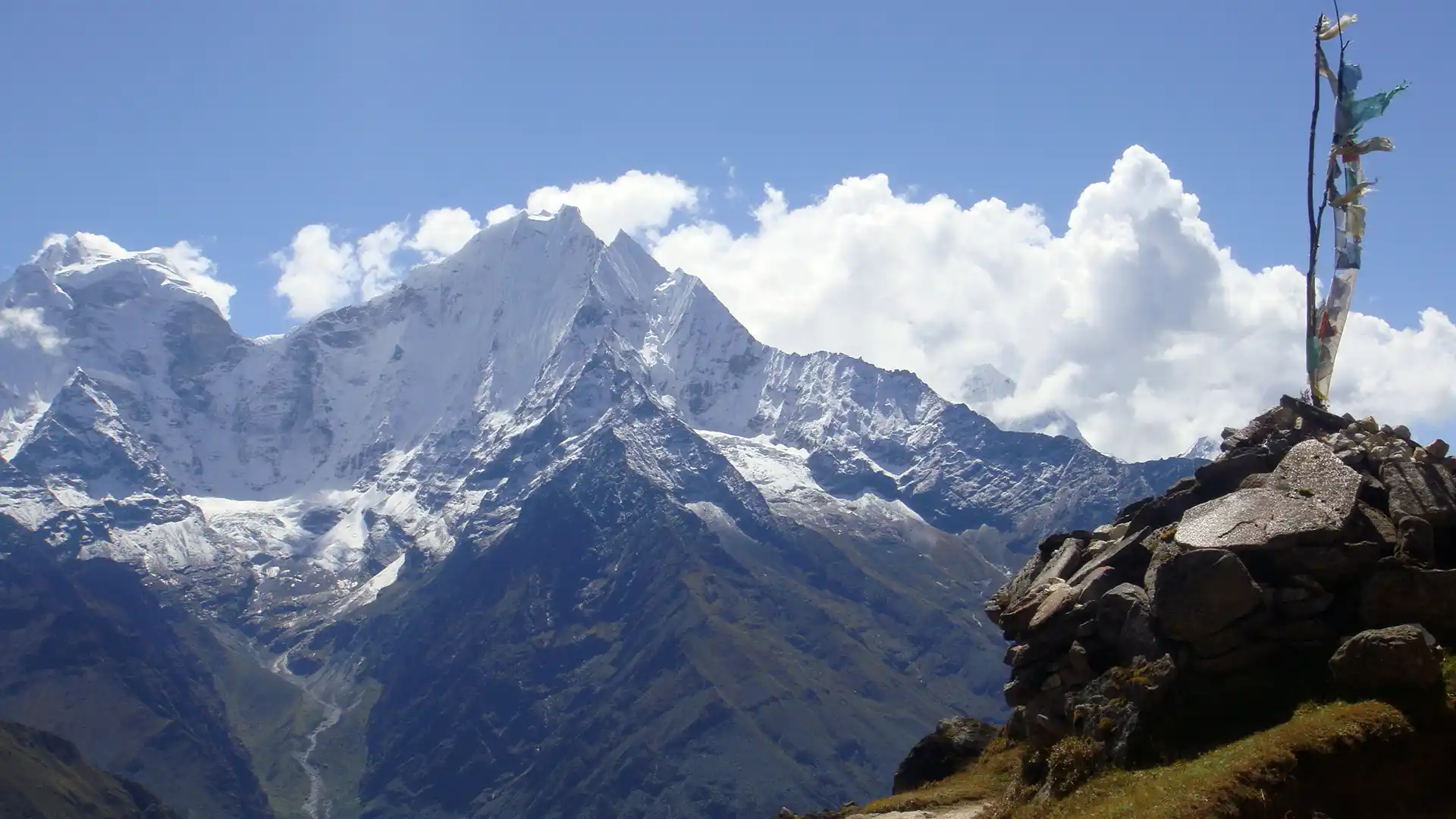
Trek Essentials
Packing appropriately makes the difference between enjoying and suffering through your trek. Each item serves specific purposes in high-altitude mountain conditions.
Clothing Layer System
- 2 long-sleeve thermal tops (merino wool or synthetic)
- 2 thermal leggings/pants
- Avoid cotton (absorbs sweat and dries slowly)
- Lightweight fleece jacket
- Heavy fleece or wool sweater
- Down vest (helpful at extreme altitude)
- Waterproof jacket
- Waterproof pants
- Wind-resistant pants
- Broken-in hiking boots (test extensively before trek)
- 3-4 pairs merino wool socks
- Gaiters (protect ankles and pants from mud)
- Camp shoes/sandals for evenings
- Sun hat with wide brim
- Warm hat/beanie
- Gloves or mittens
- Buff or neck gaiter
- Daypack (20-30 liters)
- Trekking poles (reduce knee strain)
- Sleeping bag (provide your own or rent)
- Water bottle or hydration system
- Headlamp with extra batteries
- Camera or smartphone
- Sunscreen SPF 50+ (intense high-altitude UV)
- Lip balm with SPF
- Sunglasses (UV protected)
- Moisturizer (skin dries at altitude)
- Toothbrush and biodegradable toothpaste
- Biodegradable soap
- Pain reliever (ibuprofen or paracetamol)
- Antacid (altitude affects digestion)
- Antibiotic ointment
- Blister treatment supplies
- Feminine hygiene products if needed
- Passport (6+ months validity)
- Travel insurance documents
- Trek confirmation
- Cash in Nepali Rupees (ATMs in Kathmandu and Namche)
- Credit card as backup
- Portable power bank (for charging)
- Earplugs (teahouses can be noisy)
- Sleep mask (for early sunrises)
- Journal and pen
- Prayer flag or small offering
- Cotton clothing
- Heavy jeans
- Excessive jewelry
- Heavy books
- Too many shoes
- More than 10kg total weight
Final Thoughts:
The Everest Panorama Trek represents the perfect balance between authentic Everest region experience and practical trekking accessibility. You get genuine high-altitude adventure standing at 3,880 meters with Mount Everest dominating your panoramic vista without the extreme altitude stress of base camp trekking.
This trek is ideal for trekkers with limited vacation time, first-time high-altitude trekkers, or anyone seeking authentic Sherpa culture and mountain beauty without extreme physical demands. The 11-day total duration (only 6 trekking days) makes this achievable for busy professionals and people with limited time.
Standing at Everest View Hotel watching sunrise illuminate Mount Everest is profound. You’re at genuine high altitude with the world’s highest mountain filling your vision, yet comfortable enough to truly absorb and enjoy the experience. The memories created on this trek will stay with you—the Sherpa hospitality, the ancient monasteries, the dramatic mountain vistas, the personal challenge of trekking at altitude.
The Everest Panorama Trek transforms perspective. It connects you to mountains, to people, to your own capabilities. It’s achievable, meaningful, and genuinely rewarding.
Ready to trek the Everest Panorama? Start your preparation now. The mountains and authentic mountain culture are waiting.
Your Adventure to Annapurna Base Camp Trek Starts Here
Start your journey with trusted local experts and discover the beauty, culture, and adventure waiting in the Himalayas and beyond.
Frequently Asked Questions
Everything you need to know about the AASRA ECO TREK
The Everest Panorama Trek is moderate difficulty. If you can walk 5-6 hours on consecutive days, climb 500+ meters daily, and have good cardiovascular fitness, you can likely succeed. Unlike Everest Base Camp trek, this trek doesn’t require months of training or extreme fitness. Start training 2-3 months before. If in doubt, consult your doctor.
Everest Panorama: 6 trekking days, reaches 3,880m, 11 days total, moderate difficulty, ideal for time-limited trekkers.
Everest Base Camp: 12+ trekking days, reaches 5,364m (extreme altitude), 18 days total, very hard difficulty, requires serious training.
Panorama offers authentic Everest experience in shorter timeframe with lower altitude stress. Base Camp offers ultimate high-altitude challenge.
Altitude sickness occurs when your body struggles with thin air. Symptoms include headache, nausea, fatigue, dizziness. At 3,880m, only 10-20% of trekkers experience mild symptoms. Prevent it through slow ascent (itinerary includes proper pacing), staying hydrated, and eating well. Tell your guide immediately if symptoms appear.
Most days involve 3-6 hours of trekking. Some days are shorter (3-4 hours), others longer (5-6 hours). Daily times vary based on pace, terrain, and fitness level.
Teahouse food is safe. Water is boiled at teahouses. Avoid tap water—drink only boiled or bottled water. Your stomach may adjust to new cuisine, but serious illness is rare with proper precautions.
Always trek with a qualified guide—never solo trek. Choose between private treks (more expensive, flexible) and group treks (lower cost, more social). A guide is essential for safety and cultural interpretation.
Total trekking distance is approximately 85-95 kilometers spread across 6 trekking days, averaging 14-16 kilometers daily.
Book 1-2 months in advance for spring/fall peak season. Off-season can book closer to travel. Most companies require 30-50% deposit.
Travel insurance is essential. Must cover high-altitude trekking (4,000m+), medical coverage for altitude-related illness, and trip cancellation protection. Verify policy covers activities above 4,000 meters.
Cellular service is limited above 2,500m. Internet is available at some teahouses but is slow. Expect to be largely disconnected—often appreciated as digital detox.
Guide typically receives 10-15% of trek cost as tip. Porter receives US$5-8 per day. These aren’t legally required but are customary in Nepal’s culture.
Yes, the moderate difficulty makes this suitable for fit teenagers and active families. Children should be comfortable hiking 4-5+ hours daily. Younger children may struggle with altitude and distance. Consult your doctor about individual fitness.
Mild altitude sickness responds to rest, hydration, and time. Your guide monitors symptoms and can adjust pacing. If symptoms worsen, descend immediately. Everest Panorama’s moderate altitude makes serious sickness unlikely with proper acclimatization.
Trek works for solo trekkers (1 person) through large organized groups (20+ people). Pricing adjusts based on group size. Solo trekkers pay slightly more per person. Larger groups get better per-person discounts.