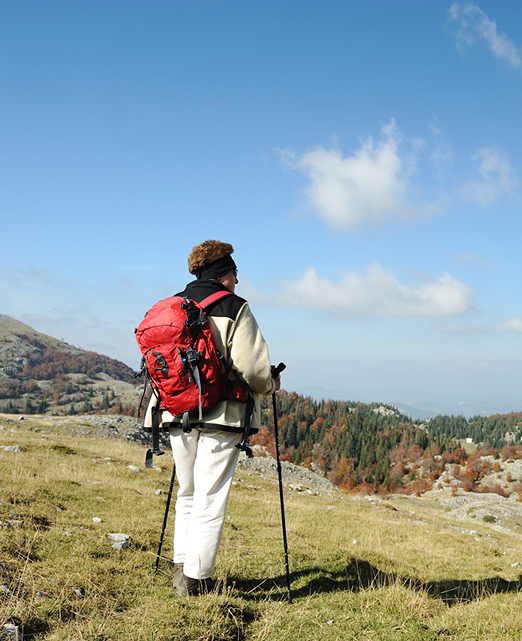
Essential Gear for Trekking in Nepal: The Complete Packing Guide

Trekking in Nepal is an unforgettable experience that takes travelers through some of the world’s most breathtaking mountain landscapes. Whether you’re planning the Everest Base Camp Trek, Annapurna Circuit, Langtang Valley Trek, or a short hiking adventure, having the right gear is essential for comfort, safety, and success.

Nepal’s trekking routes pass through diverse climates and elevations, meaning weather conditions can change dramatically within a single day. Proper preparation ensures you stay comfortable and can fully enjoy the journey.

Why Proper Trekking Gear Matters

Many first-time trekkers underestimate the importance of quality trekking equipment. The right gear helps:

  • Prevent injuries
  • Protect against harsh weather
  • Improve trekking performance
  • Reduce fatigue
  • Enhance overall comfort
  • Ensure safety at higher altitudes

Investing in good equipment can make the difference between a memorable adventure and a difficult experience.

1. Trekking Backpack

Your backpack is one of the most important pieces of equipment you’ll carry.

What to Look For:

  • 40–60 liter capacity
  • Adjustable shoulder straps
  • Waist support belt
  • Waterproof cover
  • Lightweight construction

A properly fitted backpack distributes weight evenly and reduces strain during long trekking days.

2. High-Quality Trekking Boots

Your feet will cover many kilometers every day, making quality footwear essential.

Features to Consider:

  • Waterproof material
  • Strong ankle support
  • Durable sole with excellent grip
  • Comfortable cushioning

Always break in your boots before the trek to avoid painful blisters.

3. Moisture-Wicking Base Layers

Base layers help regulate body temperature and keep sweat away from your skin.

Recommended Materials:

  • Merino wool
  • Synthetic fabrics

Avoid cotton, as it retains moisture and can lead to discomfort in cold conditions.

4. Insulated Down Jacket

Temperatures can drop below freezing at higher elevations.

A quality down jacket provides:

  • Lightweight warmth
  • Easy packing
  • Excellent insulation

This item becomes particularly important during Everest and Annapurna region treks.

5. Waterproof Outer Shell

Mountain weather is unpredictable.

Your waterproof jacket should:

  • Protect against rain and snow
  • Be breathable
  • Include adjustable hoods and cuffs

Waterproof pants are equally important during monsoon and shoulder seasons.

6. Thermal Clothing

Thermal tops and bottoms provide extra insulation during cold mornings and nights.

They’re especially useful above 3,500 meters where temperatures drop significantly.

7. Trekking Poles

Many experienced trekkers consider poles essential equipment.

Benefits:

  • Reduce knee strain
  • Improve balance
  • Increase stability on steep terrain
  • Assist during river crossings

They are particularly useful during descents.

8. Sleeping Bag

Tea houses provide accommodation, but temperatures can become very cold.

Recommended Rating:

  • -10°C to -20°C for high-altitude treks

A quality sleeping bag ensures restful sleep and proper recovery.

9. Headlamp

A headlamp is invaluable for:

  • Early morning starts
  • Nighttime bathroom visits
  • Power outages
  • Emergency situations

Carry extra batteries for longer treks.

10. Water Bottles and Hydration System

Proper hydration helps prevent altitude-related problems.

Carry:

  • Reusable water bottles
  • Insulated bottles for cold conditions
  • Water purification tablets or filters

11. First Aid Kit

A basic trekking first aid kit should include:

  • Bandages
  • Pain relievers
  • Blister treatment
  • Antiseptic cream
  • Personal medications
  • Altitude sickness medication (if recommended)

12. Sunglasses

UV radiation increases significantly at higher elevations.

Choose sunglasses with:

  • UV400 protection
  • Polarized lenses
  • Comfortable fit

Snow glare can damage eyes if proper protection isn’t used.

13. Sunscreen and Lip Balm

Even during cold weather, strong mountain sunlight can cause severe sunburn.

Recommended:

  • SPF 50+ sunscreen
  • UV-protected lip balm

Apply regularly throughout the day.

14. Gloves and Warm Hat

Body heat is lost quickly through the head and hands.

Pack:

  • Insulated gloves
  • Wool or fleece hat
  • Neck gaiter or buff

These items become essential at higher altitudes.

15. Energy Snacks

Long trekking days require sustained energy.

Popular options include:

  • Energy bars
  • Nuts
  • Dried fruits
  • Chocolate
  • Electrolyte supplements

16. Power Bank and Charging Equipment

Electricity may be limited or expensive in remote mountain regions.

Carry:

  • High-capacity power bank
  • Charging cables
  • Universal adapter

17. Trekking Socks

Good socks are just as important as good boots.

Choose:

  • Merino wool socks
  • Moisture-wicking materials
  • Multiple pairs

Quality socks help prevent blisters and improve comfort.

18. Personal Toiletries

Pack travel-sized essentials:

  • Toothbrush and toothpaste
  • Wet wipes
  • Hand sanitizer
  • Quick-dry towel
  • Toilet paper

19. Trekking Permits and Documents

Always carry:

  • Passport copy
  • Travel insurance
  • Trekking permits
  • Emergency contact details

Store digital copies on your phone as backup.

Final Packing Tips

Before starting your trek:

  • Test all equipment beforehand.
  • Keep your backpack lightweight.
  • Layer clothing for changing temperatures.
  • Waterproof important items.
  • Pack only necessary essentials.

Conclusion

Trekking in Nepal is one of the world’s greatest adventure experiences, but success depends heavily on preparation. With the right gear, you’ll be ready to tackle mountain trails, changing weather conditions, and high-altitude environments with confidence.

Whether you’re trekking to Everest Base Camp, Annapurna Base Camp, Langtang Valley, or Upper Mustang, proper equipment will help you stay safe, comfortable, and focused on enjoying Nepal’s extraordinary Himalayan landscapes.
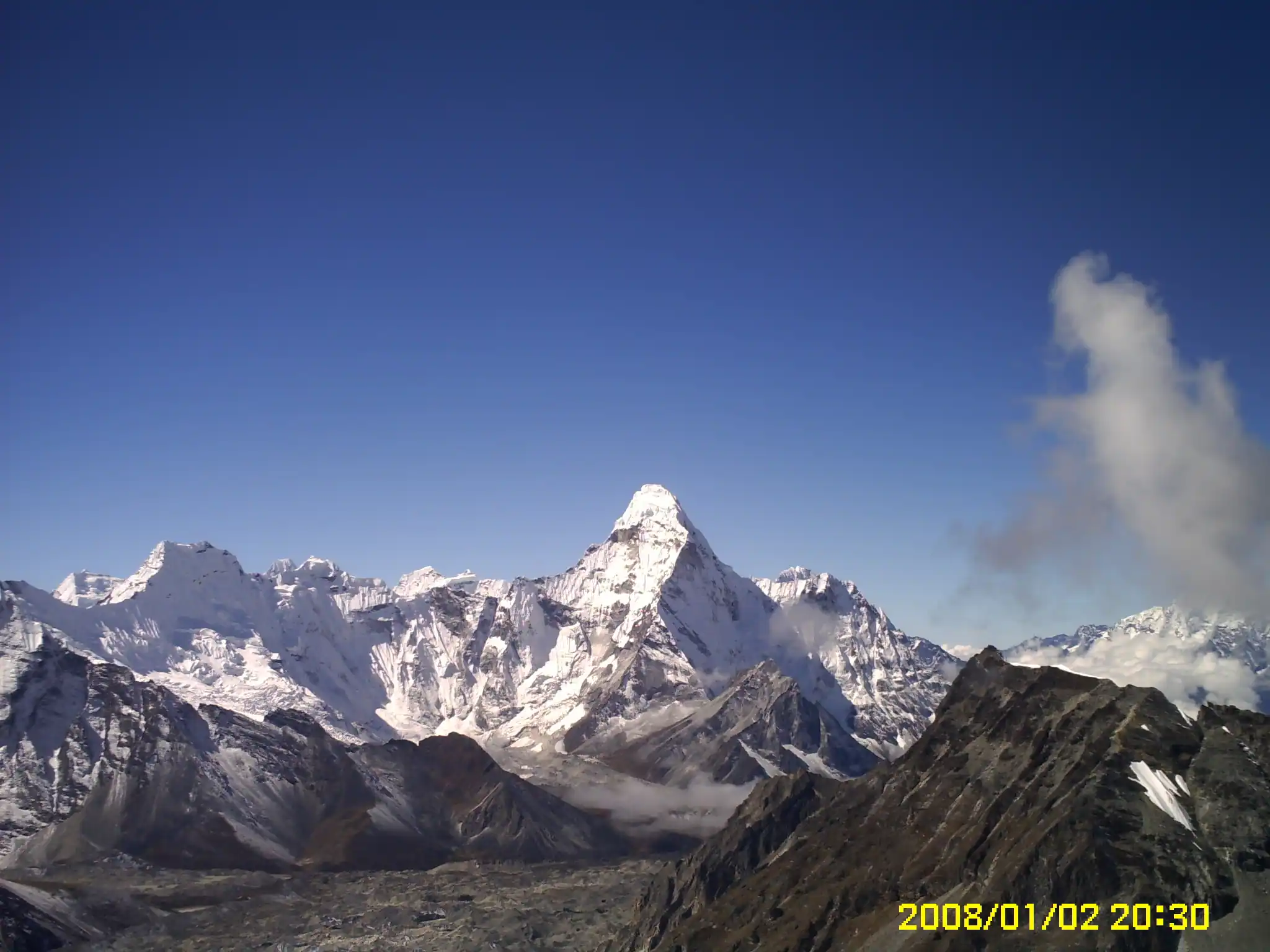
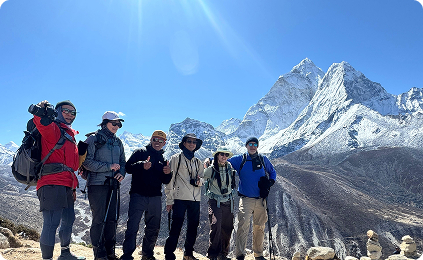
Top 10 Places to Visit in Nepal in 2026: A Complete Travel Guide

Nepal is one of the world’s most captivating travel destinations, attracting millions of visitors every year with its majestic Himalayan peaks, ancient cultural heritage, spiritual landmarks, wildlife adventures, and warm hospitality. From the towering heights of Mount Everest to the tranquil beauty of remote lakes and villages, Nepal offers unforgettable experiences for every type of traveler.

Whether you’re planning your first trip or returning to discover more of this Himalayan nation, here are the top 10 places to visit in Nepal in 2026 that deserve a spot on your travel itinerary.

1. Kathmandu Valley – The Cultural Heart of Nepal

Kathmandu Valley is the gateway to Nepal and a treasure trove of history, culture, and architecture. Home to several UNESCO World Heritage Sites, the valley consists of Kathmandu, Bhaktapur, and Patan, each offering unique experiences.

Visitors can explore ancient palaces, centuries-old temples, bustling markets, and sacred religious sites. The valley beautifully showcases the blend of Hindu and Buddhist traditions that have shaped Nepal’s identity for centuries.

Top Attractions:

  • Pashupatinath Temple
  • Boudhanath Stupa
  • Swayambhunath (Monkey Temple)
  • Kathmandu Durbar Square
  • Patan Durbar Square
  • Bhaktapur Durbar Square

Best For:

  • Cultural tourism
  • Heritage exploration
  • Photography
  • Spiritual journeys

2. Pokhara – Nepal’s Adventure Capital

Pokhara is often considered Nepal’s most beautiful city. Nestled beside Phewa Lake and surrounded by the Annapurna mountain range, it serves as the starting point for many famous trekking routes.

The city offers a perfect balance of adventure and relaxation. Visitors can enjoy boating, paragliding, zip-lining, mountain biking, and breathtaking sunrise views.

Top Attractions:

  • Phewa Lake
  • World Peace Pagoda
  • Sarangkot Sunrise Viewpoint
  • Davis Falls
  • Gupteshwor Cave
  • International Mountain Museum

Best For:

  • Adventure lovers
  • Families
  • Couples
  • Nature enthusiasts

3. Everest Base Camp – The Ultimate Trekking Experience

Everest Base Camp (EBC) remains one of the most sought-after trekking destinations in the world. The journey takes travelers through picturesque Sherpa villages, suspension bridges, glaciers, and spectacular mountain landscapes.

Standing at the base of the world’s highest mountain is a dream for many trekkers and adventure enthusiasts.

Highlights:

  • Views of Mount Everest
  • Namche Bazaar
  • Tengboche Monastery
  • Khumbu Glacier
  • Sherpa culture and hospitality

Best For:

  • Trekking enthusiasts
  • Adventure seekers
  • Photography lovers

4. Annapurna Base Camp – A Trek Through Diverse Landscapes

Annapurna Base Camp offers one of Nepal’s most scenic trekking experiences. Unlike Everest, the trek passes through lush forests, terraced farms, traditional villages, and alpine landscapes.

The panoramic views of Annapurna, Machhapuchhre, Hiunchuli, and other peaks create unforgettable memories.

Why Visit:

  • Moderate trekking difficulty
  • Diverse scenery
  • Rich local culture
  • Accessible from Pokhara

Best For:

  • Beginner and intermediate trekkers
  • Nature lovers
  • Adventure travelers

5. Chitwan National Park – Nepal’s Wildlife Paradise

For travelers looking beyond mountains, Chitwan National Park offers incredible wildlife experiences. Recognized as a UNESCO World Heritage Site, the park is home to endangered species and rich biodiversity.

Wildlife You May Spot:

  • One-horned rhinoceros
  • Bengal tiger
  • Wild elephants
  • Crocodiles
  • Deer species
  • Hundreds of bird species

Activities:

  • Jeep safari
  • Canoe rides
  • Jungle walks
  • Bird watching
  • Cultural performances

Best For:

  • Wildlife enthusiasts
  • Families
  • Nature photographers

6. Lumbini – The Birthplace of Lord Buddha

Lumbini is one of the world’s most significant pilgrimage destinations. As the birthplace of Lord Buddha, it attracts visitors from across the globe seeking peace, spirituality, and historical insight.

The serene environment and beautifully designed monasteries make it a unique destination for both religious and non-religious travelers.

Must-Visit Sites:

  • Maya Devi Temple
  • Sacred Garden
  • Ashoka Pillar
  • International Monastery Zone

Best For:

  • Spiritual travelers
  • History enthusiasts
  • Cultural tourism

7. Rara Lake – Nepal’s Hidden Jewel

Located in the remote western region of Nepal, Rara Lake is the largest lake in the country and one of its most beautiful natural attractions.

The crystal-clear blue waters surrounded by forests and mountains offer a peaceful retreat away from crowded tourist destinations.

Why Visit:

  • Pristine natural beauty
  • Less crowded environment
  • Incredible photography opportunities
  • Rich biodiversity

Best For:

  • Nature lovers
  • Peace seekers
  • Adventure travelers

8. Upper Mustang – The Last Forbidden Kingdom

Upper Mustang offers a unique travel experience unlike any other destination in Nepal. The region resembles the Tibetan plateau with dramatic desert landscapes, ancient caves, and centuries-old monasteries.

The preserved culture and remote setting make Mustang one of Nepal’s most fascinating destinations.

Highlights:

  • Lo Manthang
  • Ancient monasteries
  • Tibetan-influenced culture
  • Unique desert landscapes

Best For:

  • Cultural explorers
  • Photographers
  • Adventure travelers

9. Langtang Valley – The Valley of Glaciers

Located north of Kathmandu, Langtang Valley is one of Nepal’s most accessible trekking regions. Despite being relatively close to the capital, it offers stunning mountain scenery and authentic Himalayan culture.

Why Trek Langtang:

  • Fewer crowds
  • Beautiful landscapes
  • Rich Tamang culture
  • Spectacular glacier views

Best For:

  • Beginner trekkers
  • Nature enthusiasts
  • Cultural travelers

10. Ilam – Nepal’s Tea Garden Paradise

Ilam is famous for its rolling tea plantations, green hills, and tranquil atmosphere. Located in eastern Nepal, it offers a refreshing escape from busy city life.

Visitors can enjoy scenic drives, tea tasting, and breathtaking sunrise views over the hills.

Attractions:

  • Tea gardens
  • Antu Danda
  • Mai Pokhari
  • Local villages

Best For:

  • Relaxation
  • Nature tourism
  • Photography

Final Thoughts

Nepal continues to be one of the most rewarding destinations for travelers seeking adventure, culture, spirituality, and natural beauty. Whether you’re trekking to Everest Base Camp, exploring ancient temples in Kathmandu, spotting wildlife in Chitwan, or relaxing beside Rara Lake, every journey in Nepal offers a unique and memorable experience.

As tourism infrastructure continues to improve in 2026, there has never been a better time to explore the wonders of Nepal.