 Plan Your Trip
Narphu Valley Trek — 13 Days
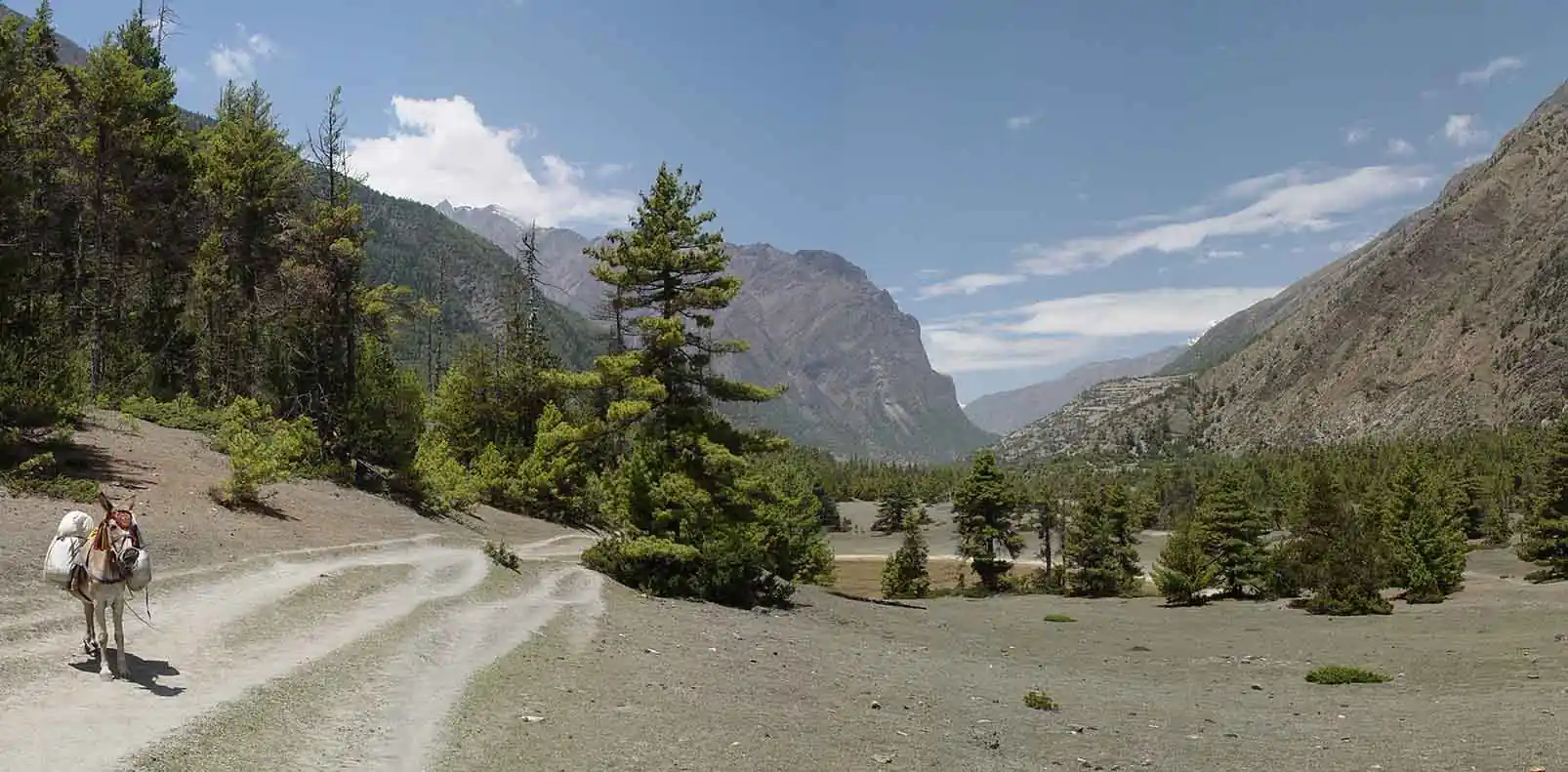
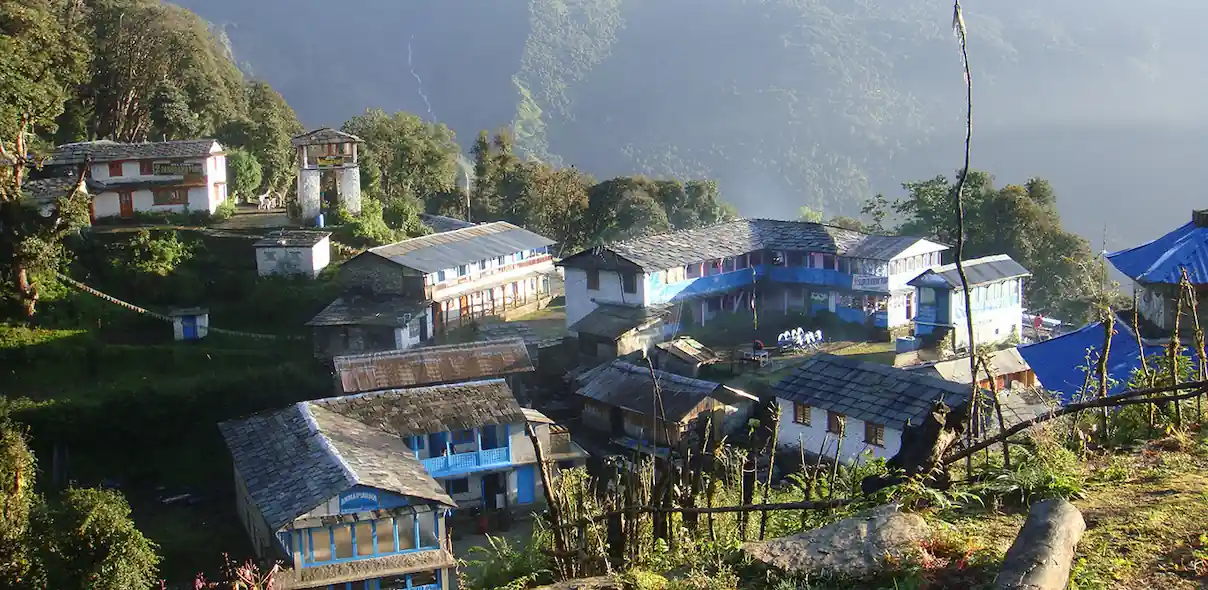
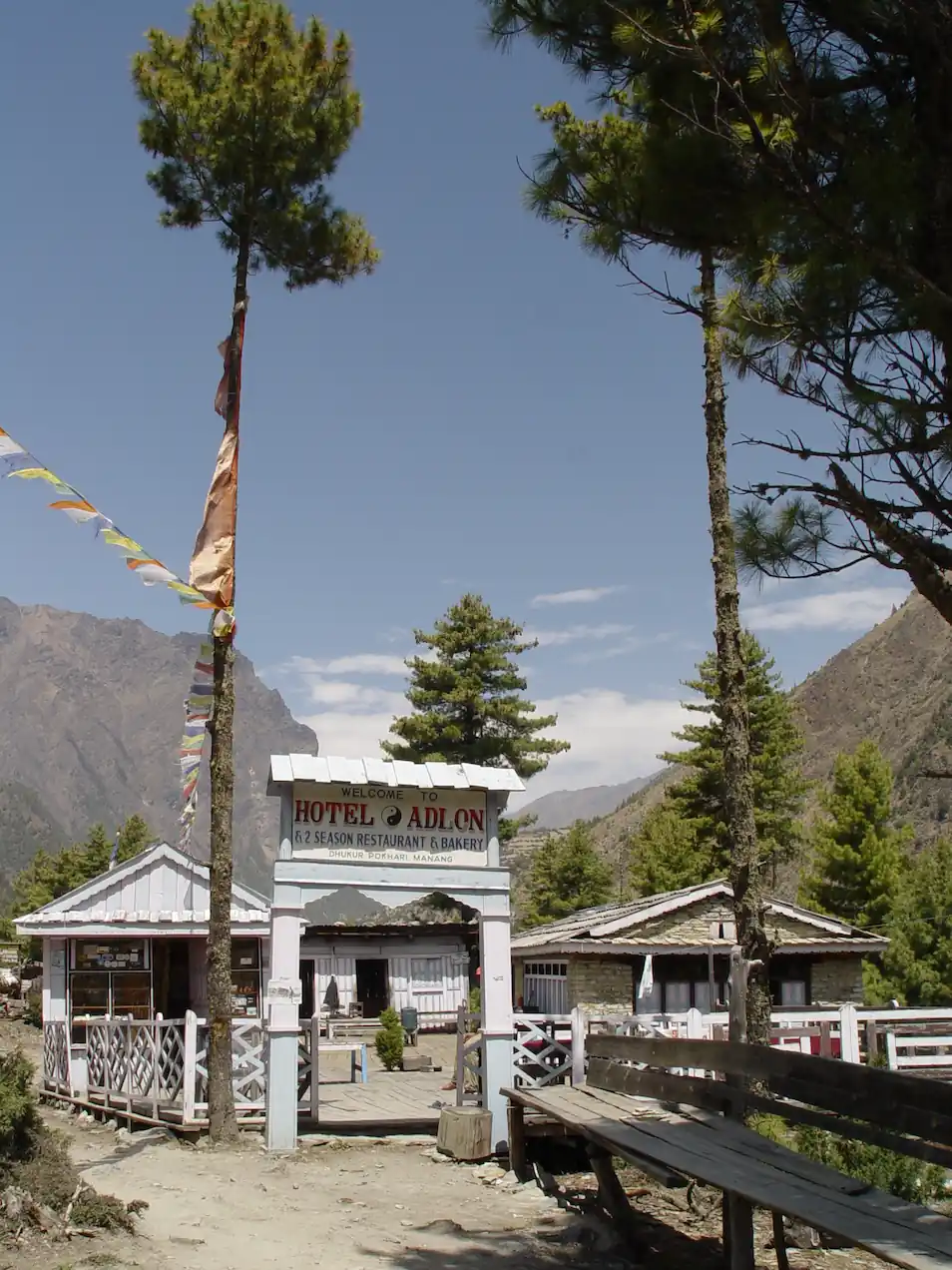
Trip Overview

Trek Region
Annapurna

Difficulty Level
Hard

City Accommodation
3 Nights at 3-Star Hotel

Trek Starts at
Koto Village (2,610 m)

Transport
Drive & Flight
Mountain Accommodation
8 Nights Teahouse / Camping

Trek Ends at
Koto Village (2,610 m)

Total Trip Duration
13 Days

Max Elevation
5,200 m

Trekking Duration
8 Days on Trail

Meals
B/L/D (Mountain only)
Trip Highlights
- Explore one of the most remote and least visited valleys in the entire Himalayan region Narphu Valley sees only a small handful of trekking groups each year
- Walk deep into the hidden valley of Phu, a tiny Tibetan Buddhist settlement at 4,080 m that sits at the edge of the Tibetan plateau and feels like the end of the world in the best possible way
- Visit the ancient village of Nar, a remarkably preserved Tibetan community perched on a high hillside with centuries-old monasteries, mani walls, and prayer flags that stretch in every direction
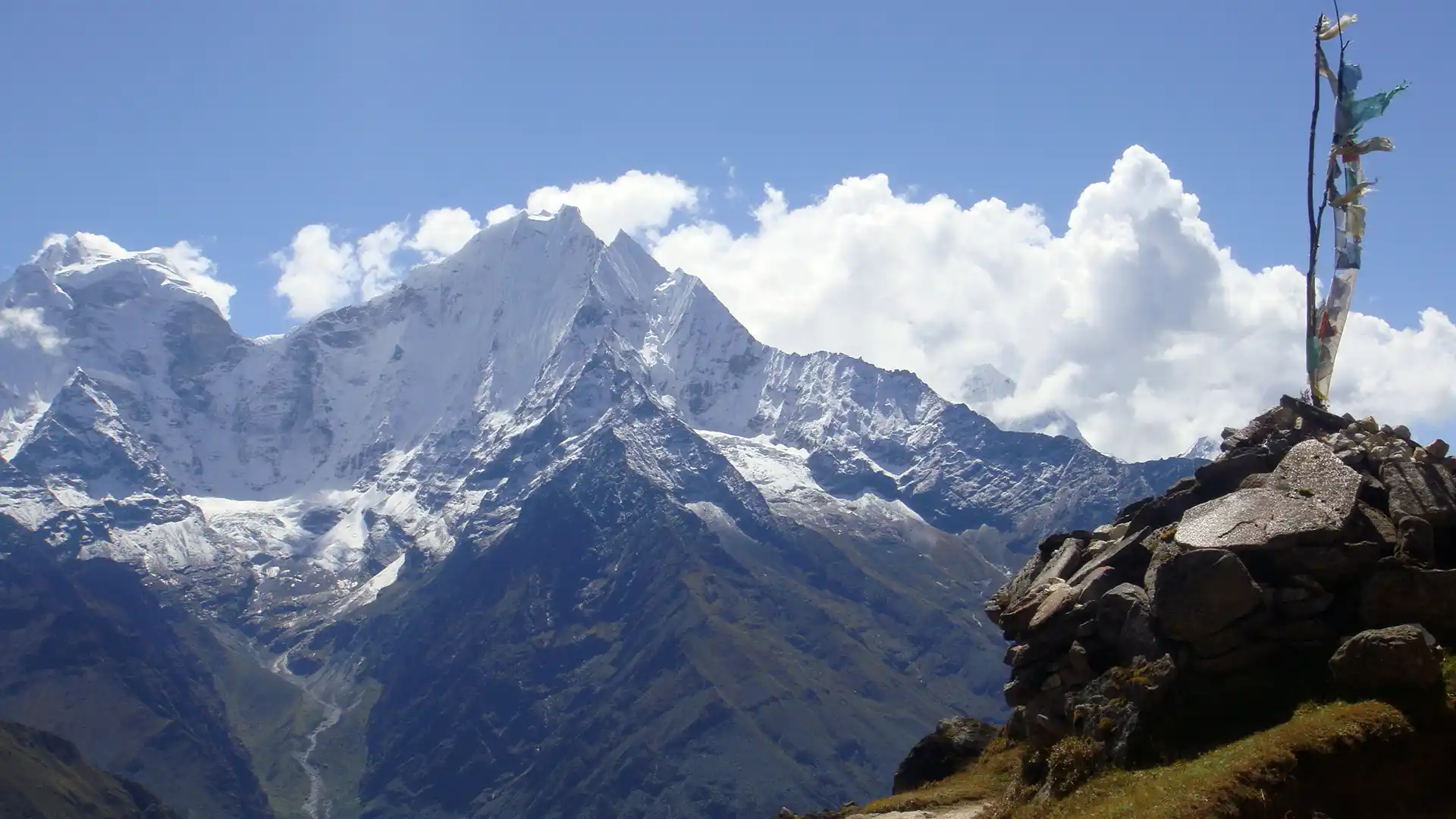
- Stand beneath the towering walls of Himlung Himal (7,126 m), Kang Guru (6,981 m), and Ratna Chuli (7,035 m) — giants that most trekkers in Nepal never get close to
- Cross the dramatic Kang La Pass (5,320 m), one of the most thrilling and rewarding high passes in the Annapurna region, with views of some of the most remote peaks in Nepal
- Experience a genuine wilderness trek where the trail is rough, the villages are few, and the feeling of being in an untouched mountain landscape is completely real
- Encounter the extraordinary Tibetan Buddhist culture of the Narphu Valley communities, whose traditions, festivals, and way of life remain almost entirely intact
- Walk through the spectacular Nar Phu Gorge, one of the deepest and most dramatic river gorges in Nepal, carved between impossibly tall canyon walls
- Trek through a landscape that shifts from subtropical river valley to high-altitude alpine meadows and rocky moraines in the space of just a few days
- Experience the full meaning of off-the-beaten-path trekking in Nepal no crowds, no tourist infrastructure, just the mountains, the trail, and your team
Trip Summary
The Narphu Valley Trek is Nepal’s best kept secret. While trekking routes like the Annapurna Circuit, the Everest Base Camp trail, and even Upper Mustang draw thousands of visitors every season, the Narphu Valley, tucked into a restricted side valley off the main Annapurna Circuit trail, sees fewer visitors in an entire year than those routes see in a single busy weekend. This is not a trek for everyone. It is a trek for people who want the real thing, raw, remote, challenging, and absolutely extraordinary.
The valley takes its name from its two main settlements, Nar and Phu, both of which are among the most isolated inhabited villages in Nepal. Phu, the higher of the two at 4,080 metres, sits at the very edge of the Tibetan plateau and is home to a small community of Tibetan Buddhist families who have lived in this valley for centuries, largely cut off from the rest of the world by the deep gorge and high passes that guard the entrance. The village is accessible only for part of the year, and even during the trekking season the number of visitors is tightly controlled by the restricted area permit system.
What you find in Narphu Valley is something that is becoming increasingly rare in Nepal’s more popular trekking regions a genuinely untouched mountain landscape and a living culture that has not been shaped or altered by the tourism industry. The monasteries of Nar and Phu are still active religious centers rather than tourist attractions. The fields of buckwheat and barley around the villages are still farmed by hand using traditional methods. The mani walls and chortens along the trail are still built and maintained by the communities that depend on them spiritually.
The trekking itself is serious. The trail through the Nar Phu Gorge is narrow, steep in places, and requires careful footing on rocky terrain. The altitude gain is significant; you go from the Marsyangdi Valley floor at around 2,600 metres to Phu Gaon at over 4,000 metres in a relatively short distance, and the optional Kang La Pass crossing takes you to 5,320 metres. This is not a beginner trek and prior experience at altitude is strongly recommended.
Your 13-day journey begins in Kathmandu with a full day of guided sightseeing before a long but scenic drive to the Annapurna Circuit trailhead at Besisahar and then onward to Koto, the entry point for the Narphu Valley restricted area. The days that follow take you deeper and deeper into one of the most extraordinary mountain landscapes in Asia, a place where the scale of the peaks, the silence of the valleys, and the depth of the culture combine to create a trekking experience that is genuinely unlike anything else Nepal has to offer.
When To Visit
The Narphu Valley has a shorter and more specific trekking window than most other routes in Nepal, driven by the extreme altitude and the challenging terrain of the approach gorge. Getting the timing right is important, and your choice of season will significantly affect both the conditions on the trail and the quality of the experience.
Spring (March–May) is one of the two best seasons and is particularly special in the lower sections of the trek where rhododendron and other alpine flowers are in full bloom along the Marsyangdi Valley and the lower reaches of the Nar Phu Gorge. By late March and April the high passes are beginning to clear of winter snow, making the Kang La crossing progressively more accessible through the season. May is excellent for both the gorge section and the high altitude areas around Phu, though some residual snow may still be present on the upper trails.
Autumn (October–November) is the other peak season and is widely considered the finest time to visit Narphu Valley. The post-monsoon clarity of the air brings the surrounding peaks into sharp, brilliant focus and the light on the canyon walls and high alpine meadows has a rich, golden quality that is extraordinary to walk through. October is the most popular month and the conditions for crossing the Kang La Pass are generally at their most stable and reliable.
The monsoon months (June–August) are possible in Narphu Valley in a way they are not on many other Nepal trekking routes, because the valley sits in a partial rain shadow similar to Upper Mustang. However, the lower gorge section can become wet, slippery, and more difficult during heavy monsoon rainfall, and the approach trails from the main Annapurna Circuit can be challenging. September is a transitional month with improving conditions and is a reasonable option for experienced trekkers.
Winter (December–February) is not recommended for Narphu Valley. The high passes become snowbound, the gorge trail can be icy and dangerous, and the extreme cold at the altitude of Phu and the Kang La area makes camping and high-altitude trekking genuinely hazardous without specialist equipment and experience. Most teahouses in Nar and Phu also close during the winter months as the resident families move to lower settlements.
Itinerary
Our team member will be at Tribhuvan International Airport to welcome you the moment you come through arrivals. After a smooth transfer to your hotel in Thamel, you will have a comprehensive welcome briefing covering the full itinerary, the Narphu Valley Restricted Area Permit requirements, gear checks, and a detailed overview of what to expect on this demanding and extraordinary route. The Narphu Valley has specific regulations and requirements that differ from most other trekking routes in Nepal, and your guide will walk you through everything you need to know. The evening is free to explore Thamel, pick up any final supplies, or rest after your journey.
A full day of guided sightseeing takes you through the most significant cultural and spiritual landmarks of Kathmandu. You will visit Pashupatinath Temple on the banks of the sacred Bagmati River, the magnificent Boudhanath Stupa ringed by Tibetan Buddhist monasteries and spinning prayer wheels, the ancient hilltop complex of Swayambhunath with its panoramic views over the Kathmandu Valley, and the medieval Kathmandu Durbar Square. Given that Narphu Valley is home to some of the finest Tibetan Buddhist heritage in the entire Himalayan region, understanding the religious art, iconography, and traditions you will encounter on the trek is enormously enriched by this day in Kathmandu. In the evening, the team gathers for a group dinner and final pre-departure briefing.
An early start for a long but fascinating drive from Kathmandu to Koto, the entry checkpoint for the Narphu Valley Restricted Area. The drive follows the Prithvi Highway west to Dumre, then turns north along the Marsyangdi Valley, the same river valley that the classic Annapurna Circuit follows. The road passes through Besisahar, the traditional starting point of the Annapurna Circuit, and continues north through increasingly dramatic mountain scenery to Koto. The total drive takes approximately 8 to 10 hours depending on road conditions. You spend the night in Koto and complete the final permit formalities before entering the restricted zone the following morning.
Your first day on the trail plunges you immediately into the Nar Phu Gorge, and the landscape makes an instant and powerful impression. The gorge is one of the most dramatic in Nepal sheer rock walls rising hundreds of metres on either side, the roaring Meta Khola river cutting through the canyon floor, and a trail that clings to the gorge walls in places with nothing but the void below. The walking today is seriously steep, rocky, and requiring careful attention, but the scenery is extraordinary from the very first steps. You pass through pine forest and cross several suspension bridges before the gorge begins to open out near Meta, a small teahouse settlement where you spend the first night.
The trail from Meta to Phu continues up the narrowing valley, crossing the gorge several more times on suspension bridges and climbing steadily through increasingly alpine terrain. The vegetation shifts from pine forest to juniper scrub and then to open rocky terrain as you gain altitude. The scale of the peaks surrounding the valley becomes more apparent with every hour of walking — the walls of Himlung Himal, Kang Guru, and Ratna Chuli tower above the valley floor in a way that makes you feel genuinely small. Phu village, when it finally comes into view across a wide glacial plain, looks almost impossibly remote, a small cluster of flat-roofed stone houses surrounded by mountains on all sides and backed by the Tibetan plateau beyond.
A full rest and acclimatization day at Phu is essential and genuinely rewarding. At 4,080 metres, your body needs time to adjust before any further altitude gain, and Phu itself offers more than enough to fill a day of exploration. The village monastery, Tashi Lhakhang Gompa, is one of the oldest and most authentic in the entire Annapurna region and contains extraordinary wall paintings and religious objects that have never been restored or commercialized. The surrounding plateau offers beautiful acclimatization walks with views of the surrounding peaks, and the daily life of the Phu community, the farmers, the monks, the children, is something deeply worth observing with respect and curiosity. Your guide will arrange a respectful introduction to the village monastery and community.
A demanding but deeply rewarding day hike takes you up toward the Himlung Himal Base Camp area on the high moraine above Phu. The route climbs steeply from the village through boulder fields and glacial moraine, gaining around 1,000 metres of altitude over the course of the morning. The views from the upper moraine are extraordinary. You are standing at the foot of Himlung Himal (7,126 m), one of Nepal’s great trekking peaks, with Ratna Chuli and Kang Guru forming an almost overwhelming backdrop. This is the highest point most trekkers reach on the standard Narphu Valley itinerary and the sense of scale and remoteness at this altitude and in this location is something genuinely hard to prepare for. You return to Phu for the night
This is the most challenging and most spectacular day of the entire trek. The Kang La Pass at 5,320 metres is the high route connecting the Phu valley with the Nar valley, and crossing it is a serious mountaineering undertaking that requires an early start, good weather, and the right level of physical condition. The ascent from Phu to the pass is long and steep, climbing through moraine, snow fields, and rocky ridgelines to the pass itself, where the views in all directions are absolutely staggering. The full Annapurna and Manaslu ranges spread out to the south and west, the Tibetan plateau extends to the north, and the Nar valley drops dramatically below. For trekkers who prefer not to cross the pass, an alternative lower trail connects Phu to Nar via Koto and is a perfectly rewarding route in its own right.
Nar village is the larger and in many ways more accessible of the two Narphu Valley settlements, sitting on a broad hillside above the Nar Khola at around 4,110 metres. Like Phu, it is a deeply traditional Tibetan Buddhist community with centuries-old monasteries, mani walls, and chortens that line every path through the village. The gompa at Nar is one of the finest in the region and the village’s annual Tiji festival, if your timing coincides, is one of the most extraordinary cultural events in all of Nepal. The acclimatization day at Nar also gives your body recovery time after the exertion of the Kang La crossing, and the afternoon walks above the village offer stunning views across the high valley.
The descent from Nar back toward Meta takes you back down through the Nar Phu Gorge on the return route. The trail is familiar in direction but the different light and the knowledge of what lies behind you gives the gorge a completely different feeling on the way back. The scale of the canyon walls, the roar of the river below, and the gradual reappearance of vegetation as you descend back into the lower gorge are all things you appreciate differently on the return journey. You reach Meta in the early afternoon with time to rest and reflect before the final push back to Koto the following day.
The final day on the trail brings you back through the lower Nar Phu Gorge to Koto, completing the circuit of the valley. The exit checkpoint at Koto marks the end of the restricted area and the return to the main Annapurna Circuit valley. A vehicle meets you at Koto for the drive south along the Marsyangdi Valley to Besisahar, where you spend the night in a comfortable lodge before the long drive back to Kathmandu the following day. The evening in Besisahar is a good moment to decompress, enjoy a proper meal, and begin processing everything you have seen and experienced over the past week in one of Nepal’s most extraordinary corners.
An early morning departure from Besisahar for the long drive back to Kathmandu along the Marsyangdi and Prithvi Highways. The drive takes approximately 6 to 8 hours depending on traffic and road conditions, and the journey through the middle hills of Nepal is a pleasant and scenic way to transition back from the world of the high mountains to the energy of Kathmandu. You arrive at your hotel in Thamel in the late afternoon with time to shower, change, and prepare for your farewell evening. Your guide joins the group for a farewell dinner at one of Kathmandu’s best restaurants, a proper celebration of one of the most demanding and rewarding treks in Nepal.
Your Narphu Valley Trek comes to a close this morning. After a final breakfast at the hotel, our team transfers you to Tribhuvan International Airport with plenty of time for your departure flight. We recommend scheduling your international flight for mid-morning or later to allow for a comfortable and unhurried final morning in Kathmandu. You leave Nepal carrying something rare the memory of a place that most people who visit Nepal never reach, and a depth of experience that only the most remote and extraordinary corners of the Himalayan world can give you.
Trek Difficulty & Physical Demands
The Narphu Valley Trek is considered a challenging high-altitude trek suitable for experienced trekkers. The route involves steep ascents, rocky canyon trails, remote mountain terrain, and several long trekking days above 4,000 meters. The optional Kang La Pass crossing at 5,320 meters adds additional technical and physical difficulty depending on snow conditions.
Trekkers should have good cardiovascular fitness and ideally previous trekking experience at high altitude. Proper acclimatization, hydration, and preparation are essential due to the remoteness and limited facilities in the region.
Key Challenges:
- High altitude above 5,000 m
- Long trekking days
- Remote terrain with limited infrastructure
- Steep rocky trails and mountain passes
- Cold temperatures in Nar and Phu villages
Best Time to Trek: Seasonal Comparison
Spring (March – May)
Spring is one of the finest seasons for the Narphu Valley Trek and offers a beautiful balance of stable weather, comfortable daytime temperatures, and excellent mountain visibility. As winter snow gradually melts from the higher sections of the trail, the valleys begin to come alive with blooming rhododendrons, alpine flowers, and greener landscapes in the lower elevations around Koto and Meta.
March can still feel cold at higher elevations, especially around Phu and Kang La Pass, but by April and May conditions become much more favorable for trekking. The skies are generally clear during mornings, allowing spectacular views of Himlung Himal, Kang Guru, Annapurna II, and surrounding peaks. Spring is also a great time for photographers due to the colorful landscapes and bright mountain scenery.
This season is ideal for trekkers looking for stable weather without the heavy crowds seen on Nepal’s more commercial trekking routes.
Autumn (September – November)
Autumn is widely considered the best overall season for trekking in Narphu Valley. Following the monsoon rains, the atmosphere becomes exceptionally clear, creating crisp mountain views and dramatic landscapes throughout the trek. The trails are generally dry, stable, and safer for crossing high passes like Kang La.
September is considered a transitional month, where occasional late monsoon showers may still occur in the lower sections, but conditions improve significantly toward the end of the month. October is the peak trekking month thanks to its reliable weather, mild daytime temperatures, and outstanding visibility. November remains excellent as well, although temperatures begin dropping sharply at night, particularly in Nar and Phu villages.
Autumn is also culturally rewarding, as many traditional festivals take place across Nepal during this period, adding additional cultural experiences before or after the trek.
Monsoon (June – August)
Unlike many trekking regions in Nepal, Narphu Valley remains partially accessible during the monsoon season because the valley lies within a rain-shadow area similar to Upper Mustang. This means the upper valley around Nar and Phu receives significantly less rainfall than lower regions of Nepal.
However, the approach trail through the Nar Phu Gorge and lower Marsyangdi Valley can become muddy, slippery, and occasionally affected by landslides during periods of heavy rain. River crossings may also become more challenging. Cloud cover often reduces mountain visibility, especially during afternoons.
Despite these difficulties, monsoon trekking can still appeal to experienced trekkers seeking solitude, quieter trails, and dramatic landscapes with fewer visitors. Proper waterproof gear and flexible travel planning are essential during this season.
Winter (December – February)
Winter is the least favorable season for the Narphu Valley Trek due to extreme cold temperatures, heavy snowfall at higher elevations, and dangerous trail conditions around Kang La Pass. Temperatures in Nar and Phu frequently drop far below freezing at night, and snow accumulation can make trails icy and difficult to navigate safely.
The Kang La Pass often becomes inaccessible during winter, and many local families move to lower villages during the harshest months. As a result, several teahouses and lodges may close entirely, making logistics more difficult. Strong winds, frozen water sources, and limited daylight hours also increase the overall difficulty of the trek.
Winter trekking in Narphu Valley is only suitable for highly experienced trekkers equipped with proper winter mountaineering gear and supported by experienced guides familiar with extreme Himalayan conditions.
Booking Your Narphu Valley Trek — 13 Days
Booking the Narphu Valley Trek in advance is highly recommended due to restricted area permit requirements and limited accommodation availability in remote villages. Trekkers must travel with a licensed guide, and all permits need to be arranged through a registered trekking agency.
Before booking, ensure:
- You have proper travel insurance covering high-altitude trekking
- You are physically prepared for remote trekking conditions
- You have suitable trekking equipment for cold weather and altitude
- Your passport validity extends at least six months beyond your travel dates
Early booking also helps secure experienced guides, transportation, and accommodation during peak trekking seasons.
Cost Details
Cost Includes
- All airport transfers in Kathmandu
- 2 nights at a 3-star hotel in Kathmandu (BB)
- 1 night lodge accommodation in Besisahar (BB)
- Kathmandu guided sightseeing with private vehicle
- Drive from Kathmandu to Koto (trek start)
- Drive from Koto to Besisahar and Besisahar to Kathmandu (trek end)
- All meals on the trail (breakfast, lunch, and dinner)
- Teahouse and camping accommodation during the trek (8 nights)
- Licensed, experienced English-speaking trekking guide (mandatory for restricted area)
- Assistant guide (required for groups of 4 or more)
- Porter service (1 porter per 2 trekkers)
- Nar Phu Restricted Area Permit (NPR 100 per day — arranged by us)
- Annapurna Conservation Area Permit (ACAP)
- TIMS card (Trekkers’ Information Management System)
- Camping equipment where teahouse accommodation is unavailable
- First aid kit and emergency oxygen
- All government and local taxes
- Company service charge
Cost Excludes
- International airfare to and from Kathmandu
- Nepal visa fee (approx. USD 30–50 depending on duration)
- Travel and medical insurance (mandatory — must cover high altitude trekking and helicopter evacuation)
- Lunch and dinner in Kathmandu
- Personal trekking gear and equipment
- Hot showers and battery charging on the trail (very limited availability)
- Tips and gratuities for guide, assistant guide, and porters
- Personal expenses (snacks, drinks, souvenirs)
- Emergency evacuation or helicopter rescue costs
- Kang La Pass crossing requires crampons and ice axe rental if conditions demand (arranged locally)
- Any costs arising from delays due to weather, road conditions, or natural events
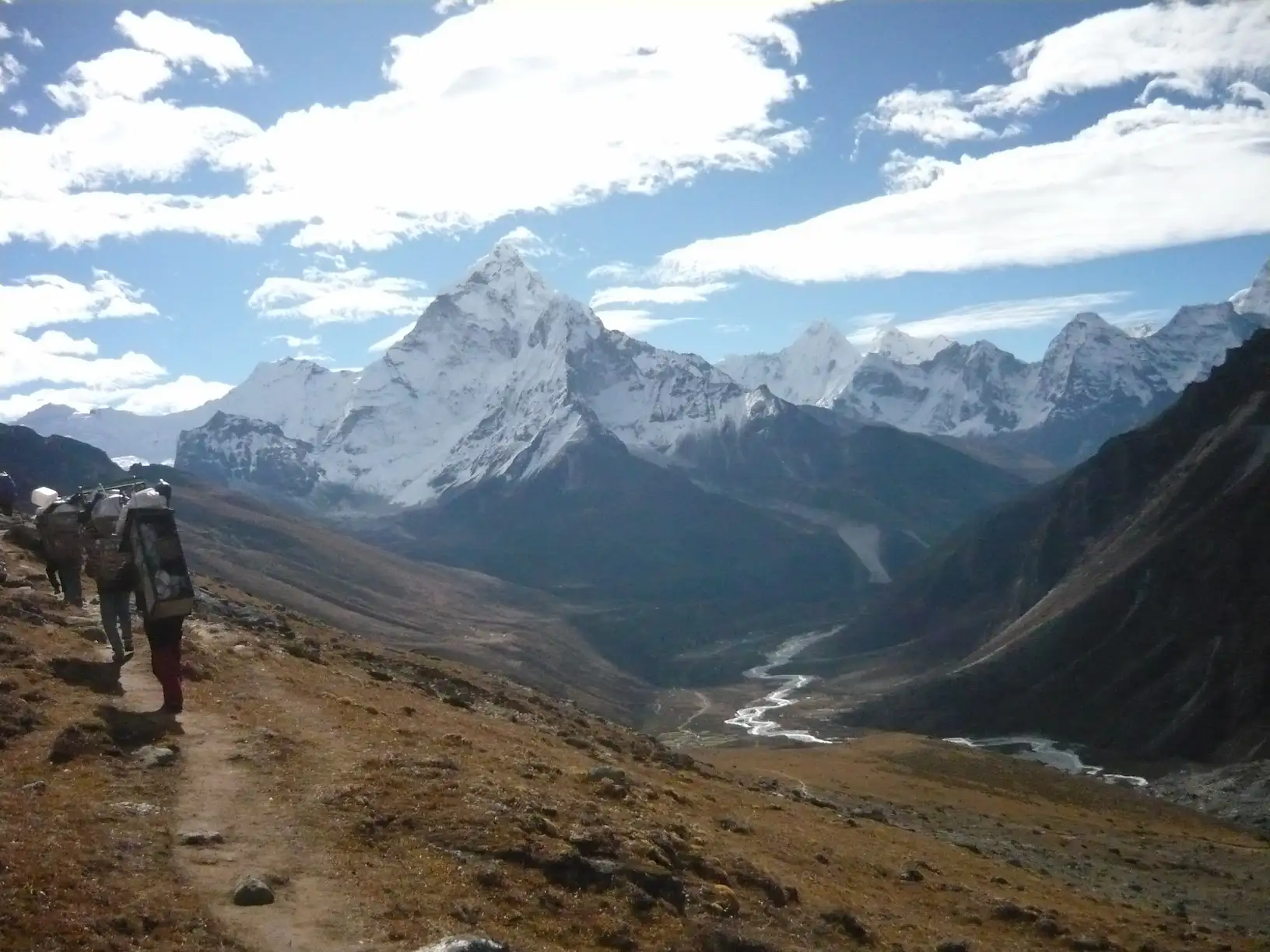
Trip Gallery
Trek Essentials
- Moisture-wicking base layer (top and bottom) — at least 2 sets
- Warm fleece mid-layer
- High-quality down jacket (essential — nights in Phu and Nar are extremely cold)
- Hardshell windproof and waterproof outer jacket
- Softshell trekking jacket for active walking days
- Trekking pants (x2)
- Waterproof over-trousers for high pass and wet conditions
- Warm hat covering ears
- Balaclava (essential for Kang La Pass crossing)
- Insulated gloves and a lighter liner glove underneath
- Thermal underwear top and bottom (heavyweight for high altitude nights)
- Sun hat or cap for lower valley sections
- Light comfortable clothes for teahouse evenings
- Stiff, waterproof, well broken-in mountaineering or trekking boots
- Crampons or microspikes (may be needed for Kang La Pass — check conditions with your guide)
- Camp sandals or flip-flops
- Wool or synthetic trekking socks (x5 pairs)
- Gaiters (strongly recommended for high pass crossing)
- 50–60L trekking backpack
- Trekking poles (essential on this route)
- Sleeping bag rated to -20°C (Phu and Nar nights can be brutal)
- Sleeping bag liner for added warmth
- Headlamp with spare batteries (long before-dawn starts on pass days)
- High-quality wrap-around sunglasses with UV and wind protection
- Ski goggles (recommended for Kang La Pass in poor visibility or wind)
- Dust buff or balaclava-style neck gaiter
- Water bottles (x2) or hydration bladder
- Insulated water bottle sleeve (water freezes at altitude)
- Water purification tablets and portable filter
- Daypack rain cover
- Portable battery pack (power is extremely limited in Phu and Nar)
- Dry bags for keeping essential items waterproof in pack
- High-SPF sunscreen (50+ — radiation at 4,000+ m is intense)
- SPF lip balm
- Comprehensive personal first aid kit
- Altitude sickness medication — Diamox (consult your doctor, this is not optional on this route)
- Pulse oximeter (strongly recommended for monitoring blood oxygen levels)
- Eye drops (dry and dusty conditions)
- Blister prevention and treatment kit
- Insect repellent for lower gorge sections
- Hand sanitiser
- Wet wipes (showers are extremely limited on this route)
- All personal medications and prescriptions — bring more than you think you need
- Valid passport (minimum 6-month validity beyond travel dates)
- Nepal visa
- Nar Phu Restricted Area Permit (arranged by us)
- Annapurna Conservation Area Permit (arranged by us)
- Travel and medical insurance documents (keep a physical copy)
- USD and NPR cash — there are absolutely no ATMs or money changing facilities anywhere in Narphu Valley
- Passport-sized photos (x6 for multiple permits)
- Emergency contact list (leave a copy with someone at home)
Final Thoughts:
The Narphu Valley Trek is one of Nepal’s last truly remote Himalayan adventures. Far from crowded trekking routes and commercial tourism, it offers a rare opportunity to experience untouched landscapes, authentic Tibetan culture, and the raw beauty of the high Himalayas. From the hidden villages of Nar and Phu to the dramatic crossing of Kang La Pass, every day of the trek delivers a sense of discovery and isolation that few trekking destinations in Nepal can still provide.
For trekkers seeking a challenging, culturally rich, and deeply rewarding mountain journey, the Narphu Valley Trek stands among the finest off-the-beaten-path adventures in the Himalayas.
Your Adventure to Annapurna Base Camp Trek Starts Here
Start your journey with trusted local experts and discover the beauty, culture, and adventure waiting in the Himalayas and beyond.
Frequently Asked Questions
Everything you need to know about the AASRA ECO TREK
The Narphu Valley Trek is one of the most demanding trekking routes in the Annapurna region. It is rated challenging and sits in a different category from popular moderate routes like Ghorepani Poonhill or Mardi Himal. The combination of remote trail conditions, significant altitude gain, the technical demands of the Kang La Pass crossing, the limited facilities in the most remote sections, and the sheer physical endurance required over multiple consecutive high-altitude days makes this a trek that requires serious preparation and prior experience. We recommend that trekkers attempting Narphu Valley have completed at least one previous high-altitude trek in Nepal, ideally reaching above 4,000 metres.
The Narphu Valley is a restricted area requiring a dedicated Nar Phu Restricted Area Permit in addition to the standard ACAP and TIMS permits required for all Annapurna region treks. The restricted area permit is arranged through a registered trekking agency and cannot be obtained independently. The permit regulations also require that all trekkers in the Narphu Valley are accompanied by a licensed guide at all times. Solo trekking is not permitted. Our team handles all permit arrangements well in advance of your departure date and you will have everything in order before you leave Kathmandu
No, the Kang La Pass crossing at 5,320 metres is optional and is not suitable for all trekkers on this route. The pass is a serious undertaking that requires good physical condition, acclimatization, suitable weather, and in some conditions basic mountaineering equipment such as crampons and an ice axe. Trekkers who choose not to cross the Kang La can return from Phu via the lower valley route back through the gorge to Koto, and then travel by road to the Nar valley entrance. This alternative route is perfectly rewarding and takes nothing away from the core experience of the Narphu Valley. Your guide will assess conditions and the group’s readiness before making a final recommendation on the day.
Narphu Valley is genuinely remote in a way that most trekking routes in Nepal are not. There are no roads, no mobile phone signal in most of the valley, no ATMs, no pharmacies, and no medical facilities beyond what your guide carries in the first aid kit. The nearest hospital is in Besisahar or Kathmandu, which is many hours away even by helicopter in good conditions. This level of remoteness is part of what makes the experience so extraordinary, but it also means that preparation, insurance, and physical fitness are not negotiable on this trek. Every member of the group must carry comprehensive travel and medical insurance that explicitly covers high-altitude trekking and helicopter evacuation.
Both Nar and Phu are tiny, ancient, and deeply traditional Tibetan Buddhist communities that have been almost entirely bypassed by the modernisation and tourism development that has changed so many other villages in Nepal’s trekking regions. The houses are built from stone with flat roofs, the streets are narrow and lined with prayer wheels and mani stones, the monasteries are active centers of religious life rather than tourist attractions, and the people, while curious about and generally welcoming toward respectful visitors, live lives that are still primarily shaped by farming, animal husbandry, and Buddhist religious practice rather than the tourism economy. Visiting Nar and Phu requires and deserves a level of cultural sensitivity and respect that your guide will help you navigate throughout the trek.
Physical preparation for the Narphu Valley Trek should begin at least three months before your departure date. The most useful preparation combines cardiovascular endurance training, running, cycling, swimming, or stair climbing with strength work focused on the legs and core, and as much actual hiking as possible with a loaded pack on varied terrain. If you live near hills or mountains, regular weekend hikes with 10 to 15 kilograms in your pack are the single best preparation you can do. Altitude exposure before the trek, if at all possible, is also enormously beneficial. Prior trekking experience in Nepal above 4,000 metres is the most valuable preparation of all.
The Narphu Valley and the broader Annapurna Conservation Area are home to a remarkable range of Himalayan wildlife, and the remoteness and low human footprint of the Narphu Valley in particular means that wildlife sightings are more likely here than on busier trekking routes. Snow leopards inhabit the high rocky terrain above the valley though sightings are rare and require considerable luck. Blue sheep (bharal) are commonly seen on the rocky slopes above Phu and along the moraine areas near the Himlung Base Camp approach. Himalayan thar, musk deer, and red foxes are also present in the valley. The bird life is excellent throughout, with Danphe (the Himalayan monal pheasant, Nepal’s national bird), lammergeier vultures, golden eagles, and a wide variety of high-altitude species regularly observed.
The Narphu Valley is one of the least visited trekking destinations in Nepal. Precise figures are not published but estimates suggest that the total number of foreign trekkers entering the Narphu Valley Restricted Area in any given year numbers in the low hundreds at most, compared to the tens of thousands who trek the standard Annapurna routes each season. This extraordinary level of exclusivity is protected by the restricted area permit system, the requirement for a licensed guide, and the simple fact that the trek is genuinely demanding and not suitable for casual or inexperienced trekkers. If you complete the Narphu Valley Trek, you will be joining a very small and very select group of people who have had the privilege of experiencing one of the most extraordinary places in the Himalayan world.