 Plan Your Trip
Everest Three Passes Trek – 23 Days
Trip Overview

Trek Region
Everest

Difficulty Level
Easy

Trek Starts at
August 1

Transport
Flight & Drive

Trek Ends at
August 23

Total Trip Duration
23 Days

Max Elevation
5,545m

Meals
Breakfast, Lunch & Dinner included
Trip Highlights
- Cross three iconic high passes: Renjo La (5,360m), Cho La (5,420m), and Kongma La (5,535m)
- Stand at Everest Base Camp (5,364m) and witness the legendary Khumbu Icefall up close
- Sunrise at Kala Patthar (5,545m) — the most famous Everest viewpoint in the world
- Hike to Gokyo Ri (5,357m) and look out over six Himalayan 8,000m giants at once
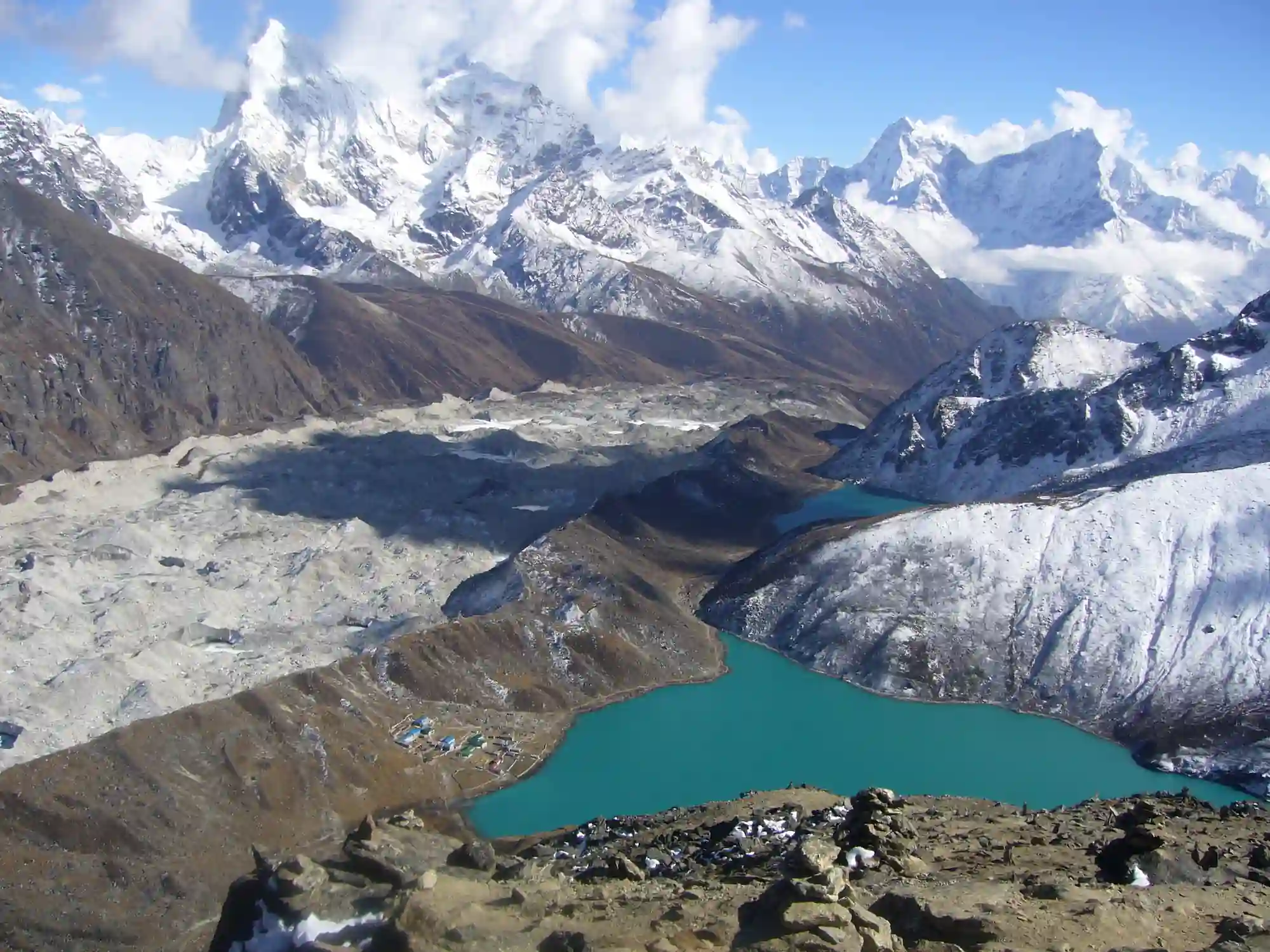
- Explore the breathtaking Gokyo Lakes — a chain of sacred turquoise glacial lakes
- Walk along the Ngozumpa Glacier, the longest glacier in Nepal
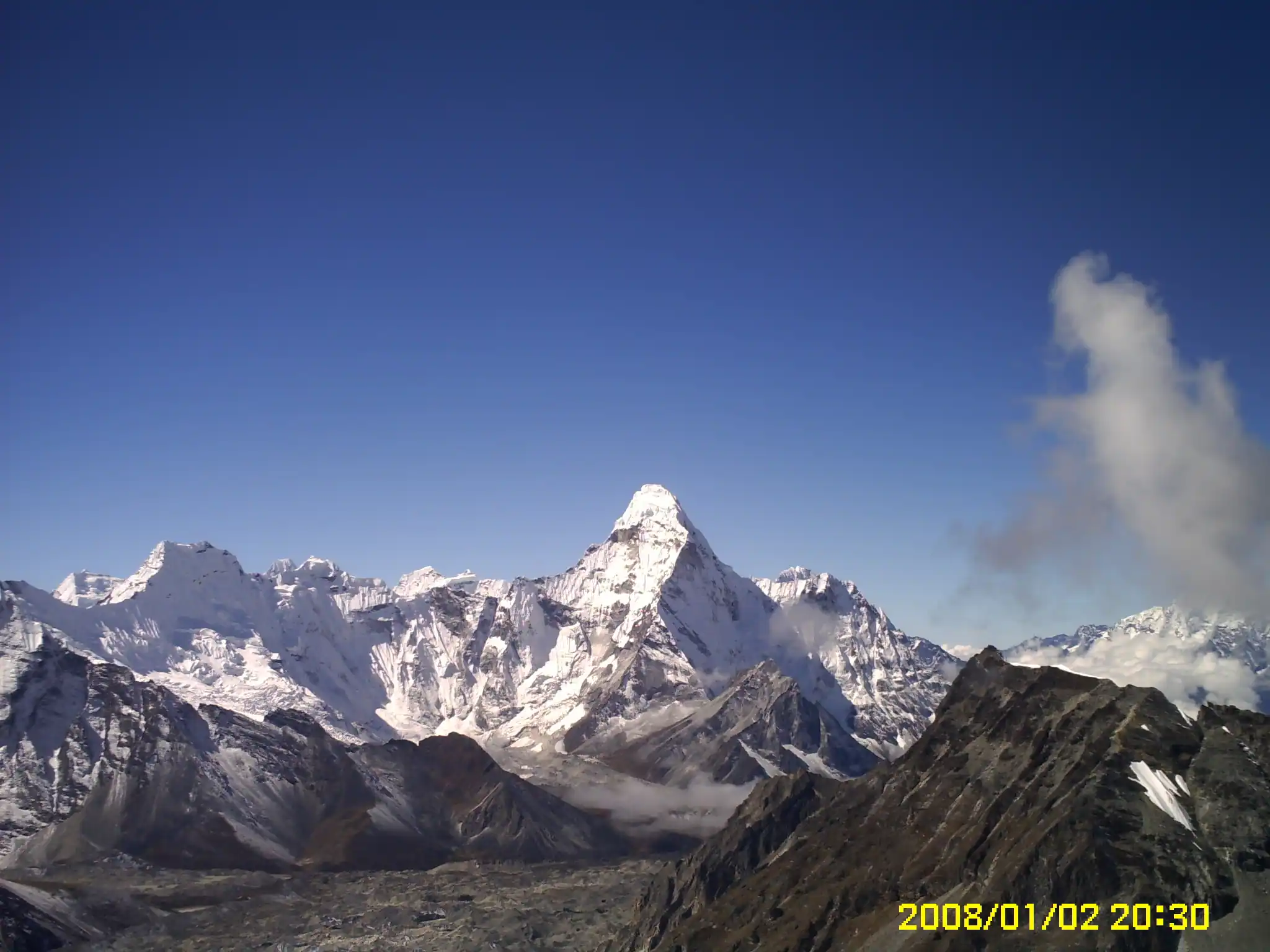
- Hike to Chhukung Ri (5,550m) for sweeping views of Lhotse, Ama Dablam, and Island Peak
- Spend time in Namche Bazaar, the lively trading hub of the Sherpa people
- Visit the revered Tengboche Monastery, the largest monastery in the Khumbu region
- Immerse in authentic Sherpa culture and traditions in remote mountain villages
Trip Summary
If you are looking for a trek that gives you everything: multiple Himalayan passes, Everest Base Camp, Gokyo Lakes, towering peaks, ancient monasteries, and warm Sherpa culture, the Everest Three Passes Trek is exactly that. This is not your average Everest trek. It takes you over three of the highest trekking passes in the world and lets you explore corners of the Khumbu region that most trekkers never see.
The 23-day itinerary is designed to give you enough time to acclimatize properly, enjoy every viewpoint, and not rush through the most spectacular mountain scenery on Earth. You will cross Renjo La (5,360m), Cho La (5,420m), and Kongma La (5,535m), each one rewarding you with jaw-dropping views of Everest, Lhotse, Cho Oyu, Makalu, and Ama Dablam.
When To Visit
If you want fewer crowds but still excellent conditions, aim for early October or mid-March to early April. These shoulder windows within the peak seasons offer the best of both worlds.
Itinerary
Welcome to Nepal! Upon your arrival at Tribhuvan International Airport, our team will greet you and transfer you to your hotel in Kathmandu. In the evening, you’ll have a welcome briefing where your trekking guide goes over the full itinerary, gear checks, and answers any questions you have. If time permits, take a short walk through the vibrant streets of Thamel — the travellers’ hub of Kathmandu. Overnight in Kathmandu.
The adventure truly begins with a short but spectacular 35-minute mountain flight to Tenzing-Hillary Airport in Lukla — one of the most dramatic airports in the world. The moment you step off the plane, the fresh mountain air and the energy of the Khumbu region hit you all at once. From Lukla, you trek downhill through pine forests and small Sherpa settlements along the Dudh Koshi River to reach Phakding for your first night on the trail.
Walking time: 3–4 hours.
Today is one of the most iconic walking days on any Everest trek. The trail winds through forests, crosses thrilling suspension bridges draped in prayer flags, and passes through the entry gate of Sagarmatha National Park at Monjo. After a steep climb through rhododendron forests, you arrive at Namche Bazaar the beating heart of the Khumbu. On a clear day, your first glimpse of Everest appears just above the ridge.
Walking time: 5–6 hours.
Rest days are not actually rest days on the Everest Three Passes Trek — they are strategic. Spending a full day at Namche allows your body to adjust to the altitude before going higher. You will hike up to the famous Everest View Hotel (3,880m), where you can enjoy panoramic views of Everest, Ama Dablam, Thamserku, and Kongde. Visit the weekend market, the Sherpa Culture Museum, and explore the bakeries and gear shops of Namche.
This is where the Everest Three Passes Trek diverges from the popular Everest Base Camp route. Instead of heading towards Tengboche, you take the trail westward toward Thame a quieter, less-trodden path. The trail follows the Bhote Koshi River valley, passing through yak pastures and juniper forests. Thame is a deeply spiritual village, home to the famous Thame Monastery and a community that has produced some of the world’s most legendary Sherpa climbers.
Walking time: 4–5 hours.
From Thame, the trail heads northwest and steadily gains elevation. As you walk higher, the landscape opens up into wide alpine meadows and rocky ridgelines. The trail passes a few seasonal herder huts before reaching Lungdeng (also called Lumde), a remote settlement used as a base before crossing Renjo La the next morning. The views of surrounding peaks begin to feel very close from here.
Walking time: 5–6 hours.
This is your first of the three passes and arguably the most scenic one. The climb to Renjo La is steady and steep, but the moment you reach the top, the world opens up in front of you. Standing at the Renjo La Pass, you see Everest, Lhotse, Makalu, and Cho Oyu all lined up on the horizon — and directly below, the shimmering turquoise waters of the Gokyo Lakes. The descent down to Gokyo is long but stunning. Gokyo is a magical high-altitude village situated at the edge of the Ngozumpa Glacier.
Walking time: 7–8 hours.
After the effort of crossing Renjo La, today is a chance to rest and explore. The hike up Gokyo Ri takes about 2 hours from the village and rewards you with one of the most spectacular panoramas in the entire Himalayas, six 8,000m peaks visible at once, including Everest, Lhotse, Makalu, Cho Oyu, Gyachung Kang, and Ngozumpa Kangri. Spend the rest of the day walking along the Gokyo Lakes shoreline. The third lake, Dudh Pokhari, is the most sacred and beautiful of the chain.
Today you leave Gokyo and begin moving toward Cho La. The trail heads south along the edge of the Ngozumpa Glacier, Nepal’s largest glacier, a raw, dramatic landscape of grey ice and rocky moraine. The route can be a little tricky to navigate through the glacial terrain, which is why having a knowledgeable guide here makes all the difference. You overnight at Thangnak, a small settlement used as a base for the Cho La crossing.
Walking time: 4–5 hours.
The second high pass of the trek is the most physically demanding one. The climb to Cho La is a mix of rocky trail and a short glaciated section near the top that requires careful footing. Trekking poles and gaiters are very useful here. At the top, you are rewarded with views across the Khumbu Valley. The descent to Dzongla is steep and leads you into a completely different landscape, a wide valley surrounded by sharp ridges and towering peaks.
Walking time: 6–7 hours.
A shorter walking day that gives your legs some recovery time after the intense Cho La crossing. The trail descends from Dzongla and then climbs steadily to Lobuche, a scattered settlement along the Khumbu Glacier moraine. Above the trail, you will notice the memorial chortens built in honor of climbers and Sherpas who have lost their lives on Everest. It’s a sobering and deeply meaningful part of the route.
Walking time: 3–4 hours.
Today is one of the most anticipated days of the entire journey. From Lobuche, you trek along the lateral moraine of the Khumbu Glacier to Gorakshep — the last settlement before Everest Base Camp. After dropping your bags and having lunch, you continue on to Everest Base Camp (5,364m). You walk across the rocky Khumbu Glacier to reach the base of the Khumbu Icefall. Standing here, looking up at the ice towers and listening to the occasional crack of the glacier, you truly understand why Everest commands such respect. Return to Gorakshep for the night.
Walking time: 7–8 hours.
Wake up before sunrise and begin the steep climb to Kala Patthar. At 5,545m, this is the highest point of the entire trek and the most iconic Everest viewpoint in the world. Watching the first rays of sunlight paint Everest golden against a deep blue sky is an experience you carry with you for the rest of your life. After taking in the views, descend all the way back past Lobuche and continue to Dzongla to prepare for the final pass crossing.
Walking time: 7–8 hours
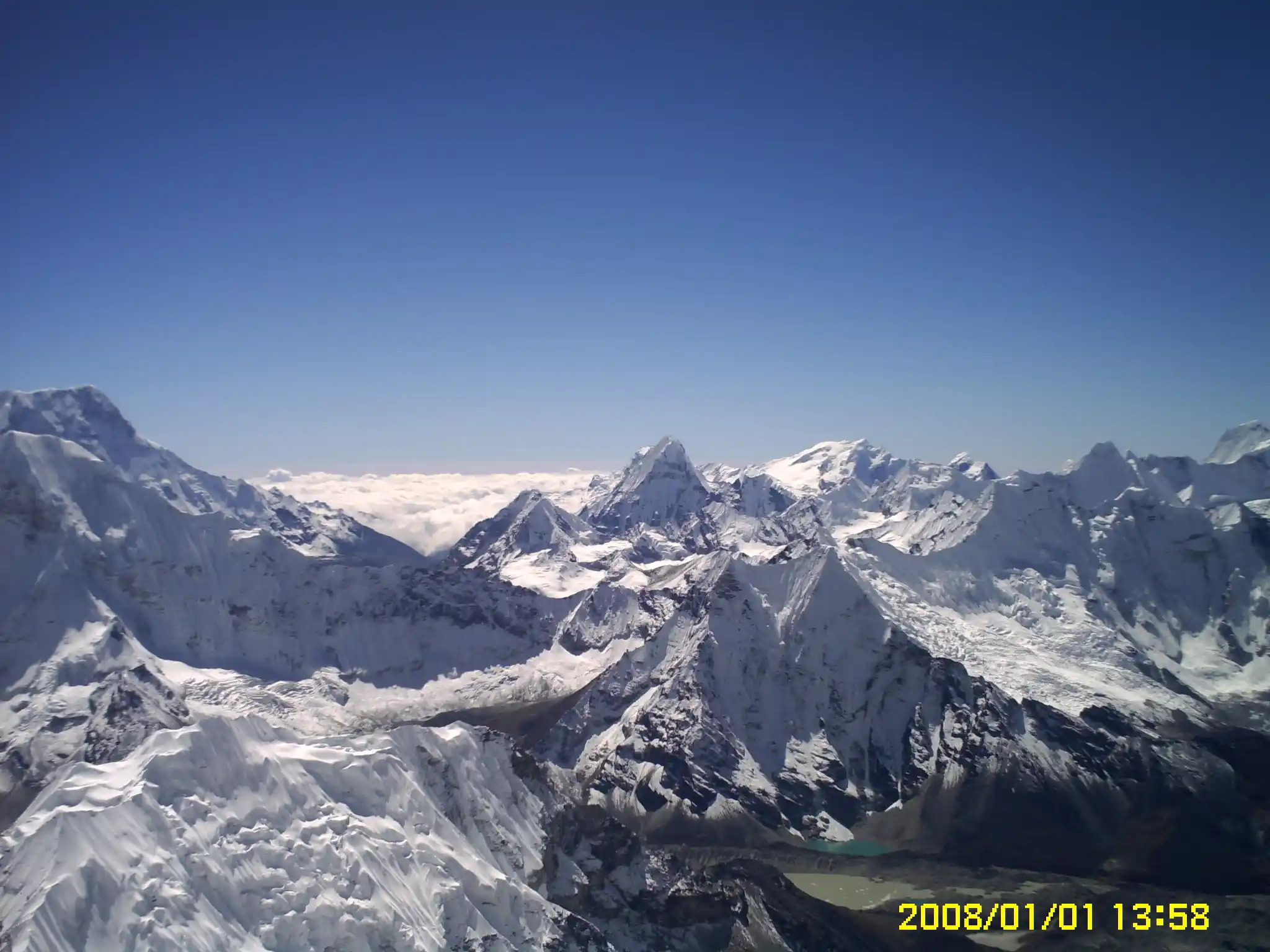
The final and highest of the three passes. Kongma La (5,535m) is a rugged, remote, and less-traveled crossing that takes you from the Khumbu Valley into the beautiful Imja Valley. The ascent is steep and the terrain is rocky, but the silence and solitude up here are remarkable. Once you cross the pass, the descent leads you down through glacial moraines to the quiet village of Chhukung, nestled beneath the towering face of Island Peak.
Walking time: 7–8 hours.
From Chhukung, the optional but highly recommended hike to Chhukung Ri offers one of the most underrated panoramas of the Everest region. Standing at 5,550m, you look directly at the southern face of Lhotse, the stunning ridgeline of Ama Dablam, Island Peak, and the entire Imja Glacier below. It’s a long hike but a deeply rewarding one. Rest of the day, relax in Chhukung and enjoy some well-deserved rest after three consecutive pass crossings.
Hike time: 4–5 hours return
Heading back towards lower altitudes, you descend through Dingboche and then climb across to Tengboche, home to the famous Tengboche Monastery, the largest and most revered monastery in the Khumbu region. If you’re lucky, you may witness the evening puja (prayer ceremony) as the monks chant in the dimly lit gompa surrounded by butter lamps. The views of Ama Dablam from Tengboche are among the most photographed in Nepal.
Walking time: 6–7 hours.
The trail from Tengboche descends steeply through rhododendron forests to Phunki Tenga and then climbs back up to Namche. At this point in the trek, you’ll notice how much fitter and stronger your body feels compared to when you first arrived in Namche. Celebrate with a hot coffee and a slice of apple pie at one of Namche’s famous bakeries.
Walking time: 4–5 hours
The final full trekking day. You retrace parts of the trail along the Dudh Koshi River, cross the suspension bridges one last time, and climb back up to Lukla. The mood is a mix of exhaustion, pride, and a quiet sadness that the mountains are behind you. Celebrate your incredible achievement with your guide and porter over dinner in Lukla.
Walking time: 6–7 hours.
An early morning flight takes you back to Kathmandu. Mountain flights are subject to weather, so flexibility is important. Once back in Kathmandu, freshen up and enjoy a free afternoon to explore the city, shop for souvenirs, or simply relax.
These three days are built into the itinerary as buffer days for potential Lukla flight delays due to weather. If your flight returns on schedule, these days become free time in Kathmandu. Visit UNESCO World Heritage Sites like Pashupatinath Temple, Boudhanath Stupa, Swayambhunath (Monkey Temple), and Patan Durbar Square. You can also use this time for any last-minute shopping or a relaxing spa day.
Your journey ends here, but the memories and the sense of achievement will last a lifetime. Our team will transfer you to the international airport for your departure flight. Safe travels!
Trek Difficulty & Physical Demands
The Everest Three Passes Trek is rated strenuous to challenging, one of the most demanding teahouse treks in Nepal. Here is what to expect:
- Altitude: You will spend multiple days above 5,000m and cross three passes over 5,360m. Altitude sickness is a real risk that you must take seriously.
- Distance: You trek approximately 170–180 km over 16–17 walking days.
- Daily effort: Expect 5–9 hours of walking per day on uneven, steep, and sometimes glaciated terrain.
- Physical fitness: You need a solid base of cardiovascular fitness before arriving. Regular hiking, running, or cycling for at least 3–4 months before the trek is strongly recommended.
- Technical sections: The Cho La Pass has a short glaciated section. Crampons are sometimes required in winter. Trekking poles are essential on all three passes.
- Mental strength: The combination of altitude, cold, and long days means mental resilience matters as much as physical fitness.
This trek is not suitable for first-time trekkers or those with no high-altitude experience. Prior experience with the Everest Base Camp Trek or a similar high-altitude trek is a significant advantage.
Best Time to Trek: Seasonal Comparison
The best time to do the Everest Three Passes Trek is during the two main trekking seasons in Nepal, spring and autumn. Both seasons offer stable weather, clear skies, and the best mountain views.
- Spring (March to May) is the most popular season. The rhododendrons are in full bloom, the trails are alive with color, and the weather is warming up. This is also peak climbing season on Everest, so you will see expedition teams at Base Camp.
- Autumn (September to November) is the second-best season. The monsoon has just cleared, the air is crisp and fresh, visibility is excellent, and the trails are less crowded than spring. October and November are peak months for autumn trekking.
- Winter (December to February) is possible but very cold. The passes can be icy and dangerous, and some teahouses close. Only for experienced cold-weather trekkers.
- Monsoon (June to August) is not recommended for this trek. Trails are wet and slippery, mountain views are obscured by clouds, and the passes become risky.
Booking Your Everest Three Passes Trek – 23 Days
Booking the Everest Three Passes Trek is simple, and we are here to guide you through every step.
Step 1 — Contact us via our website, WhatsApp, or email with your preferred travel dates and group size. We will send you a detailed itinerary and cost breakdown.
Step 2 — Confirm your booking by paying a 20% deposit. This secures your spot and allows us to begin permit applications and logistics planning.
Step 3 — Prepare for your trek. We will send you a full pre-departure guide covering fitness training, gear lists, altitude sickness awareness, and what to expect day by day.
Step 4 — Arrive in Kathmandu. We pick you up from the airport, brief you on the trek, and sort out any last-minute gear needs.
Step 5 — Trek and experience the Himalayas at your own pace, supported by our expert guides every step of the way.
Step 6 — Pay the balance before departing Kathmandu for the trek. The remaining 80% is due on arrival.
Cancellation Policy:
- Cancellation 30+ days before departure: Full deposit refunded minus bank charges
- Cancellation 15–29 days before: 50% refund
- Cancellation less than 15 days: No refund (deposit forfeited)
Important: Travel insurance with emergency helicopter evacuation coverage is mandatory for all trekkers on this route. Please ensure your policy covers activities above 5,500m.
Cost Details
Cost Includes
- Airport pick-up and drop-off in Kathmandu
- Kathmandu–Lukla–Kathmandu domestic flights (round trip)
- 3 nights’ accommodation in Kathmandu (bed & breakfast, 3-star hotel)
- All teahouse accommodation during the trek
- All meals during the trek (breakfast, lunch, and dinner)
- An experienced, English-speaking, government-licensed trekking guide
- One porter for every two trekkers (max 15 kg per porter)
- All required trekking permits:
- Sagarmatha National Park Entry Permit
- Khumbu Pasang Lhamu Rural Municipality Permit (TIMS)
- Local area permits
- Guide and porter wages, meals, accommodation, and insurance
- All government and local taxes
- Duffle bag and sleeping bag rental (if needed)
- Emergency evacuation arrangement (cost covered by your travel insurance)
- Company-issued First Aid Kit
Cost Excludes
- Nepal entry visa fee (approx. USD 50 for 30 days)
- International flights to/from Kathmandu
- Travel insurance with emergency evacuation coverage (required)
- Extra nights in Kathmandu due to personal reasons or flight delays beyond buffer days
- Meals and beverages in Kathmandu (except breakfast)
- Personal trekking gear and clothing
- Hot showers, Wi-Fi, battery charging, and device charging along the trek
- Personal snacks, bottled water, energy drinks, and alcoholic beverages
- Porter tips and guide gratuity (recommended, not mandatory)
- Personal expenses such as souvenirs, laundry, and phone calls
- Helicopter evacuation costs (must be covered by travel insurance)
Trip Gallery
Trek Essentials
- Base layer (thermal top and bottom) x 2
- Mid-layer fleece or softshell jacket
- Down jacket or puffy (essential for above 4,000m)
- Waterproof hardshell jacket and trousers
- Trekking trousers x 2–3 pairs
- Warm trekking socks (wool or synthetic) x 4–5 pairs
- Thermal gloves + outer waterproof gloves or mittens
- Warm hat / beanie and sun hat with brim
- Neck gaiter or buff
- Comfortable base layer shorts or leggings
- Waterproof, ankle-support trekking boots (well broken-in)
- Camp sandals or light shoes for teahouse evenings
- Gaiters (for snow and Cho La Pass glaciated section)
- Trekking poles (collapsible, strongly recommended)
- Daypack (20–25 liters) for personal use while trekking
- Duffel bag (60 liters) for the porter
- Sleeping bag rated to -15°C to -20°C
- Headlamp with spare batteries
- Sunglasses (UV400 or glacier glasses for pass days)
- Water bottle (1–2 liters) or hydration bladder
- Water purification tablets or filter
- Diamox (acetazolamide) for altitude sickness — consult your doctor before the trek
- Personal first aid kit (blister pads, ibuprofen, bandages, antiseptic)
- Sunscreen SPF 50+ and lip balm
- Hand sanitizer and wet wipes
- Diarrhea medication and oral rehydration salts
- Personal prescription medications
- Valid passport (at least 6 months validity)
- Nepal visa and copies
- Travel insurance policy documents with emergency evacuation coverage
- Passport-sized photos (for permits)
Final Thoughts:
The Everest Three Passes Trek is one of the most complete Himalayan adventures you can do without ropes and technical climbing skills. In 23 days, you go beyond the typical trekking routes, cross three of the world’s highest trekking passes, stand at Everest Base Camp, hike to the most iconic sunrise viewpoint on the planet, and experience the raw, humbling beauty of the Khumbu Himalayas in a way that very few travelers ever do.
It is not an easy trek. It demands physical preparation, mental strength, and genuine respect for the mountains. But for every challenging step, the Himalayas repay you with something extraordinary — a view, a moment, a feeling of being truly alive in one of the most magnificent places on Earth.
If you’ve been waiting for a trek that truly tests you and truly transforms you, this is it.
Your Adventure to Annapurna Base Camp Trek Starts Here
Start your journey with trusted local experts and discover the beauty, culture, and adventure waiting in the Himalayas and beyond.
Frequently Asked Questions
Everything you need to know about the AASRA ECO TREK
Yes, it is significantly more challenging. The Three Passes Trek covers a much greater distance, crosses three passes all above 5,360m, involves more technical terrain (including a glaciated section on Cho La), and requires more days of trekking above 5,000m. Prior trekking experience at altitude is highly recommended.
Yes. This trek is not recommended for first-time trekkers. You should ideally have completed at least one high-altitude trek (above 4,000m) previously. Good physical fitness and experience with multi-day hiking is essential.
You will need the Sagarmatha National Park Entry Permit, the Khumbu Pasang Lhamu Rural Municipality Permit, and TIMS (Trekkers’ Information Management System) card. All of these are included in our package.
The risk is real and should be taken seriously. The 23-day itinerary includes multiple acclimatization days to reduce this risk, and your guide is trained to recognize symptoms. Consulting your doctor about Diamox (acetazolamide) before the trek is strongly advised. Never push through symptoms — always communicate with your guide.
Yes. Kathmandu, particularly the Thamel area, has hundreds of shops offering both rental and purchase of trekking equipment. Sleeping bags, down jackets, trekking poles, gaiters, and duffel bags are all widely available. Renting is a cost-effective option if you don’t trek regularly.
Absolutely. Travel insurance with emergency helicopter evacuation coverage is mandatory for this trek. Given the remote high-altitude nature of the route, an evacuation helicopter from above 5,000m can cost USD 3,000–6,000 or more. Your insurance must cover activities at altitude above 5,500m.
Teahouses along the route serve a good variety of local and international dishes — dal bhat (rice, lentils, and vegetables), noodle soups, pasta, porridge, eggs, momo (dumplings), Tibetan bread, and more. The food is nutritious and filling. Three meals per day are included in the package.
All international flights arrive at Tribhuvan International Airport in Kathmandu. Nepal is well connected to major Asian hubs including Dubai, Delhi, Bangkok, Doha, Singapore, and Kuala Lumpur. You can obtain a Nepal visa on arrival at the airport.
Start training at least 3–4 months before departure. Focus on cardiovascular fitness (hiking, running, cycling), leg strength (squats, lunges, step-ups), and core strength. Practice hiking with a loaded pack on uneven terrain. Day hikes with elevation gain are the most effective preparation.
Yes. We offer flexible itinerary customization based on your fitness level, experience, and available time. Contact us to discuss options for shorter or longer versions of this trek, or to add on Island Peak or Mera Peak climbing.