 Plan Your Trip
Gokyo Valley Thame Trek — 20 Days
Trip Overview

Trek Region
Everest

Difficulty Level
Hard

Trek Starts at
Kathmandu

Transport
Flight

Trek Ends at
Kathmandu

Total Trip Duration
20 Days

Max Elevation
5,483 m
Trip Highlights
Here is what makes this trek truly special:
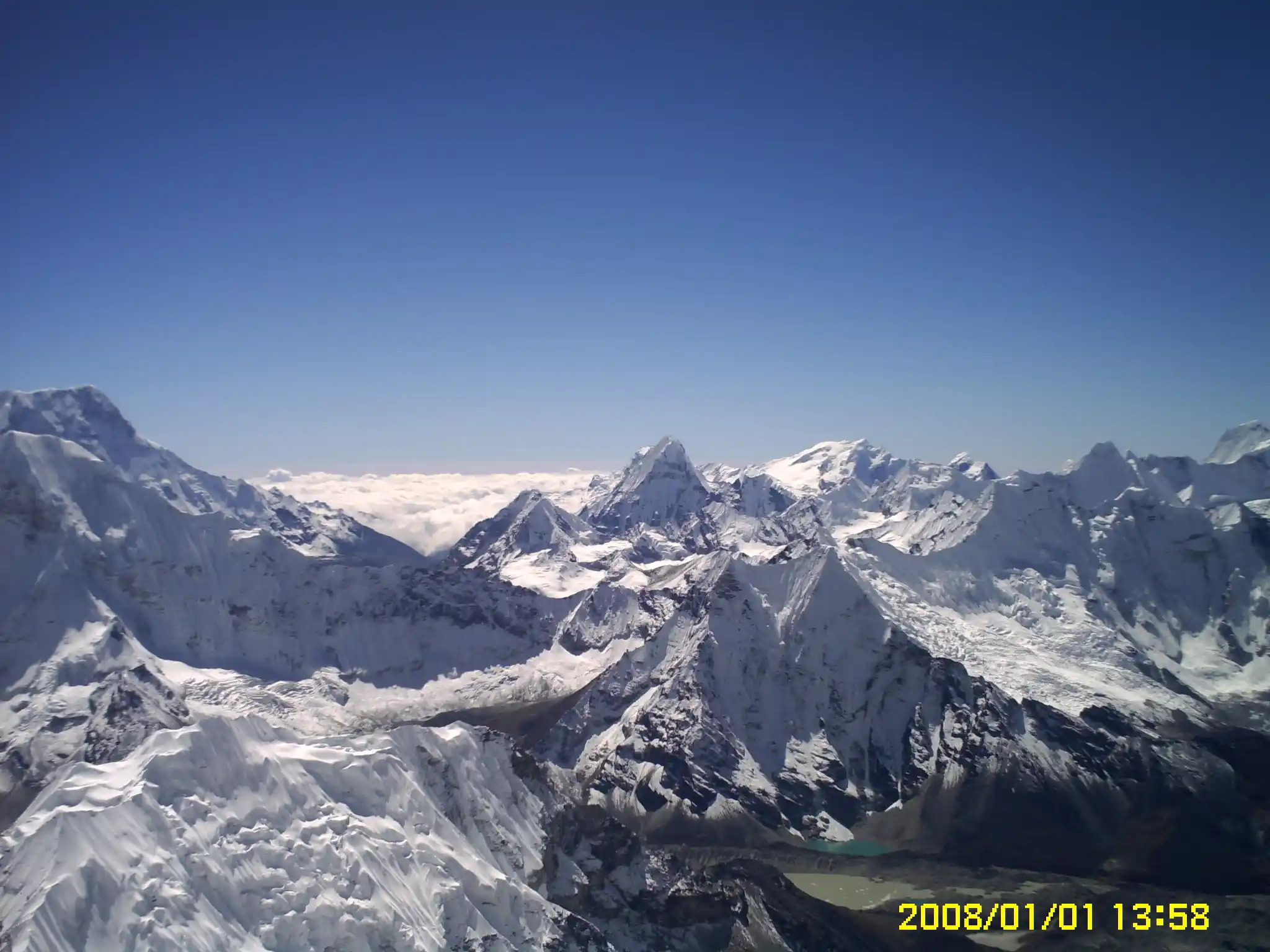
- Stand on top of Gokyo Ri (5,483 m) for a panoramic view of four 8,000-metre peaks including Everest, Lhotse, Makalu, and Cho Oyu
- Walk along the shores of the Gokyo Lakes — a chain of six sacred glacial lakes sitting above 4,700 metres
- Explore Thame Village, a deeply spiritual Sherpa community rarely visited by trekkers
- Cross the dramatic Renjo La Pass (5,360 m) for sweeping Himalayan views
- Walk on the massive Ngozumpa Glacier, the largest glacier in Nepal
- Visit Namche Bazaar, the gateway to Everest and a lively mountain town
- Acclimatise properly with rest days built into the schedule
- Experience authentic Sherpa culture, monasteries, and local teahouse life
- Relatively off-the-beaten-path compared to the EBC route — fewer crowds, more peace
- Complete the loop back through Thame and return via Namche, creating a beautiful circuit
Trip Summary
The trek begins and ends in Kathmandu. After a day of preparation and briefing in the city, you fly to Lukla on Day 2 — a short but spectacular mountain flight that sets the tone for the entire adventure.
From Lukla, you follow the classic Khumbu trail through Phakding and up to Namche Bazaar, which serves as your main acclimatisation base. Namche is a colourful, buzzing Sherpa town with bakeries, gear shops, and stunning mountain views. You spend two nights here, exploring the local area and letting your body adjust to the altitude.
From Namche, the trail splits. Instead of heading toward Everest Base Camp, you take the less-travelled path northwest toward the Gokyo Valley. The route passes through Dole, Machhermo, and eventually reaches the Gokyo Lakes area — one of the most beautiful landscapes in all of Nepal.
A rest and exploration day in Gokyo lets you climb Gokyo Ri, walk the glacier, and sit by the sacred lakes. Then comes the most adventurous section — crossing Renjo La Pass at 5,360 metres, which offers some of the finest mountain views on the entire trek. You descend to Lungden and then loop back toward Thame, a hidden gem of a village that most Everest trekkers completely miss.
From Thame, the trail connects back to Namche, and you make your way down to Lukla for the return flight to Kathmandu. The last two days are for rest, celebration, and any optional sightseeing in the capital.
When To Visit
Itinerary
Arrive at Tribhuvan International Airport, meet your guide, and transfer to your hotel. The evening includes a welcome dinner and a full trek briefing — gear check, permits, and route overview.
The morning flight to Lukla (2,860 m) is one of the most exciting short flights in the world. From Lukla, the trail descends gently along the Dudh Koshi River to the village of Phakding. It is a warm-up day — easy walking, beautiful forest, and your first taste of mountain air.
Today is the first big day. The trail crosses several suspension bridges draped in prayer flags, passes through Monjo (the entry point to Sagarmatha National Park), and then climbs steeply up to Namche Bazaar. Your first views of Everest peek out from above the ridgeline as you arrive.
Rest day, but not a lazy one. Hike up to the Everest View Hotel for a classic Himalayan sunrise. Visit the Sherpa Culture Museum and the weekly Saturday market. Walk through Namche’s colourful streets and enjoy a proper meal before your next push.
Leaving Namche, the trail heads northwest through Mong La and Phortse Thanga before climbing steadily to Dole. The vegetation thins out, yaks replace cattle on the trail, and the scenery becomes bigger and more dramatic.
A shorter day by design — altitude management is key here. Machhermo is a quiet cluster of teahouses known for a famous yeti sighting in 1974. Whether you believe it or not, the story makes for great dinner conversation.
The trail follows the Dudh Koshi north, passing the first and second Gokyo Lakes before arriving at Gokyo village beside the third lake. The colour of the water here — a deep turquoise green — is unforgettable. Ngozumpa Glacier stretches out alongside the trail.
This is the highlight day. Start before dawn and climb Gokyo Ri for sunrise. On a clear morning, you see Everest, Lhotse, Makalu, and Cho Oyu all at once. Spend the afternoon walking by the fourth lake or simply resting and absorbing the silence.
Head back south briefly, then divert toward Thangnak, a small settlement used as a base for Cho Oyu expeditions. Walk on the surface of Ngozumpa Glacier — the largest glacier in Nepal — a truly raw and otherworldly experience.
The big pass day. Renjo La is hard work, but the views from the top are among the best in the Everest region — a full panorama of the Gokyo Lakes below, Everest ahead, and the entire Khumbu spread out in every direction. Descend to Lungden village.
Descend steadily from Lungden into the Bhote Koshi Valley and arrive in Thame — one of the most authentic and peaceful Sherpa villages in Nepal. Many legendary Sherpa climbers, including Tenzing Norgay’s family, have roots here.
Explore Thame Monastery, one of the most important Gompa in the Khumbu region. Walk through the village, meet locals, and watch the rhythm of daily Sherpa life. This is the cultural heart of the trek.
An easy downhill walk brings you back to Namche. Celebrate with a good meal, stock up on snacks, and enjoy your last night at altitude before the long descent to Lukla begins.
The descent begins. The knees feel it, but the spirits are high. Pass through familiar villages and cross the swinging suspension bridges one last time.
Arrive in Lukla by early afternoon. The evening is for celebration — dinner with your guide and porter, sharing stories, and tipping the crew who made your trek possible.
Morning flight back to Kathmandu. Afternoon is free for shopping in Thamel, visiting Boudhanath Stupa, or simply collapsing at the hotel with a hot shower.
These days are intentionally kept as buffer for weather delays (Lukla flights are frequently delayed or cancelled). They can also be used for optional sightseeing — Pashupatinath, Swayambhunath, Patan Durbar Square — or cultural activities.
Transfer to the airport for your international flight home. Trek complete.
Trek Difficulty & Physical Demands
This trek is rated Strenuous. It is not a beginner trek, but it is absolutely doable for anyone who is fit, mentally prepared, and takes acclimatisation seriously.
Here is what makes it challenging:
- Maximum altitude of 5,483 m (Gokyo Ri) — altitude sickness is a real risk
- Renjo La Pass at 5,360 m — a long, steep ascent and descent on rocky terrain
- 20 days of consecutive walking — total trail distance of approximately 160–170 km
- Variable weather — cold nights, strong winds at high altitude, occasional snow
- Limited facilities above Namche — hot showers, charging, and Wi-Fi become luxuries
Who should do this trek:
- Trekkers who have done at least one multi-day high-altitude trek before
- People who exercise regularly (hiking, running, cycling) and can walk 5–7 hours a day
- Anyone willing to listen to their guide and not rush the acclimatisation schedule
Who should consult a doctor first:
- Anyone with a history of heart, lung, or blood pressure conditions
- People who have never been above 3,000 m before
- Trekkers over 60 or under 16 — not excluded, but medical clearance is wise
Proper preparation, good gear, and a slow and steady pace will get most people to the top.
Best Time to Trek: Seasonal Comparison
The Gokyo Valley Thame Trek is a four-season destination, but the experience varies significantly depending on when you go. Choosing the right season can make or break your trip.
- Spring (March to May) is the most popular season. The weather is stable, the skies are clear, and the rhododendron forests below Namche burst into red and pink bloom. Temperatures at high altitude are cold but manageable, and visibility for mountain views is excellent. This is peak trekking season — expect more people on the trail, especially in April.
- Autumn (September to November) is equally popular and arguably the best time for mountain photography. After the monsoon clears, the air is freshly washed and the views are crystal clear. October is the golden month — stable weather, dry trails, and vibrant post-monsoon colours.
- Winter (December to February) is cold, quiet, and surprisingly doable for experienced trekkers. The trails are less crowded, teahouses are cheap, and the snow-covered landscapes are breathtaking. However, Renjo La Pass may be blocked by snow, and temperatures can drop to -15°C or lower at night above 4,500 m.
- Monsoon (June to August) is not recommended. Heavy rainfall makes trails slippery, leeches appear on lower sections, and cloud cover blocks mountain views for days at a time.
Best Time to Trek: Seasonal Comparison
| Season | Months | Weather | Crowds | Recommended |
|---|---|---|---|---|
| Spring | Mar–May | Warm days, clear skies | High | Yes |
| Summer/Monsoon | Jun–Aug | Rainy, cloudy, humid | Low | No |
| Autumn | Sep–Nov | Clear, crisp, perfect | High | Yes (Best) |
| Winter | Dec–Feb | Cold, snowy, dry | Very Low | For experienced trekkers |
Our top pick: October–November. The skies are crystal clear post-monsoon, the air is dry, and the mountain views are at their absolute finest. Spring (April) is a close second, especially if you want flowering landscapes.
Booking Your Gokyo Valley Thame Trek — 20 Days
Booking with us is straightforward. Here is how it works:
Step 1 — Inquiry Send us a message through our website or WhatsApp with your preferred dates, group size, and any special requirements. We respond within 24 hours.
Step 2 — Customise Your Trip We will put together a detailed itinerary and quote based on your group and preferences. Want to add a helicopter return from Lukla? Need vegetarian or vegan meals on the trail? Just tell us.
Step 3 — Confirm and Deposit Once you are happy with the plan, confirm your booking with a 20% deposit. The remaining 80% is due on arrival in Kathmandu before the trek begins.
Step 4 — Pre-Trek Preparation We will send you a detailed packing list, training suggestions, and information on getting your Nepal visa, travel insurance, and gear sorted before you fly.
Step 5 — Trek Day Arrive in Kathmandu, meet your guide, and get ready for the adventure of a lifetime.
Cancellation Policy:
- Cancel 30+ days before departure: full refund of deposit
- Cancel 15–29 days before: 50% refund of deposit
- Cancel less than 15 days before: deposit is non-refundable
- We strongly recommend travel insurance that covers trip cancellation
Cost Details
Cost Includes
- All airport and hotel transfers in Kathmandu
- 2 nights hotel accommodation in Kathmandu (3-star, B&B)
- Kathmandu–Lukla–Kathmandu flights (both ways)
- All teahouse accommodation during the trek (twin sharing)
- All meals during the trek (breakfast, lunch, dinner)
- Experienced, licensed English-speaking trekking guide
- One porter per two trekkers (carrying up to 15 kg)
- Sagarmatha National Park entry permit
- Khumbu Pasang Lhamu Rural Municipality fee
- TIMS card (Trekkers’ Information Management System)
- First aid kit and pulse oximeter
- All government and local taxes
Cost Excludes
- International flights to/from Kathmandu
- Nepal visa fee (approx. USD 50 for 30 days)
- Travel and rescue insurance (mandatory — must cover helicopter evacuation)
- Personal trekking gear and equipment
- Snacks, extra drinks, hot showers, and battery charging on the trail
- Tips for guide and porter (recommended)
- Any costs due to flight delays, early departure, or emergency evacuation
Trip Gallery
Trek Essentials
Packing smart is just as important as training hard. Here is what you need:
- Moisture-wicking base layers (top and bottom)
- Mid-layer fleece or down jacket
- Windproof and waterproof outer shell jacket and pants
- Warm hat, buff/neck gaiter, and sun hat
- Gloves (thin liner + heavy outer for high altitude)
- Trekking socks (wool-based, multiple pairs)
- Gaiters (useful for snow sections near the pass)
- Sturdy waterproof trekking boots (broken in before the trek)
- Camp sandals or lightweight shoes for evenings
- 50–60 litre backpack (your porter carries the bulk; you carry a daypack)
- Trekking poles (highly recommended — saves your knees)
- Sleeping bag rated to -10°C or lower
- Headlamp with extra batteries
- Sunglasses (UV400 or glacier glasses for the pass)
- Water bottles or hydration bladder (3 litres capacity recommended)
- Water purification tablets or a Steripen
- Diamox (acetazolamide) — consult your doctor before the trek
- Personal first aid kit (blister plasters, antiseptic, painkillers)
- Sunscreen SPF 50+ and lip balm
- Hand sanitiser
- Travel and evacuation insurance documents (physical copy)
- Passport (original)
- Passport-size photos (4 copies minimum)
- Travel insurance policy with emergency contact number
- Any medical prescriptions
Final Thoughts:
The Gokyo Valley Thame Trek is not the most famous route in Nepal, and honestly, that is part of what makes it so special. You get the drama of high-altitude Himalayan trekking glaciers, passes, sacred lakes, and jaw-dropping peaks without the shoulder-to-shoulder crowds of the standard Everest Base Camp route.
Gokyo Ri will give you one of the finest views in the world. Renjo La will test you. Thame will slow you down in the best possible way. And by the time you fly back to Kathmandu on Day 16, you will have walked through some of the most beautiful, spiritually rich, and humanly compelling landscapes on the planet.
This trek suits those who want the full Khumbu experience, not just the Instagram shot, but the whole journey. The tired legs, the cold mornings, the butter tea, the yak bells, the monks, the mountains. All of it.
If you are ready, we are ready. Come trek with us.
Your Adventure to Annapurna Base Camp Trek Starts Here
Start your journey with trusted local experts and discover the beauty, culture, and adventure waiting in the Himalayas and beyond.
Frequently Asked Questions
Everything you need to know about the AASRA ECO TREK
Prior high-altitude experience is strongly recommended. You do not need to be a mountaineer, but you should be physically fit and comfortable walking 5–7 hours a day for multiple days. If you have completed a trek like the Annapurna Circuit, Langtang Valley, or even a long multi-day trail in your home country, you are likely ready.
Yes. The trek reaches 5,483 m on Gokyo Ri and crosses Renjo La at 5,360 m. Altitude sickness (AMS) is a real risk above 3,000 m for anyone, regardless of fitness. We have built acclimatisation days into the itinerary and our guides carry pulse oximeters to monitor oxygen levels daily. We also recommend consulting your doctor about Diamox before departure.
You can legally trek in the Khumbu without a guide, but we strongly advise against it on this route. Renjo La Pass is remote and has limited rescue access. A guide provides safety, navigation, cultural insight, and emergency support. It also directly supports local employment in Nepal’s mountain communities.
You should be able to walk 5–7 hours a day with a light daypack (5–7 kg) for consecutive days. In the 2–3 months before the trek, focus on cardio (hiking, running, cycling) and leg strength training. Practice hiking uphill with a loaded pack as much as possible. Your fitness will make or break the pass crossing day.
All accommodation is in teahouses — small family-run lodges offering a bed, blanket, and meals. Rooms are basic but warm and comfortable. Above Namche, rooms are generally twin-sharing with shared bathrooms. We always try to book the best available teahouses along the route.
Yes. Nepal’s trekking trail food is naturally very vegetarian-friendly. Dal bhat (lentil soup with rice), vegetable noodles, pasta, porridge, and chapati are all widely available. Vegan options are also easy to arrange — just let us know when you book and we will brief your guide accordingly.
Lukla is a mountain airstrip and flight cancellations due to weather are common. This is exactly why we have built buffer days (Days 17–19) into the itinerary. If delays extend beyond the buffer, your guide will assist with rebooking and accommodation arrangements. This is also why comprehensive travel insurance is mandatory, not optional.
Yes, absolutely. Your insurance must cover emergency helicopter evacuation from high altitude. This is non-negotiable. A helicopter evacuation from Gokyo or near the pass can cost USD 3,000–6,000 without insurance. Do not cut corners on this.
The pass day (Day 10) is the hardest day on the trek. Train specifically by hiking uphill for extended periods with a loaded pack. On the trek itself, stay hydrated, eat well the night before, start early to beat afternoon wind and cloud, and follow your guide’s pace. The descent is steep and rocky, so trekking poles are very useful.
Yes. We can adjust departure dates, add or remove days, include a helicopter return from Lukla, combine this trek with an Everest Base Camp extension, or customise meals and accommodation. Contact us with your ideas and we will build the right package for you.