 Plan Your Trip
Lhasa Tour (4N/5D) — 9 Days
Trip Overview

Trek Region
Tibet

Difficulty Level
Easy

City Accommodation
3 Nights at 3-Star Hotel

Trek Starts at
Lhasa, Tibet

Transport
Flight + Private Vehicle
Mountain Accommodation
Guesthouse / Hotel

Trek Ends at
Lhasa, Tibet

Total Trip Duration
9 Days

Max Elevation
5,630m

Trekking Duration
3–4 Days Light Walking

Meals
B – City / BLD – Mountain
Trip Highlights
- Stand before the Potala Palace, the 13-storey winter residence of the Dalai Lama rising 117 meters above Lhasa’s Red Hill, one of the most recognizable and awe-inspiring structures in the entire world.
- Explore Jokhang Temple, the holiest shrine in Tibetan Buddhism, built in 647 AD and still filled daily with pilgrims circling the outer kora path with prayer wheels spinning and butter lamps burning inside.
- Walk the Barkhor Circuit, the ancient pilgrimage path encircling Jokhang Temple where monks, nomads, traders, and locals have walked in clockwise devotion for over 1,300 years.
- Visit Sera Monastery and watch the famous monk debates — a centuries-old tradition where monks clap, gesture, and challenge each other on Buddhist philosophy in the open courtyard every afternoon.
- See the turquoise waters of Yamdrok Lake from high above, one of Tibet’s four sacred lakes stretching 72 kilometers across a high-altitude valley surrounded by snow-capped peaks at 4,441m.
- Explore Drepung Monastery, once the largest monastery in the world with over 10,000 monks in residence, set into the hillside above Lhasa with sweeping views across the valley.
- Discover the Norbulingka Palace, the Dalai Lama’s summer residence and UNESCO World Heritage Site, surrounded by parkland and filled with murals, throne rooms, and meditation gardens.
- Experience authentic Tibetan culture through local market visits, traditional meals, butter tea ceremonies, and conversations with Tibetan families in the old quarter of Lhasa.
Trip Summary
Why Choose the Lhasa Tour
Tibet is one of the most spiritually charged places on the planet. Sitting at an average elevation of over 4,000 meters on the roof of the world, it has kept its culture, its architecture, and its way of life largely intact through centuries of isolation and challenge. The Lhasa Tour gives you the most complete and accessible introduction to this extraordinary place in just 9 days.
Lhasa itself is the heart of Tibet. Every road, every pilgrimage route, every prayer flag eventually leads back here. The city holds the Potala Palace, Jokhang Temple, Barkhor market, and three of the great Gelugpa monasteries — Drepung, Sera, and Ganden. For any first-time visitor to Tibet, Lhasa is where you must begin.
This 9-day itinerary is built around 4 nights in Lhasa (the 4N/5D core) with additional days for acclimatization, day trips to Yamdrok Lake and surrounding monasteries, and proper time to absorb what you are seeing. Tibet rewards slow travel. Rushing through the Potala or the Jokhang misses everything that makes them extraordinary.
What Makes the Lhasa Tour Special:
- Perfect introduction to Tibet for first-time visitors
- Carefully paced to allow proper altitude acclimatization
- Covers all major spiritual and cultural landmarks in Lhasa
- Includes day trips beyond the city to sacred lakes and monasteries
- Small group sizes mean a personal, unhurried experience
- Licensed Tibetan guides with deep local knowledge
- Fully permitted and compliant with Tibet travel regulations
- Genuine cultural immersion beyond the main tourist sites
When To Visit
The best months for the Lhasa Tour are April, May, September, and October. These months bring clear skies, comfortable temperatures, and the most rewarding conditions for sightseeing at altitude. Summer (June to August) is also excellent in Lhasa itself, though the surrounding countryside gets occasional afternoon rain. Winter is cold but peaceful, with very few tourists and striking snow-dusted landscapes.
Itinerary
Your Lhasa Tour begins the moment you land at Lhasa Gonggar Airport, situated 60 kilometers from the city in the Yarlung Tsangpo valley. The drive into Lhasa takes about 1 hour and is itself a gentle introduction to the Tibetan landscape wide open river plains, prayer flags strung across hillsides, and the first distant glimpse of the Potala Palace appearing on the horizon as you enter the city.
At 3,656 meters, Lhasa is high. Altitude sickness is a real possibility for anyone arriving from sea level, and the first day is deliberately kept free of major activity. Check into your hotel, drink plenty of water, eat lightly, and rest as much as possible.
Your guide will meet you at the airport and give a full briefing on acclimatization — what symptoms to watch for, what to do if you feel unwell, and how the next 9 days will unfold. Many travellers feel mild headaches or fatigue on Day 1. This is normal. By Day 2 or 3, most people adapt well.
In the late afternoon, if you feel up to it, take a slow walk near your hotel in the Lhasa old quarter. Breathing the thin air gently, watching locals go about their day, and getting your first feel for the city sets the tone beautifully.
Elevation: 3,656m | Walking: 1–2 km light stroll | Accommodation: Hotel | Meals: Dinner
Today you visit the symbol of Tibet. The Potala Palace dominates Lhasa’s skyline from its position atop Red Hill, and standing at its base looking up at 13 floors of whitewashed and red stone walls is a genuinely overwhelming experience. Construction began in 637 AD under Emperor Songtsen Gampo and was massively expanded by the 5th Dalai Lama in the 17th century.
The palace contains over 1,000 rooms, 10,000 shrines, and roughly 200,000 statues. The White Palace was the administrative quarters and winter residence of the Dalai Lama. The Red Palace is the spiritual heart, containing the great chapels and the gold-covered tombs of eight Dalai Lamas.
Visitor numbers are strictly controlled; only 2,300 tourists are permitted per day, and time inside is limited. Your guide will manage the timing to ensure the most meaningful visit. The climb to the entrance involves several hundred stone steps, so take it slowly.
After the Potala, walk across to Chakpori Hill, the traditional site of Tibetan medicine, now covered in rock carvings of Buddhist deities. The hill offers one of the best views of the Potala Palace from the outside; the photograph most people associate with Lhasa is taken from here.
Elevation: 3,700m (Potala rooftop) | Walking: 4–5 km | Accommodation: Hotel | Meals: BLD
If the Potala is Tibet’s most iconic landmark, Jokhang Temple is its most sacred. Built in 647 AD by King Songtsen Gampo, this temple houses the Jowo Rinpoche, a golden statue of the young Buddha considered the most precious religious object in all of Tibetan Buddhism. Pilgrims travel weeks or even months on foot to prostrate before it.
Arrive early. The temple fills with worshippers from dawn, and the atmosphere in the early morning, with butter lamps glowing, monks chanting, incense thick in the air, is unlike anything else you will experience on this trip.
After the temple, join the Barkhor Circuit, the kora (circumambulation path) that encircles Jokhang. The Barkhor is both a pilgrimage route and a market street. Stalls sell thangka paintings, turquoise jewellery, prayer flags, incense, and yak butter. Pilgrims spin prayer wheels as they walk. Monks in crimson robes move through the crowd. The Barkhor has operated continuously for over a thousand years and it shows every stone is worn smooth by generations of devoted feet.
Spend the afternoon exploring the surrounding old Lhasa quarter, where traditional Tibetan architecture survives in narrow lanes and whitewashed courtyard houses.
Elevation: 3,650m | Walking: 4–6 km | Accommodation: Hotel | Meals: BLD
Two of Lhasa’s three great Gelugpa monasteries are the focus today, and both are extraordinary in different ways.
Start at Drepung Monastery on the western outskirts of Lhasa. Founded in 1416, Drepung was once the largest monastery in the world, housing up to 10,000 monks at its peak. Today around 600 monks remain. The complex sprawls across a hillside like a small city with whitewashed buildings, narrow lanes, assembly halls, and monk residences stacked up the slope. The main assembly hall, the Tsogchen, is one of the most impressive religious interiors in Tibet.
In the afternoon, head to Sera Monastery for the famous monk debates. Every afternoon except Sunday, monks gather in the debating courtyard and engage in formal philosophical debate. The senior monk stands and challenges the sitting monk with questions, punctuating each point with a sharp clap and a dramatic forward lunge. The energy is remarkable, genuinely passionate, intellectually fierce, and completely open for visitors to observe. This is one of the most memorable experiences in all of Tibet.
Elevation: 3,700m (Drepung hillside) | Walking: 5–6 km | Accommodation: Hotel | Meals: BLD
Today is the most visually spectacular day of the entire Lhasa Tour. You leave the city early and drive south over the Kamba La Pass (4,794m), where your first view of Yamdrok Lake stops you in your tracks.
Yamdrok is one of Tibet’s four sacred lakes. From the pass, it stretches below you in an impossible shade of turquoise-green, 72 kilometers long, surrounded by snow peaks and high-altitude grassland. The color comes from mineral content and depth; it does not look real at first. Locals believe the lake is the protector of Tibet, and its health is considered a sign of the nation’s spiritual well-being.
Continue driving along the lake shore and then climb to Karo La Pass at 5,010m, where the Karo La Glacier descends almost to the roadside. This is one of the most accessible glaciers in the world; you can walk right up to the ice. At over 5,000 meters, the air is noticeably thin, so move slowly and drink water.
Return to Lhasa in the late afternoon with a full memory card and a new sense of the scale of the Tibetan plateau.
Elevation: 5,010m (Karo La Pass) | Walking: 3–4 km at viewpoints | Accommodation: Hotel | Meals: BLD
A gentler day after yesterday’s high-altitude excursion. The Norbulingka Palace, meaning “Jewel Park,” was the summer residence of the Dalai Lamas from the 8th to the 14th. Unlike the towering Potala, Norbulingka is low, leafy, and calm, a walled garden complex of palaces, pavilions, ponds, and manicured parkland.
The New Summer Palace, built by the 14th Dalai Lama in 1956, is particularly interesting. The throne room, the meditation rooms, and the murals depicting Tibetan history are all preserved largely as they were when the Dalai Lama left Tibet in 1959. Walking through these rooms carries a quiet weight.
In the afternoon, visit the Tibet Museum near the Norbulingka grounds. The museum covers Tibetan history, archaeology, religion, and daily life through well-curated exhibits. It is a good way to consolidate everything you have been seeing across the previous days and build a fuller picture of Tibetan civilization.
Spend the evening in the Barkhor area again, the market has a different atmosphere at dusk when the day-trippers leave, and local life reasserts itself.
Elevation: 3,650m | Walking: 3–4 km | Accommodation: Hotel | Meals: BLD
Ganden Monastery sits 45 kilometers east of Lhasa on a ridge at 4,300 meters, and the drive up is an adventure in itself. Founded in 1409 by Tsongkhapa, the founder of the Gelugpa school of Tibetan Buddhism, Ganden is one of the most important monasteries in Tibet and the mother institution of the entire Gelugpa tradition.
The monastery was severely damaged during the Cultural Revolution and has been painstakingly rebuilt since the 1980s. The restoration is ongoing, and the community of monks here is vibrant and welcoming. The Tsogchen assembly hall, the tomb of Tsongkhapa, and the Serdung Lhakhang (Golden Tomb Chapel) are all worth extended time.
The real bonus of Ganden is the kora walk. The Ganden Kora is a 3-kilometer circumambulation trail around the ridge that takes about 1.5 hours. The views from the ridge across the Kyichu River valley and the surrounding mountains are among the finest in central Tibet. Pilgrims walk this path year-round, and joining them at a respectful pace is a genuinely moving experience.
Return to Lhasa in the late afternoon.
Elevation: 4,300m (Ganden) | Walking: 5–6 km including kora | Accommodation: Hotel | Meals: BLD
Every itinerary needs a day that belongs entirely to you, and this is it. After a week of guided sightseeing, today is for wandering, revisiting favourite spots, and experiencing Lhasa at your own pace.
Options for the day include returning to the Barkhor market for unhurried shopping, hiring a local bicycle to ride through the old Tibetan quarter, visiting Ani Sangkhung Nunnery (Lhasa’s only active nunnery, tucked into the old quarter and rarely visited by tourists), or simply sitting at a rooftop café above the Barkhor and watching the city move below.
If you want a cooking experience, some guesthouses and local families offer Tibetan cooking classes where you learn to make momos (dumplings), tsampa (roasted barley flour), and butter tea. These sessions are informal, warm, and one of the best ways to connect with local culture.
Your guide is available for any questions or arrangements, but the day is yours to shape.
Elevation: 3,650m | Walking: As much or little as you like | Accommodation: Hotel | Meals: BLD
Your last morning in Lhasa. Depending on your flight time, you may have a few hours for a final walk or a quiet breakfast near the Barkhor before heading to the airport.
The drive back to Lhasa Gonggar Airport takes about 1 hour. Your guide will accompany you to the departure terminal and assist with check-in formalities. Tibet requires specific exit permits in addition to the standard Tibet Travel Permit, and your operator will ensure all documentation is in order before you leave.
As your plane climbs away from the Yarlung Tsangpo valley and the plateau stretches endlessly in every direction below, Tibet will already feel like somewhere you need to return to.
Elevation: 3,656m to departure | Walking: Light | Accommodation: Departure | Meals: Breakfast
Trek Difficulty & Physical Demands
The Lhasa Tour is classified as easy to moderate in terms of physical effort, but altitude makes it more demanding than those words suggest. Lhasa sits at 3,656m and some day trips reach above 5,000m. The key challenge here is not distance or terrain — it is altitude management.
Elevation Profile
- Lhasa city: 3,656m
- Drepung Monastery: 3,700m
- Ganden Monastery: 4,300m
- Kamba La Pass: 4,794m
- Karo La Pass: 5,010m
- Yamdrok Lake: 4,441m
Daily Walking Distances
| Day | Route | Distance |
|---|---|---|
| Day 1 | Arrival stroll | 1–2 km |
| Day 2 | Potala Palace + Chakpori | 4–5 km |
| Day 3 | Jokhang + Barkhor Circuit | 4–6 km |
| Day 4 | Drepung + Sera Monasteries | 5–6 km |
| Day 5 | Yamdrok + Karo La viewpoints | 3–4 km |
| Day 6 | Norbulingka + Tibet Museum | 3–4 km |
| Day 7 | Ganden Monastery + Kora | 5–6 km |
| Day 8 | Free day (optional) | 2–5 km |
| Day 9 | Departure | 1 km |
| Total | 28–39 km | |
Altitude Considerations
- First 2 days are the hardest for acclimatization — rest is essential
- Mild headaches, fatigue, and shortness of breath are normal and usually pass by Day 3
- Ganden day trip (4,300m) and Yamdrok day trip (5,010m) require extra care
- Stay hydrated, avoid alcohol for the first 3 days, eat light meals
- Diamox (altitude medication) is worth discussing with your doctor before travel
- Your guide carries a basic first aid kit and oxygen supply on all-day trips
Who This Tour Suits:
- First-time visitors to Tibet
- Cultural travellers and history enthusiasts
- Photographers and spiritual seekers
- Active travellers are comfortable with high-altitude walking
- Anyone in good general health, willing to acclimatize carefully
Best Time to Trek: Seasonal Comparison
Spring (April to May)
Rating: Excellent. Clear skies, warming temperatures, and minimal crowds make spring one of the best times for the Lhasa Tour. The plateau is still dry, and the light is exceptional for photography. Yamdrok Lake at this time of year has its deepest colour contrasts.
Advantages:
- Clear mountain visibility across all passes
- Comfortable daytime temperatures (10–18°C in Lhasa)
- Low to moderate tourist numbers
- Excellent photography conditions
- Most monasteries fully operational
Disadvantages:
- Cold mornings (can drop to 0°C)
- Book 2 months ahead for April
Summer (June to August)
Rating: Best Overall. Lhasa itself stays relatively dry even during summer. Temperatures are warm and pleasant, festivals are frequent, and the surrounding plateau turns green. Some afternoon rain is possible on day trips but rarely disruptive.
Advantages:
- Warmest and most comfortable temperatures
- Lhasa’s biggest festivals (Shoton Festival in August)
- Green landscape around Yamdrok and Ganden
- Long daylight hours
Disadvantages:
- Busiest season — book early
- Occasional afternoon rain on day trips
- Slightly more tourists at major sites
Autumn (September to October)
Rating: Excellent. Many experienced Tibet travellers rate autumn as the finest season. Post-monsoon clarity means exceptional mountain views, the air is crisp and fresh, and crowds begin to thin after the summer peak. October in particular is outstanding.
Advantages:
- Best air clarity of the year
- Comfortable walking temperatures
- Thinner crowds than summer
- Stunning light for photography
- Yamdrok Lake views at their most dramatic
Disadvantages:
- Temperatures drop sharply in late October
- Popular festival dates book fast
Winter (November to March)
Rating: Average. Cold, often below freezing at night in Lhasa and genuinely brutal on the high passes. However, Tibet in winter is strikingly beautiful and almost tourist-free. Some monasteries reduce activities and a few high-altitude roads can close.
Advantages:
- Very few tourists — near solitude possible
- Lowest prices
- Snow-dusted Potala and monasteries are stunning
- Strong winter light on clear days
Disadvantages:
- Lhasa nights drop to -10°C and below
- Karo La and Kamba La passes can be icy or closed
- Some guesthouses have limited heating
- Shorter daylight hours
Recommendation: April, May, September, and October for the best all-round experience. August for festivals. Winter for solo adventurers who want Tibet almost entirely to themselves.
Booking Your Lhasa Tour (4N/5D) — 9 Days
Tibet has one of the most regulated tourism systems in the world, and understanding it before you book saves confusion later.
Step 1: Obtain Your China Visa First
Before anything else, you need a valid Chinese tourist visa (L visa). This must be obtained at a Chinese embassy or consulate in your home country before you travel. Tibet cannot be entered without it. Apply at least 4–6 weeks before your departure date.
Step 2: Your Operator Arranges the Tibet Travel Permit
No individual can arrange a Tibet Travel Permit independently. It must be done through a licensed Tibetan tour operator. Your operator submits your passport details and itinerary to the Tibet Tourism Bureau and receives the permit on your behalf. This process takes 7–15 working days, so book early.
Step 3: Book Flights to Lhasa
Lhasa Gonggar Airport is served by direct flights from Chengdu, Beijing, Shanghai, Chongqing, Guangzhou, Kathmandu, and a few other cities. Flights from Chengdu or Kathmandu are the most common entry points for international travellers. Book flights only after your Tibet Travel Permit is confirmed.
Step 4: Confirm Travel Insurance
Your insurance must cover medical treatment and helicopter evacuation above 5,000m. Standard travel insurance often excludes high-altitude destinations. Check your policy carefully before purchasing.
Step 5: Pay Deposit and Confirm Booking
A 30–50% deposit is standard. Balance is due 4–6 weeks before departure. Confirm cancellation terms in writing before paying.
Important Notes:
- Tibet occasionally closes to foreign tourists around politically sensitive dates (particularly March). Your operator will advise if your dates fall near any restricted periods
- Always keep physical copies of all permits and documents — digital copies are not always accepted at checkpoints
- Your guide is legally required to accompany you at all times outside the hotel in Tibet
Cost Details
Cost Includes
- 8 nights hotel accommodation (3-star standard) in Lhasa
- All meals during the tour (BLD on touring days, B on arrival/departure)
- Private vehicle and driver for all transfers and day trips
- Licensed English-speaking Tibetan guide throughout
- Tibet Travel Permit (TTP) processing and documentation
- Alien Travel Permit for restricted areas visited
- All monastery, palace, and museum entry fees
- Potala Palace timed entry ticket (limited daily quota — pre-booked)
- Oxygen supply on all high-altitude day trips
- Airport pickup and drop-off
- Guide’s accommodation, meals, and insurance
- Government taxes and service charges
Cost Excludes
- International or domestic flights to/from Lhasa Gonggar Airport
- China tourist visa (required before entering Tibet — arrange in your home country)
- Travel insurance (compulsory — must cover altitude above 5,000m and helicopter evacuation)
- Personal expenses (laundry, phone calls, extra snacks, souvenirs)
- Alcoholic beverages
- Tips for guide (USD 10–15/day) and driver (USD 5–8/day)
- Optional activities (horse riding on the plateau, additional cooking class, bike rental)
- Meals outside the included package in Lhasa restaurants
Money Saving Tips
- Get your China visa well before travel — last-minute visa processing fees can be 2 to 3 times the standard cost
- Buy travel insurance early—premiums rise as your departure date gets closer
- Set a firm souvenir budget before you reach the Barkhor market — it is beautiful and easy to overspend
- Eat at local Tibetan restaurants for lunch on free days rather than tourist-facing cafes — half the price, twice the authenticity
- Share tipping costs as a group — pooling tips for the guide and driver at the end of the tour is standard and makes the amounts more comfortable for everyone
- Skip imported alcohol — local Tibetan barley wine (chang) is cheap, genuine, and part of the cultural experience
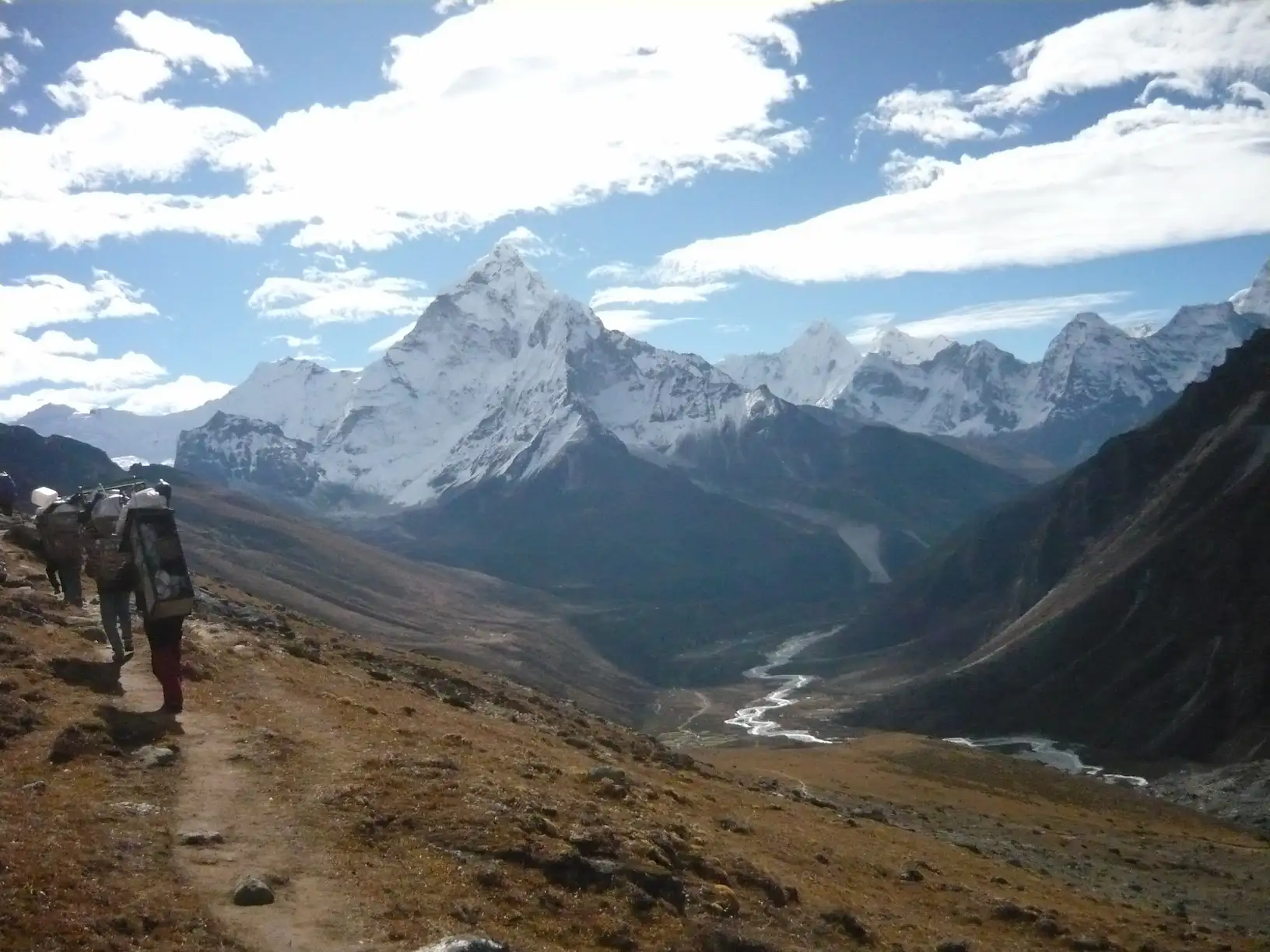
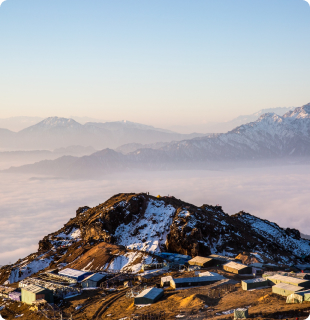
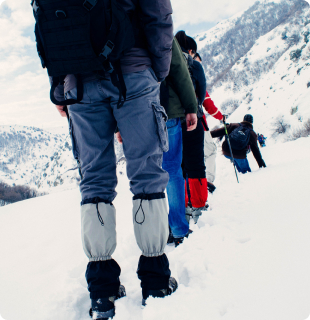
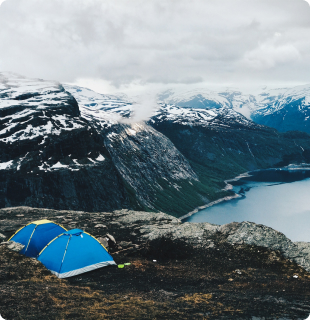
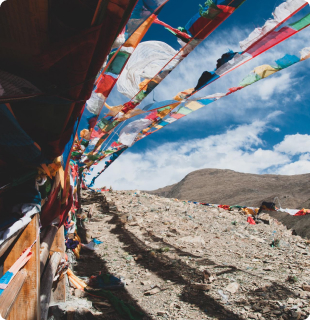
Trip Gallery
Trek Essentials
Packing for Tibet means preparing for cold nights, intense UV radiation, and dramatic temperature swings between day and night. Even in summer, evenings in Lhasa and on the plateau can be cold.
- Warm base layers (merino wool or synthetic thermal — no cotton)
- Fleece mid-layer and a down jacket for evenings and high passes
- Windproof and light waterproof outer layer
- Comfortable walking trousers (avoid jeans — cold and heavy when damp)
- Warm hat, gloves, and buff for high-altitude day trips
- Modest clothing for monastery visits (covered shoulders and knees)
- Comfortable broken-in walking shoes or light hiking boots
- Personal prescription medications in original packaging
- Diamox (acetazolamide) — discuss with your doctor before travel
- Ibuprofen or paracetamol for altitude headaches
- Lip balm SPF 30+ (lips crack badly at altitude)
- Sunscreen SPF 50+ (UV at 3,650m is severe — even on cloudy days)
- Quality UV-blocking sunglasses (essential, not optional)
- Reusable water bottle — aim to drink 3–4 litres per day in the first few days
- Passport (valid at least 6 months beyond travel)
- China tourist visa
- Tibet Travel Permit (your operator provides this)
- Travel insurance documents with emergency contact numbers
- Emergency cash in USD — ATMs in Lhasa accept foreign cards but can be unreliable
- Daypack (20–25 litres) for monastery visits and day trips
- Camera with extra batteries (cold drains batteries fast at altitude)
- Portable power bank
- Earplugs (Lhasa’s old quarter can be lively at night)
Final Thoughts:
Tibet does something to people. It is hard to explain until you have been there, but almost everyone who visits Lhasa comes home changed in some quiet way. Maybe it is the altitude — the thin air that slows you down and forces you to be present. Maybe it is the scale of the landscape. Maybe it is watching a pilgrim prostrate across the Barkhor stones for the thousandth time that day and understanding that something genuinely beyond ordinary life is happening here.
The Lhasa Tour is not an easy destination to reach. The permits, the planning, the altitude — all of it asks something of you before you even arrive. But that effort is part of what makes it meaningful. Places that are hard to get to tend to give back more than places that are easy.
Spend your 9 days slowly. Sit in Jokhang at dawn. Walk the Ganden Kora at your own pace. Watch the sunset turn the Potala gold from the park below. Drink your butter tea even if it tastes strange at first.
The roof of the world is waiting.
Your Adventure to Annapurna Base Camp Trek Starts Here
Start your journey with trusted local experts and discover the beauty, culture, and adventure waiting in the Himalayas and beyond.
Frequently Asked Questions
Everything you need to know about the AASRA ECO TREK
Yes. All foreign visitors to Tibet require a Tibet Travel Permit (TTP) in addition to a standard Chinese tourist visa. The TTP cannot be arranged independently; it must be organised through a licensed Tibetan tour operator. Processing takes 7 to 15 working days. Your operator handles this as part of your package.
It can be. Lhasa sits at 3,656m, and most people arriving from sea level feel some effects in the first 24 to 48 hours. Headaches, fatigue, mild breathlessness, and poor sleep are all common. The itinerary is designed with acclimatization built in. Stay hydrated, rest on Day 1, avoid alcohol for the first few days, and tell your guide immediately if symptoms worsen. Diamox (acetazolamide) can help you consult your doctor before travel.
No. Tibet requires all foreign tourists to be accompanied by a licensed guide at all times when outside the hotel. Independent travel in Tibet is not permitted for foreign nationals. This rule is strictly enforced at checkpoints throughout the region.
April, May, September, and October offer the best combination of weather, visibility, and manageable crowds. August is excellent for festivals, including the Shoton Festival. Winter is cold but beautiful and uncrowded. Avoid booking around March if possible, as Tibet sometimes restricts access during that period.
Tibet uses the Chinese Renminbi (RMB/Yuan). ATMs in Lhasa accept foreign Visa and Mastercard but can be unreliable, so carry sufficient cash from outside Tibet. USD can be exchanged at Lhasa banks. WeChat Pay and Alipay are widely used by locals but require a Chinese bank account to set up.
Yes. Tibetan cuisine has strong vegetarian traditions rooted in Buddhist practice. Momos (dumplings), thukpa (noodle soup), tsampa, and vegetable curries are widely available. Your guide can communicate dietary requirements to restaurants. Vegan options are also generally available, though butter tea (made with yak butter) is everywhere and worth trying at least once.
General good health and basic fitness are sufficient for most of this tour. The main physical challenge is altitude, not terrain. The longest walking day is Ganden Monastery with the kora circuit at 5–6 km. If you can walk for 3 to 4 hours at a slow pace, you can manage this tour comfortably. Consult your doctor before travel if you have heart, lung, or blood pressure conditions.
Absolutely. The most popular extensions from Lhasa are the Lhasa to Kathmandu overland route (via Shigatse, Gyantse, and Everest Base Camp), the Namtso Lake day trip, and the Shigatse extension to visit Tashilhunpo Monastery. Additional permits are required for most areas outside Lhasa. Ask your operator about combining the Lhasa Tour with a Nepal leg for a fuller Himalayan journey.
Tibet periodically restricts tourist access, particularly around March and politically sensitive anniversaries. Reputable operators monitor this closely and will inform you as early as possible if restrictions affect your booking. Most operators offer full refunds or date changes in the event of government-imposed closures. Confirm this policy with your operator before paying your deposit.