 Plan Your Trip
Mardi Himal Trek — 11 Days
Trip Overview

Trek Region
Annapurna

Difficulty Level
Moderate

City Accommodation
3 Nights at 3-Star Hotel

Trek Starts at
Kande (1,770 m)

Transport
Drive
Mountain Accommodation
6 Nights Teahouse

Trek Ends at
Siding Village (1,100 m) Transport: Drive

Total Trip Duration
11 Days

Max Elevation
4,500 m

Trekking Duration
6 Days on Trail

Meals
B/L/D (Mountain only)
Trip Highlights
- Reach Mardi Himal High Camp at 4,500 m and stand closer to the base of Machhapuchhre (Fishtail) than almost any other trekking route in Nepal
- Experience one of Nepal’s best kept trekking secrets — a trail that opened to independent trekkers only in 2012 and still feels wonderfully off the beaten path
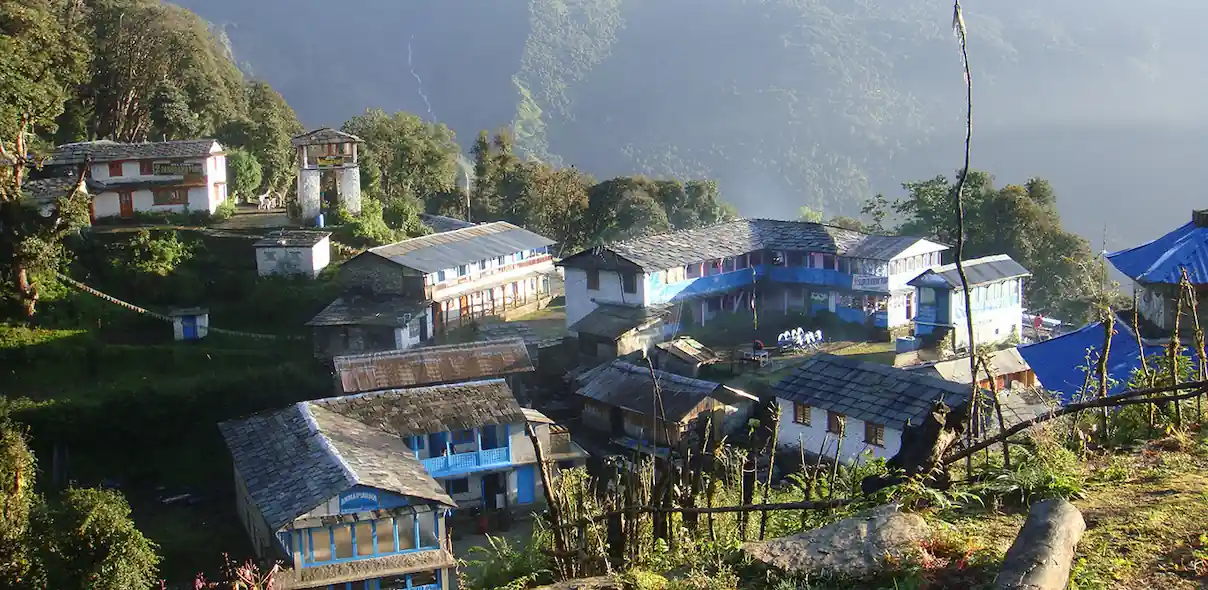
- Walk through a stunning sequence of ecological zones — subtropical forest, rhododendron forest, alpine meadows, and high rocky ridgelines — all within a few days
- Enjoy some of the closest and most dramatic views of Machhapuchhre (6,993 m), Annapurna South (7,219 m), Hiunchuli (6,441 m), and Mardi Himal (5,587 m) anywhere in the region
- Trek along a high ridge trail above the clouds with a near-constant panorama of the Annapurna range stretching out on all sides
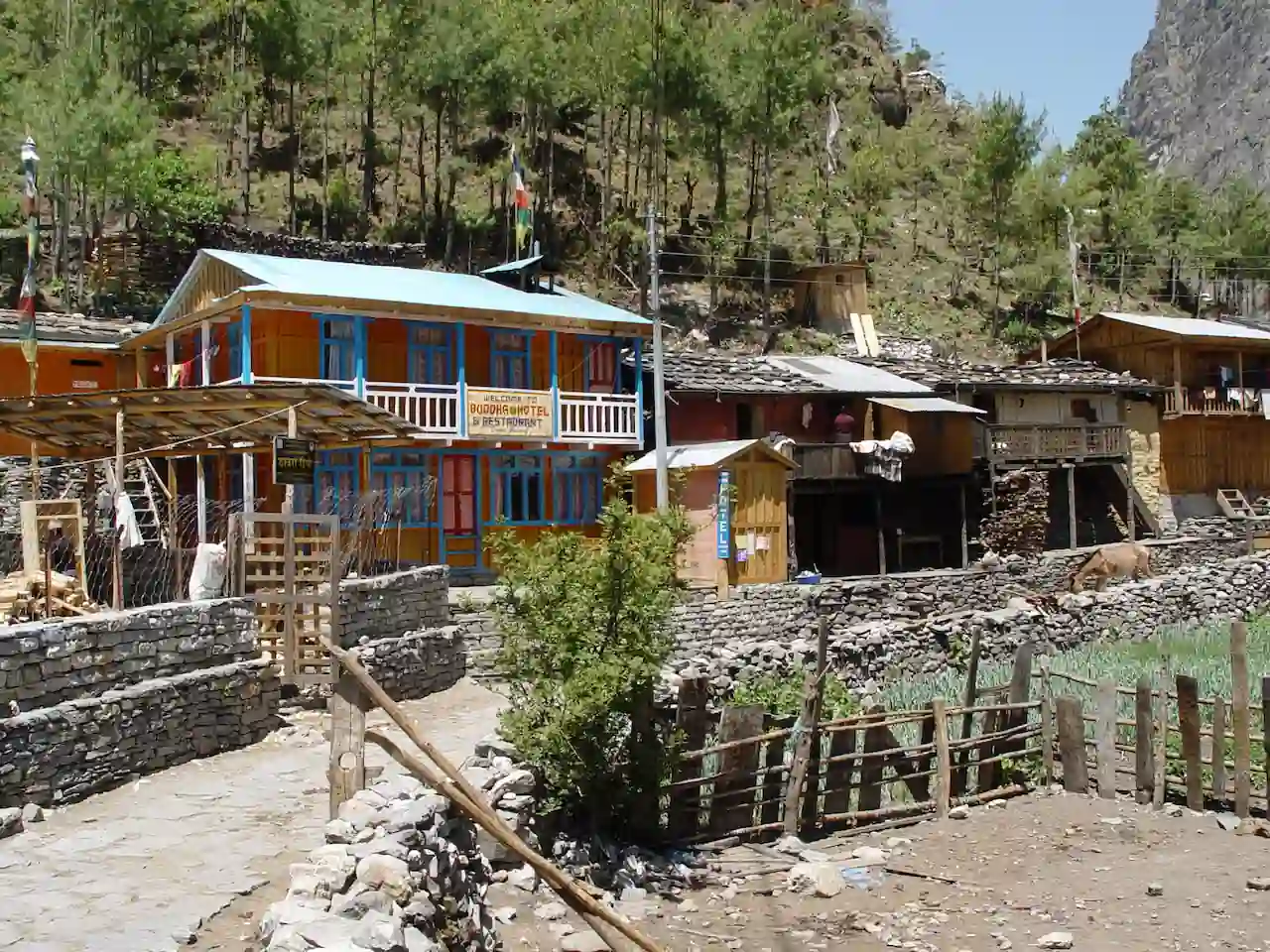
- Stay in small, family-run teahouses where the warmth and simplicity of mountain hospitality is still very much intact
- Visit the sacred Mardi Himal Base Camp area, tucked right beneath the towering walls of Machhapuchhre
- Explore Pokhara before and after the trek, with sightseeing around Phewa Lake, the mountain museum, and the famous Lakeside district
- Experience the beautiful and rarely visited Siding Village, a traditional Gurung settlement at the end of the trail
- Spend two full days in Kathmandu exploring UNESCO World Heritage Sites with a licensed guide
Trip Summary
The Mardi Himal Trek is one of the most exciting trekking routes in the entire Annapurna region, and it remains one of the least crowded. While routes like Ghorepani Poonhill and the Annapurna Base Camp trek draw thousands of visitors every season, the Mardi Himal trail is quieter, wilder, and in many ways more rewarding for the trekker who wants something that feels genuinely adventurous rather than well-worn.
The trek follows a long, dramatic ridge that rises northeast from Pokhara straight toward the southern face of Machhapuchhre, the sacred, never-climbed Fishtail Peak that is arguably the most beautiful mountain in Nepal. As you climb higher along this ridge, the views expand in every direction and the sense of being truly immersed in the Himalayas grows stronger with every step.
Your 11-day journey begins in Kathmandu, where a day of guided sightseeing introduces you to Nepal’s extraordinary cultural heritage before you fly or drive to Pokhara. From Pokhara, a short drive brings you to Kande, where your feet hit the trail for the first time. The early days take you through beautiful forest, first subtropical, then rhododendron, then oak and bamboo, before the trail breaks out above the treeline onto the open ridge.
The upper section of the Mardi Himal trek, from Forest Camp through Low Camp, High Camp, and up toward the base camp viewpoint, is where the trek really comes alive. The ridge narrows, the air thins, the mountains crowd in from all sides, and the feeling of altitude and exposure gives the whole experience a raw, genuine edge that is hard to find on more popular routes.
Coming back down through the beautiful traditional village of Siding is a gentle and culturally rich way to end the trek before returning to Pokhara for a rest day. This is a trek that rewards trekkers who are willing to go a little further off the main trail, and the views from High Camp on a clear morning are among the finest in all of Nepal.
When To Visit
Spring (March–May) and autumn (October–November) are the ideal windows for the Mardi Himal Trek. Spring is particularly magical on this route because the rhododendron forests that line the lower and middle sections of the trail burst into full bloom from late February through April. Walking through these forests when the flowers are out — deep red, bright pink, and white — is one of the finest experiences this trek has to offer.
The views from High Camp are at their best in spring and autumn when the air is clear and the mountains are free from cloud. In spring, some snow may still be present on the upper ridge sections above 3,500 m, which adds a beautiful quality to the landscape but requires good waterproof footwear. In autumn, the air after the monsoon is exceptionally clear and the colors of the forest as the season shifts toward winter add a warm, golden quality to the trail.
The Mardi Himal ridge sits at a higher elevation than many other popular treks in the Annapurna region, which means it can be cold and exposed even in the best seasons. Nights at High Camp (4,500 m) can drop well below freezing even in October and April, so a good quality sleeping bag and warm layers are not optional — they are essential.
Winter (December–February) is possible for the lower sections of the trail but the upper ridge and High Camp can be snowbound and potentially dangerous without proper cold-weather gear and experience. The monsoon months (June–August) bring heavy rain and thick fog to the ridge, which significantly reduces the views that are the main reason most people choose this trek.
Itinerary
Our team member will be at Tribhuvan International Airport waiting for you as you come through arrivals. After a smooth transfer to your hotel in Thamel, you will have a welcome briefing covering the full itinerary, gear requirements, permit arrangements, and any questions you have about the trek ahead. The rest of the evening is yours to explore Thamel, pick up any last-minute gear from the many well-stocked trekking shops, or simply rest and recover from your journey.
A full day of guided sightseeing takes you through four of Kathmandu’s most extraordinary UNESCO World Heritage Sites. You will visit Pashupatinath Temple on the banks of the holy Bagmati River, the magnificent Boudhanath Stupa surrounded by Tibetan Buddhist monasteries and prayer flags, the ancient hilltop complex of Swayambhunath with its iconic all-seeing eyes painted on the central tower, and the Kathmandu Durbar Square with its medieval palaces, temples, and courtyards. In the evening, the group gathers for a team dinner and the final pre-trek briefing.
After breakfast, you travel to Pokhara by a 30-minute flight or a scenic 6–7 hour drive through the hills and river valleys of central Nepal. Pokhara is Nepal’s adventure capital, sitting at the edge of Phewa Lake with the entire Annapurna range as its backdrop. After checking into your lakeside hotel, you enjoy a half-day guided sightseeing tour covering Davis Falls, Gupteshwor Cave, the Bindhyabasini Temple, the International Mountain Museum, and a relaxing boat ride on Phewa Lake with Machhapuchhre reflected in the water in front of you.
- Accommodation: 3-Star Hotel
- Meals: Breakfast
An early morning drive from Pokhara takes you up through the hills to Kande, the official starting point of the Mardi Himal Trek. The trail begins with a well-maintained stone staircase climbing through a mix of farmland and forest before entering the lower reaches of the Australian Camp area. From here the trail narrows and enters the forest proper, climbing steadily through subtropical trees and bamboo groves. By early afternoon you reach Forest Camp, a small cluster of teahouses nestled in the trees with the first hints of mountain views beginning to appear through the canopy above.
- Walking time: 4–5 hours
- Accommodation: Teahouse
- Meals: Breakfast, Lunch, Dinner
Today the trail continues climbing through increasingly dense and beautiful rhododendron forest. In spring, this section of the trek is absolutely spectacular the trees on either side of the trail are covered in enormous blooms of red, pink, and white, and the forest floor is carpeted in fallen petals. The walking today is steady and moderate, gaining around 500 metres of altitude through the forest before the trees begin to thin and the first proper mountain views start to open up. Low Camp sits at the edge of the treeline with the ridge stretching ahead and the Annapurna range coming properly into view for the first time.
- Walking time: 4–5 hours
- Accommodation: Teahouse
- Meals: Breakfast, Lunch, Dinner
This is the biggest day of the trek in terms of altitude gain and it is the day the whole route has been building toward. From Low Camp, the trail breaks out of the forest entirely and climbs along the open, exposed ridge toward High Camp. The views on either side of the ridge expand dramatically with every step. The Annapurna range stretches out to the west and northwest, and the enormous, perfectly formed peak of Machhapuchhre fills more and more of the sky directly ahead. The trail is steep in places and the altitude makes itself felt in your breathing, but High Camp itself is one of the finest viewpoints on any trekking route in Nepal. On a clear evening, the sunset on Machhapuchhre from High Camp is something genuinely difficult to put into words.
- Walking time: 5–6 hours
- Accommodation: Teahouse
- Meals: Breakfast, Lunch, Dinner
You rise before dawn and make the final push up the ridge toward the Mardi Himal Base Camp viewpoint in the early morning light. This is the closest you will get to the sheer southern face of Machhapuchhre, and the scale of what you are looking at is almost hard to process. Mardi Himal (5,587 m) is directly above you and the entire Annapurna massif stretches out in a breathtaking arc from Annapurna I all the way around to Annapurna South and Hiunchuli. After taking in every possible angle of this view, you begin the long descent back down the ridge, passing back through High Camp and continuing all the way down to Low Camp for the night.
- Walking time: 6–7 hours
- Accommodation: Teahouse
- Meals: Breakfast, Lunch, Dinner
Today’s walk is a long but beautiful descent all the way from Low Camp down through the forest and out into the warm lowlands. The trail drops from the rhododendron forest into subtropical jungle, then through terraced farmland and small settlements, and finally into the traditional Gurung village of Siding. Siding is a beautiful, rarely visited village that sees only a fraction of the trekking traffic that passes through the more popular Annapurna trails. The warmth and curiosity of the local community here is genuine and touching, and arriving in Siding after days on the high ridge feels like stepping back into a different, gentler world.
- Walking time: 6–7 hours
- Accommodation: Teahouse
- Meals: Breakfast, Lunch, Dinner
A jeep or local vehicle picks you up from Siding in the morning for the drive back to Pokhara. The drive winds through hills and villages and takes around 2–3 hours depending on road conditions. Back in Pokhara, you check into your lakeside hotel and have a full, gloriously unstructured afternoon to do whatever you want: a lakeside massage, a walk along the Lakeside promenade, a paddle boat on Phewa Lake, or simply sitting with a coffee and looking at the mountains you have just come down from. This rest day is genuinely well-earned.
- Accommodation: 3-Star Hotel
- Meals: Breakfast
After a leisurely breakfast in Pokhara, you travel back to Kathmandu by flight or drive. The afternoon in Kathmandu is free for any remaining shopping in Thamel pashminas, hand-carved wooden items, thanka paintings, singing bowls, and trekking gear are all popular picks. In the evening, your guide joins the group for a farewell dinner at one of Kathmandu’s best local restaurants. It is a wonderful way to close out the adventure and reflect on everything the last eleven days have given you.
- Accommodation: 3-Star Hotel
- Meals: Breakfast
Your Mardi Himal Trek comes to a close this morning. After a final breakfast at the hotel, our team transfers you to Tribhuvan International Airport with plenty of time before your departure flight. We recommend scheduling your international flight for mid-morning or later to allow a relaxed and unhurried final morning. You leave Nepal carrying memories of a route that most visitors never find a quieter, wilder, more personal version of the Himalayas that stays with you in a very particular way.
Trek Difficulty & Physical Demands
The Mardi Himal Trek is rated Moderate, but it sits at the higher end of that category. The maximum altitude of 4,500 m at High Camp is meaningfully higher than most other moderate routes in the Annapurna region, and the ridge terrain above the treeline is exposed and steep in places. This is not a trek to take lightly, but it is absolutely achievable for anyone who comes in prepared and fit.
The trail progresses through four distinct ecological zones across the first three trekking days subtropical forest, rhododendron forest, alpine meadow, and open rocky ridgeline. Each transition brings a change in terrain and a jump in elevation. By the time you reach High Camp on Day 6, you will have gained over 2,700 metres from the starting point at Kande.
The hardest physical day is Day 7, when you make the pre-dawn push to the base camp viewpoint and then descend all the way back down to Low Camp in a single day. The descent from High Camp is long and steep, and your knees will know about it by the time you reach the teahouse. Trekking poles are strongly recommended for exactly this section.
At 4,500 m, the effects of altitude are noticeable. Your breathing will work harder, your pace will naturally slow, and your appetite may dip on the first night at High Camp. These are normal responses and the itinerary is paced to allow gradual adjustment. Your guide is trained in altitude sickness recognition and carries supplemental oxygen for emergencies.
How to prepare:
- Build cardiovascular fitness over 6 to 8 weeks before the trek through walking, jogging, or cycling
- Train specifically on hills and stairs — both uphill and downhill
- A sleeping bag rated to -15°C is non-negotiable for High Camp nights
- Break in your trekking boots completely before arriving in Nepal
- Talk to your doctor about Diamox (altitude sickness medication) before departure
Come prepared and this trek gives you some of the finest mountain views available anywhere in the Annapurna region, in an atmosphere that still feels personal and uncrowded.
Best Time to Trek: Seasonal Comparison
The Mardi Himal trail covers a wide range of elevations from the warm subtropical foothills at Kande all the way up to the high exposed ridge at 4,500 m, which means seasonal conditions vary significantly depending on where you are on the trail.
Spring (March to May) — Best for Forest Beauty and Views
This is the most visually spectacular season on the Mardi Himal route. The rhododendron forests between Forest Camp and Low Camp are in full bloom from late February through April, and the combination of flower-lined trail and high mountain views is genuinely extraordinary. March and April offer the best balance of clear skies, manageable temperatures, and stunning scenery. Snow on the upper ridge above 3,500 m is possible in March but adds to the beauty rather than blocking the route. By May, cloud and pre-monsoon showers begin to build, but the trail is still very walkable.
Autumn (October to November) — Best for Clarity and Stability
Post-monsoon air brings the sharpest mountain visibility of the year. The Annapurna range and Machhapuchhre look impossibly clear from the High Camp ridge in October and November, and the stable weather makes for long, comfortable walking days. The forest takes on a warm golden quality as the season shifts toward winter. October is widely considered the best single month for trekking anywhere in Nepal, and Mardi Himal in October is a very strong argument for that claim.
Winter (December to February) — High Camp Becomes Serious
The lower forest sections of the trail are walkable in winter, and the trails are extremely quiet. However, the upper ridge and High Camp can accumulate deep snow in January and February, and conditions at 4,500 m in winter are genuinely serious. If you are experienced with cold-weather mountain conditions and properly equipped, winter trekking on the lower sections of this route can be beautiful. High Camp in winter is not recommended without specialist experience and gear.
Monsoon (June to August) — Heavy Cloud Defeats the Purpose
The main reason most trekkers choose the Mardi Himal route is the views from the high ridge. The monsoon months bring persistent cloud, rain, and thick fog to the upper sections, which removes the primary reward of the trek. The lower forest sections are lush and dramatically green in the monsoon, but the trail can be slippery and leeches are present in the undergrowth. September is transitional improving skies and trails that are still richly green from the rains.
Booking Your Mardi Himal Trek — 11 Days
Booking the Mardi Himal Trek is straightforward and our team takes care of everything from the moment you confirm your dates.
How to book:
Reach out via the enquiry form on our website or send us a WhatsApp message. Once we confirm availability, we will send a booking form and payment details. A deposit secures your spot and the balance is due before the trek begins.
After booking:
You will receive a full pre-departure information pack with the gear list, visa guidance, altitude awareness tips, health recommendations, and a day-by-day breakdown of what to expect. Our team is available to answer questions right up to your arrival in Kathmandu.
Permits:
Both the Annapurna Conservation Area Permit (ACAP) and the TIMS card are included and arranged by us before you leave Kathmandu. Bring four passport-sized photos for the permit process — these are required at the checkpoints on the trail.
Travel insurance:
Travel and medical insurance that includes emergency evacuation cover is mandatory for this trek. The Mardi Himal route reaches 4,500 m and helicopter evacuations, while rare, do happen. Make sure your policy covers altitude trekking and arrange it before leaving your home country.
Combination options:
The Mardi Himal Trek pairs particularly well with the Ghorepani Poon Hill route. Many trekkers do one as a standalone trip and return for the other, but they can also be linked into a single extended itinerary if your schedule allows. Let us know what you have in mind and we will put together a combined itinerary and quote.
Cost Details
Cost Includes
- All airport transfers in Kathmandu and Pokhara
- 2 nights at a 3-star hotel in Kathmandu (BB)
- 1 night at a 3-star hotel in Pokhara before trek (BB)
- 1 night at a 3-star hotel in Pokhara after trek (BB)
- Kathmandu guided sightseeing with private vehicle
- Pokhara guided sightseeing with private vehicle
- Drive from Pokhara to Kande (trek start)
- Drive from Siding Village back to Pokhara (trek end)
- All meals on the trail (breakfast, lunch, and dinner)
- Teahouse accommodation during the trek (6 nights)
- Licensed, experienced English-speaking trekking guide
- Porter service (1 porter per 2 trekkers)
- Annapurna Conservation Area Permit (ACAP)
- TIMS card (Trekkers’ Information Management System)
- First aid kit and emergency oxygen
- All government and local taxes
- Company service charge
Cost Excludes
- International airfare to and from Kathmandu
- Nepal visa fee (approx. USD 30–50 depending on duration)
- Travel and medical insurance (mandatory)
- Lunch and dinner in Kathmandu and Pokhara
- Personal trekking gear and equipment
- Hot showers, battery charging, and WiFi on the trail (small extra fee at most teahouses)
- Tips and gratuities for guide and porter
- Personal expenses (snacks, drinks, souvenirs)
- Emergency evacuation or helicopter rescue costs
- Any costs arising from delays due to weather, strikes, or road conditions
Trip Gallery
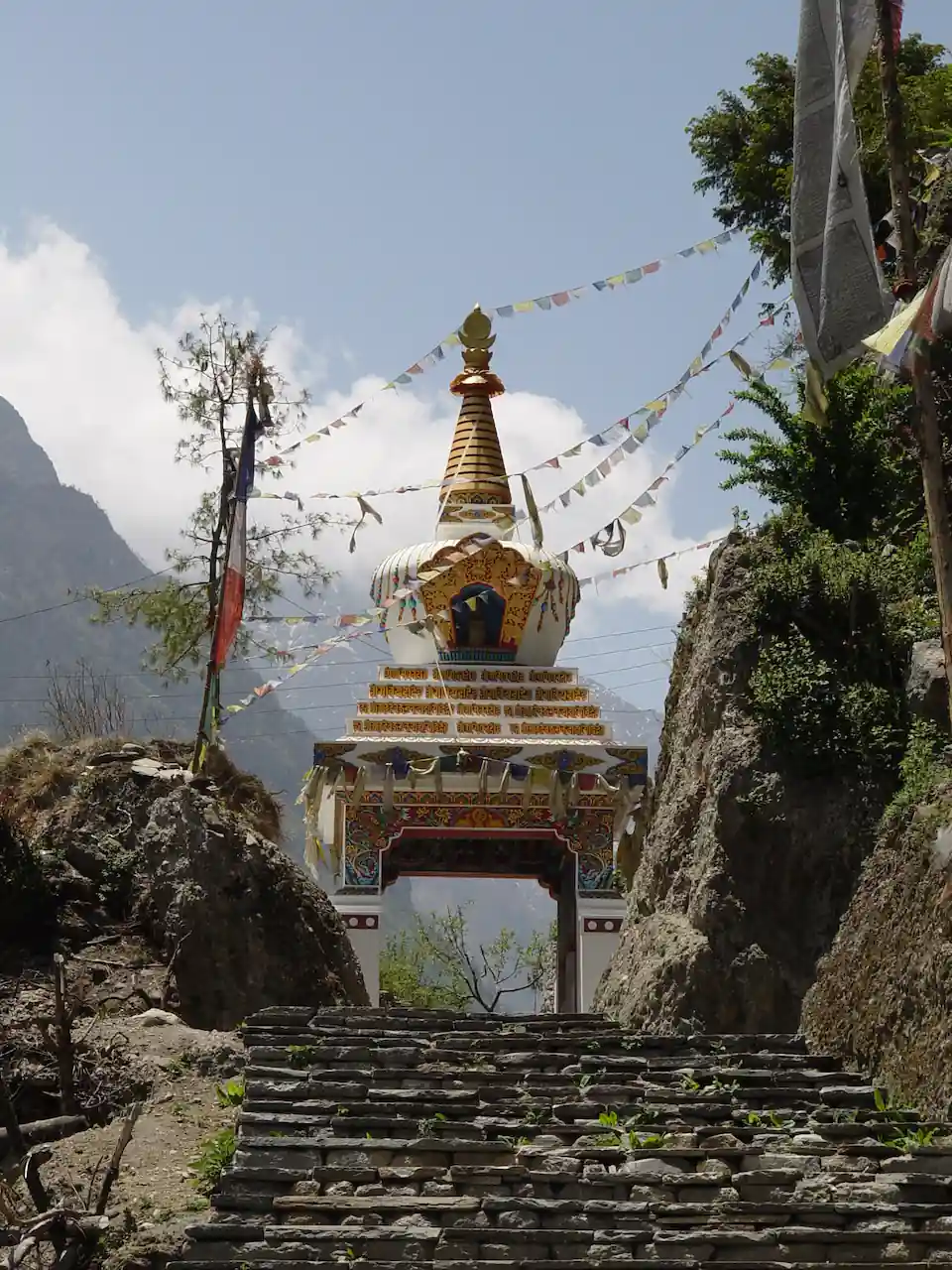
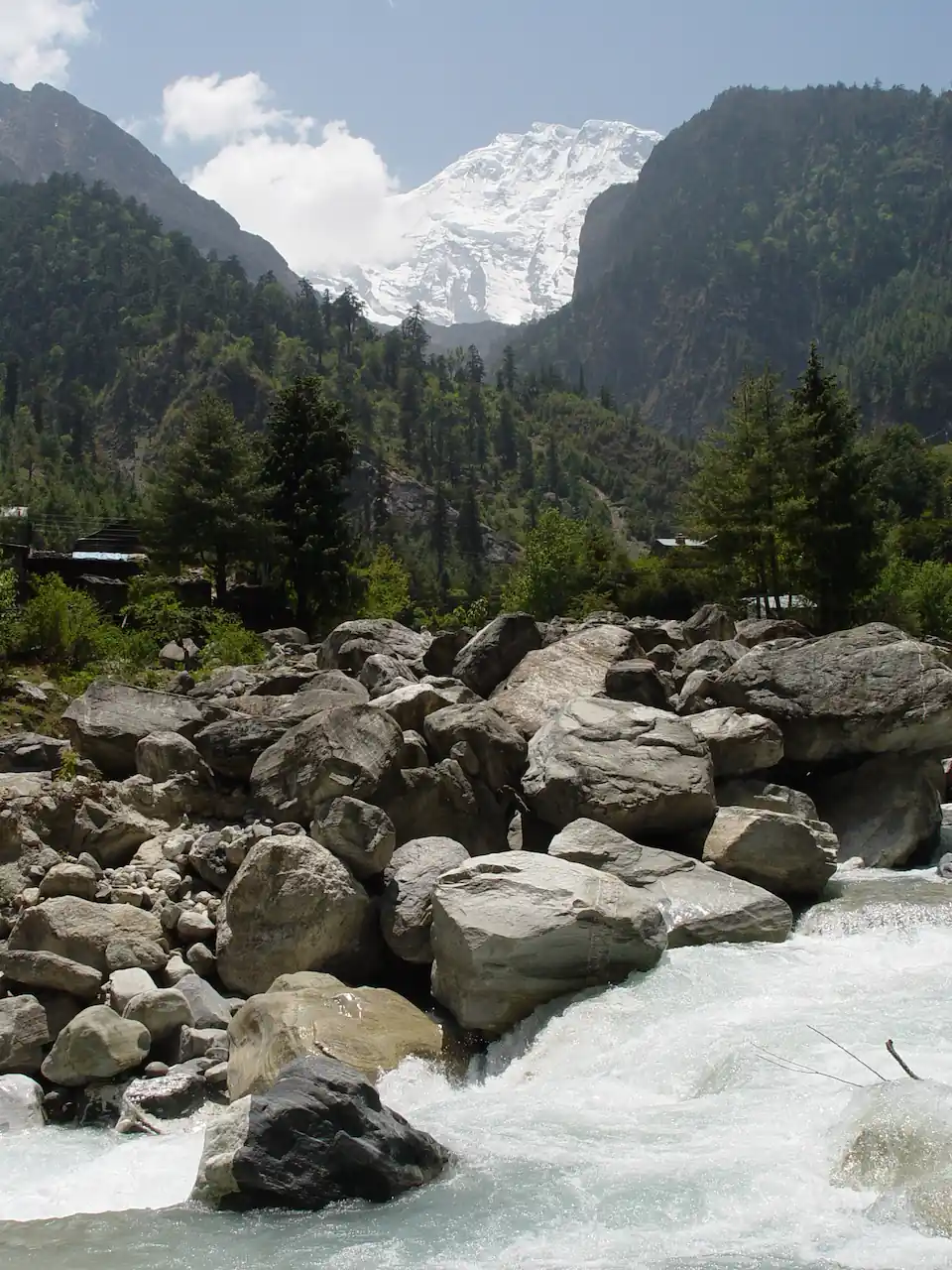
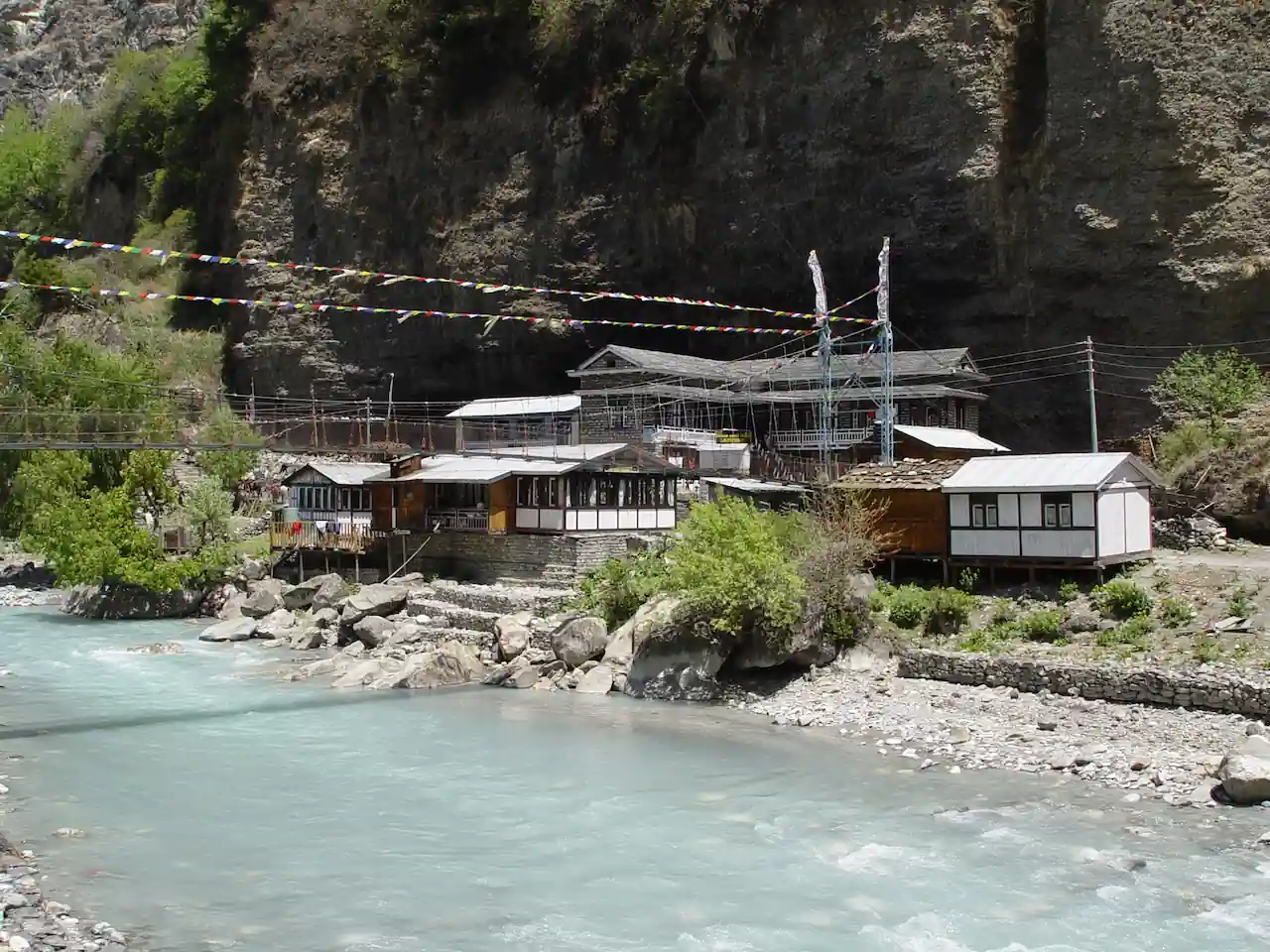
Trek Essentials
Gear tip: A sleeping bag rated to -15°C is non-negotiable for this trek. High Camp nights are seriously cold even in the best months, and no amount of extra clothing compensates for an inadequate sleeping bag at 4,500 m. This is the one piece of gear where cutting corners will cost you a miserable night. Trekking poles are equally important the descent from High Camp to Low Camp on Day 7 is long, steep, and very hard on the knees without them.
- Moisture-wicking base layer (top and bottom)
- Warm fleece or down mid-layer
- Windproof and waterproof outer jacket
- Trekking pants (x2)
- Warm hat and insulated gloves
- Thermal underwear (essential for High Camp nights)
- Sun hat or cap for lower trail sections
- Light comfortable clothes for teahouse evenings
- Waterproof, well broken-in trekking boots
- Camp sandals or flip-flops for teahouse evenings
- Wool or synthetic trekking socks (x4 pairs)
- Gaiters (recommended for the upper ridge in spring and winter)
- 40–50L trekking backpack
- Trekking poles (strongly recommended for the steep descent from High Camp)
- Sleeping bag rated to -15°C (High Camp nights can be extremely cold)
- Headlamp with spare batteries
- Quality sunglasses with strong UV protection
- Water bottles (x2) or hydration bladder
- Water purification tablets or portable filter
- Daypack rain cover
- High-SPF sunscreen (50+ recommended)
- Lip balm with SPF
- Personal first aid kit
- Altitude sickness medication — Diamox (consult your doctor before the trek)
- Insect repellent (for lower forest sections)
- Hand sanitiser
- Wet wipes
- All personal medications and prescriptions
- Valid passport (minimum 6-month validity beyond travel dates)
- Nepal visa
- Travel and medical insurance documents
- USD cash for personal expenses (no ATMs on the trail)
- Passport-sized photos (x4, required for permits)
- Emergency contact list
Final Thoughts:
The Mardi Himal Trek is the kind of route that trekking enthusiasts talk about in hushed, slightly protective tones. It is not a secret exactly, but it has not yet been found by the crowds, and that makes all the difference to the experience.
On the popular Annapurna trails, you share teahouses with dozens of other groups, walk behind long lines of trekkers on the most famous sections, and sometimes feel like you are moving through a well-organised outdoor conveyor belt. Mardi Himal is different. The teahouses are smaller and more personal. The trail is quieter. The ridge above the treeline feels genuinely wild. And the views from High Camp with Machhapuchhre filling the sky in front of you and the entire Annapurna massif spread out to the west are as good as anything you will find on any trekking route anywhere in Nepal.
This trek suits people who want more than a famous name on their list. It suits trekkers who are willing to push a little harder for something that feels earned. The 4,500 m High Camp is not handed to you it takes real effort to get there, especially on the ridge above Low Camp where the altitude begins to bite. But the reward is proportionate to the effort, and then some.
If you have already done the Ghorepani Poon Hill route and are ready for the next step, Mardi Himal is that step. If you are coming to Nepal for the first time and want something off the standard path from day one, this is your route.
We know this trail well. We have walked it in every season and guided trekkers of every level along it. We would love to show it to you.
Your Adventure to Annapurna Base Camp Trek Starts Here
Start your journey with trusted local experts and discover the beauty, culture, and adventure waiting in the Himalayas and beyond.
Frequently Asked Questions
Everything you need to know about the AASRA ECO TREK
The Mardi Himal Trek is rated moderate and is accessible to first-time trekkers who have a reasonable level of fitness and are comfortable with multi-day physical activity. The maximum altitude of 4,500 m at High Camp is higher than many introductory treks in Nepal, so some preparation in the weeks before departure is important. If you have previously done something like the Ghorepani Poonhill Trek and are looking for the next step up, Mardi Himal is a natural and very rewarding progression.
This is one of the big draws of the Mardi Himal route. Compared to the Annapurna Base Camp trek and the Ghorepani Poonhill trail, Mardi Himal sees significantly fewer trekkers. The route only opened for independent trekking in 2012 and has not yet reached the level of traffic that the more famous Annapurna trails carry. The teahouses are smaller and more family-run, the trail is quieter, and the overall experience feels more personal and less like a conveyor belt of trekking groups. If you want the Annapurna views without the Annapurna crowds, this is your route.
The highest point reached on this trek is Mardi Himal High Camp at approximately 4,500 metres (14,764 feet), with the morning hike to the base camp viewpoint pushing slightly above this. At this altitude, the effects of reduced oxygen are noticeable. You will feel your breathing work harder and your pace naturally slow. The itinerary is designed with a gradual ascent profile to give your body adequate time to adjust, and your guide will monitor the group closely for any signs of altitude sickness.
Altitude sickness is a possibility on any trek that goes above 3,000 metres, and Mardi Himal reaches 4,500 m at High Camp. Mild symptoms such as headache, fatigue, and reduced appetite are not uncommon at this elevation. The best prevention is to ascend gradually, drink plenty of water throughout each day, avoid alcohol during the first few days on the trail, and never push through serious symptoms. Your guide carries a first aid kit and supplemental oxygen, and is fully trained in altitude sickness recognition and response.
The teahouses on the Mardi Himal trail are smaller and more basic than those on the busier Annapurna routes, which for many trekkers is part of the appeal. Rooms are simple with twin beds and blankets, shared bathrooms are the norm, and the menus are straightforward but filling. Hot showers and battery charging are available at most stops for a small fee. The family-run nature of most teahouses on this route means the hospitality is warm and personal in a way that larger, more commercial lodges cannot always replicate.
High Camp sits at 4,500 metres and temperatures at night can drop to between -10°C and -20°C depending on the season. Even in the warmer months of October and April, the nights at this altitude are seriously cold. A sleeping bag rated to at least -15°C is strongly recommended, along with proper thermal base layers and an insulated jacket. The cold is very manageable with the right gear, and the reward of waking up at High Camp on a clear morning with Machhapuchhre directly in front of you makes every extra layer worth carrying.
The Mardi Himal ridge offers one of the most intimate and dramatic perspectives on the Annapurna range available on any trekking route in Nepal. Most treks in the Annapurna region show you the mountains from a distance. From Mardi Himal High Camp, you are standing on a narrow ridge with the mountains almost uncomfortably close. Machhapuchhre fills the sky directly ahead, Annapurna South looms to the west, and Mardi Himal towers above you to the north. There are very few places on any trekking route in the world where you feel this physically close to peaks of this scale.
Yes, and it combines particularly well with the Ghorepani Poonhill Trek. Many trekkers choose to do Ghorepani Poonhill first as an introductory trek and then return to Nepal for Mardi Himal as their second adventure. They can also be linked into a single extended itinerary if your schedule and fitness allow. Please let us know your interests and available time and we will design a combined itinerary that covers both routes in the most logical and enjoyable way.